
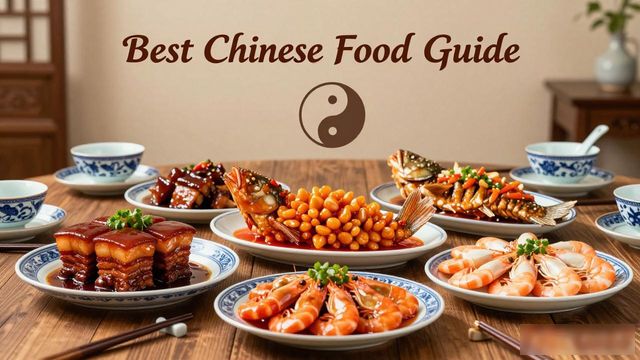
Chinese food is one of the most popular and diverse cuisines in the world. It is not just about fried rice or sweet and sour chicken. Chinese food reflects thousands of years of history, regional differences, and a deep respect for fresh ingredients and balance. Whether you are a first-time eater or a curious cook, understanding the basics of Chinese food can change the way you enjoy it.
What makes Chinese food different from other cuisines

The biggest difference lies in the way flavors and textures work together. Chinese cooking rarely relies on one single taste. Instead, it combines salty, sweet, sour, bitter, and umami in one dish. This is not accidental. It comes from the philosophy of balance, often called yin and yang in food. For example, a dish like mapo tofu uses spicy chili oil to create heat, but also includes fermented bean paste for depth and Sichuan peppercorns for a numbing sensation.
Another key feature is the use of fresh ingredients cooked quickly at high heat. Stir-frying is the most common technique, and it preserves the color, crunch, and nutrients of vegetables and meat. A good stir-fry takes only a few minutes, but the result is vibrant and flavorful. Many people think Chinese food is heavy or greasy, but a well-made stir-fry is actually light and clean. The secret is the wok,which distributes heat evenly and lets food cook fast without soaking up too much oil.
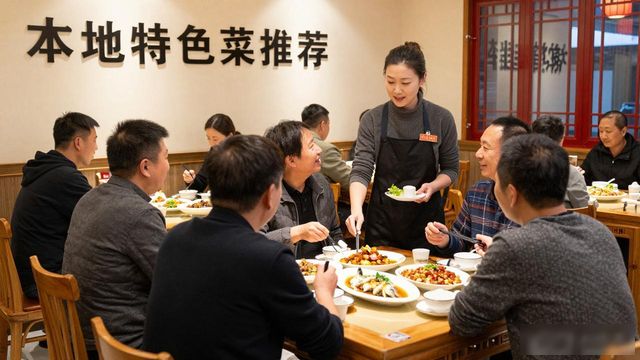
How to order Chinese food like a local
If you are new to Chinese food, the menu can feel overwhelming. But there is a simple way to start. Focus on dishes that represent different cooking methods. For example, try a steamed dish like steamed fish with ginger and scallions, a fried dish like spring rolls or wontons, and a braised dish like red-cooked pork. This gives you a range of textures and flavors without repeating the same style.
Another tip is to look for dishes that balance protein and vegetables. A common mistake is ordering too many meat-heavy dishes. Chinese meals are built around sharing, so a good table might have one meat dish, one vegetable dish, one soup, and rice. Rice is not a side dish; it is the neutral base that helps balance stronger flavors. If you want to eat like a local, pour a little vinegar or soy sauce into a small dish for dipping, but never pour it directly onto your rice.
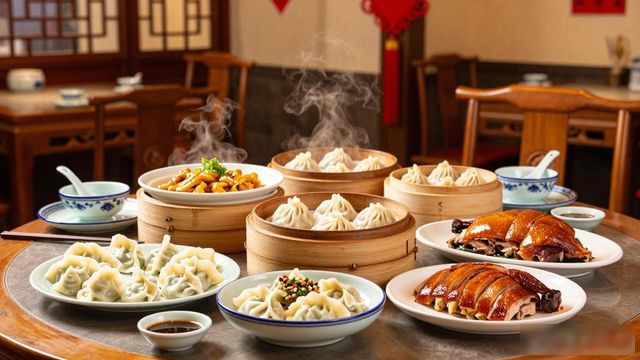
Chinese food is also very regional. Northern China prefers wheat-based foods like noodles and dumplings, while southern China favors rice and lighter broths. Western China, like Sichuan, is known for bold spice, and eastern China, like Shanghai, leans toward sweet and oily dishes. Knowing where a dish comes from helps you understand why it tastes the way it does.
The best part of Chinese food is that it is meant to be shared. Eating alone is fine, but the real experience comes from a table full of different plates, each offering something new. If you order carefully and keep an open mind, every meal becomes a small journey through China’s land and history.