
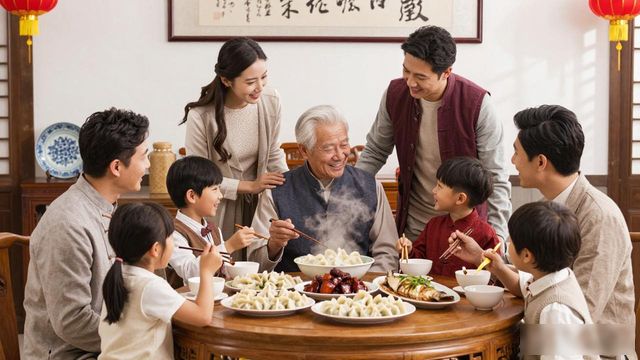
Chinese culture traditions are not just about ancient rituals or colorful festivals—they are a living system of values, behaviors, and beliefs that shape daily life for over a billion people today. For foreigners, understanding these traditions can feel overwhelming at first, but once you grasp a few core principles, everything starts to make sense. This article breaks down the most practical and accessible ways to approach Chinese culture traditions, whether you are traveling, doing business, or simply curious.
Why do family values matter so much in Chinese traditions

The family is the absolute center of Chinese culture traditions. Unlike many Western cultures that emphasize individualism, Chinese society has been built around the concept of filial piety for thousands of years. This means respect for elders is not just a polite gesture—it is a moral duty that influences decisions about career, marriage, and even daily routines. For example, during the Spring Festival, millions of people travel across the country to reunite with their parents and grandparents. This is not optional; it is expected. If you are doing business in China, understanding this family-first mindset helps you build stronger relationships. A simple question about someone’s parents or children can go much further than talking about work achievements.
Another important aspect is the role of ancestors. Many Chinese families maintain ancestral shrines at home and visit graves during the Qingming Festival. This practice is not religious in the way Westerners might think—it is about gratitude and remembering where you came from. If you are invited to a family gathering, showing respect for these traditions, even just by being quiet and observant, will earn you genuine appreciation.
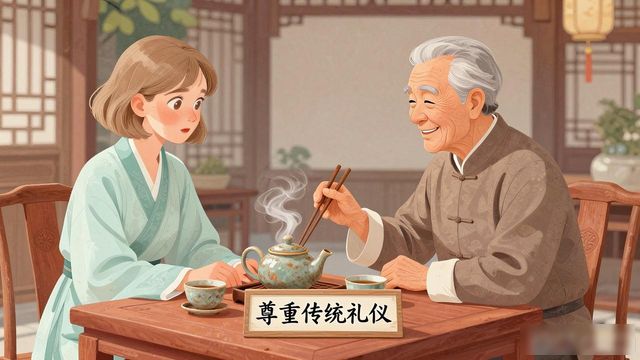
How can you experience Chinese traditions without being disrespectful
The best way to engage with Chinese culture traditions is to start with food, because it is the most accessible and least intimidating entry point. Chinese cuisine is deeply tied to traditional beliefs about balance and health. For instance, hot and cold foods are not just about temperature—they relate to the body’s internal energy,or qi. During summer, people eat bitter melon to cool down, and in winter, they eat lamb to warm up. When you are at a Chinese dinner table, do not be surprised if your host keeps putting food on your plate. This is a traditional gesture of hospitality and care. Refusing politely is fine, but accepting shows you understand the spirit of the tradition.
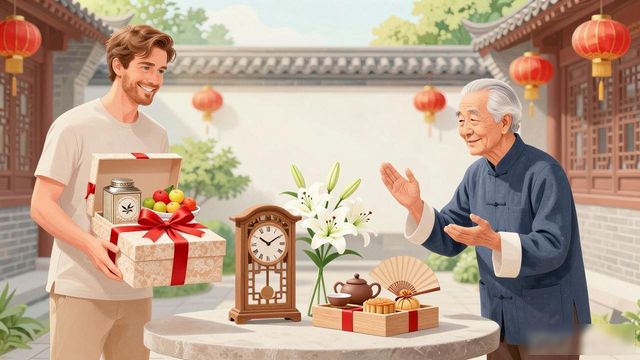
Another practical tip is to learn about gift-giving customs. In Chinese culture traditions, gifts are not just objects—they carry symbolic meaning. Never give clocks, white flowers, or anything in sets of four, because these are associated with death and bad luck. Instead, bring fruit, tea, or a small souvenir from your home country. Present the gift with both hands, and do not be surprised if the recipient does not open it right away. This is not rudeness—it is a traditional sign of modesty. If you follow these simple rules, you will quickly find that Chinese people are warm, patient, and happy to share their culture with you.
Chinese culture traditions are not a closed book that only experts can read. They are a practical guide for living a balanced life, honoring your roots, and treating others with respect. The more you observe and participate, the more you will realize that these traditions are not so different from the universal values we all share.