
When you think about China food experiences, you’re not just thinking about eating—you’re thinking about diving into a culture that has spent thousands of years perfecting the art of flavor. Every region, every street corner, and every family kitchen tells a different story through ingredients, techniques, and traditions. Let me walk you through what makes eating in China truly unforgettable.
What should I eat first in China
If you only have a short time in China, start with the dishes that define the country’s culinary soul. Peking duck in Beijing is a ritual: crispy skin, thin pancakes, sweet bean sauce, and cucumber slices. You wrap it yourself, bite into it, and suddenly understand why this dish has survived dynasties. In Shanghai, soup dumplings or xiaolongbao are a must. Pick one up carefully—burning your tongue on the hot broth is a beginner’s mistake I’ve made more than once. The trick is to bite a small hole, blow gently, then slurp.
Don’t skip the street food either. In Xi’an, the Muslim Quarter offers yangrou paomo, a lamb soup where you tear flatbread into pieces and let it soak up the rich broth. In Chengdu, a bowl of dan dan noodles hits you with numbing Sichuan pepper and savory minced pork. These aren’t tourist traps—they’re everyday meals that locals line up for. If you’re in Guangzhou,try dim sum in a crowded tea house. The carts roll by with shrimp dumplings, BBQ pork buns, and rice rolls. Just point and eat.
What are the best local food spots

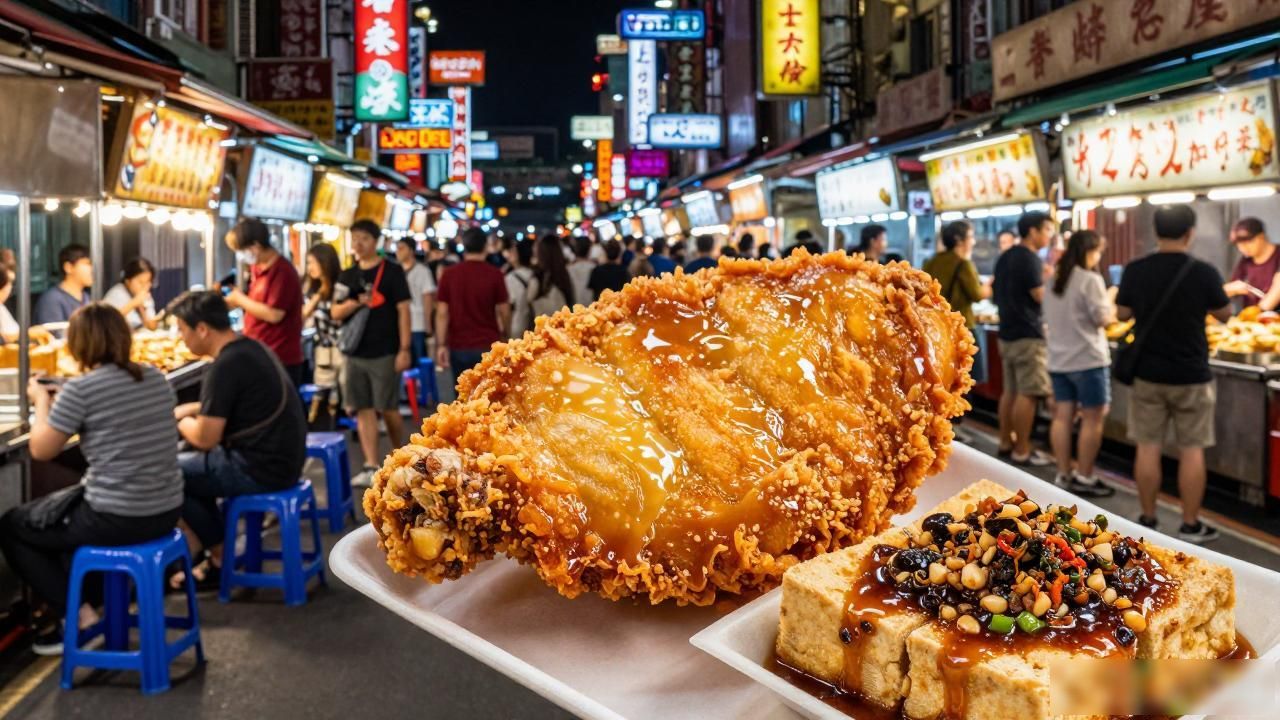
The best China food experiences often happen in places with no English menus and plastic stools. Night markets are your best friend. In Taipei, Shilin Night Market serves giant fried chicken cutlets and stinky tofu that smells worse than it tastes—but trust me, it tastes good. In Shanghai, the old lanes near Yuyuan Garden hide stalls selling shengjianbao, pan-fried buns with a crispy bottom and juicy filling. You eat them standing up, steam rising in your face.
Family-run noodle shops are another gem. Walk into any small shop in Lanzhou and you’ll find hand-pulled noodles served in beef broth with chili oil and fresh cilantro. The chef pulls the dough in front of you—it’s performance and meal in one. In Chongqing, hotpot is a social event. Choose your broth, grab skewers of meat and vegetables, and dip them into bubbling chili oil. The spiciness builds slowly, but the flavor keeps you coming back for more. Don’t be afraid of the heat; locals will tell you it cools you down in summer.
How to eat like a local
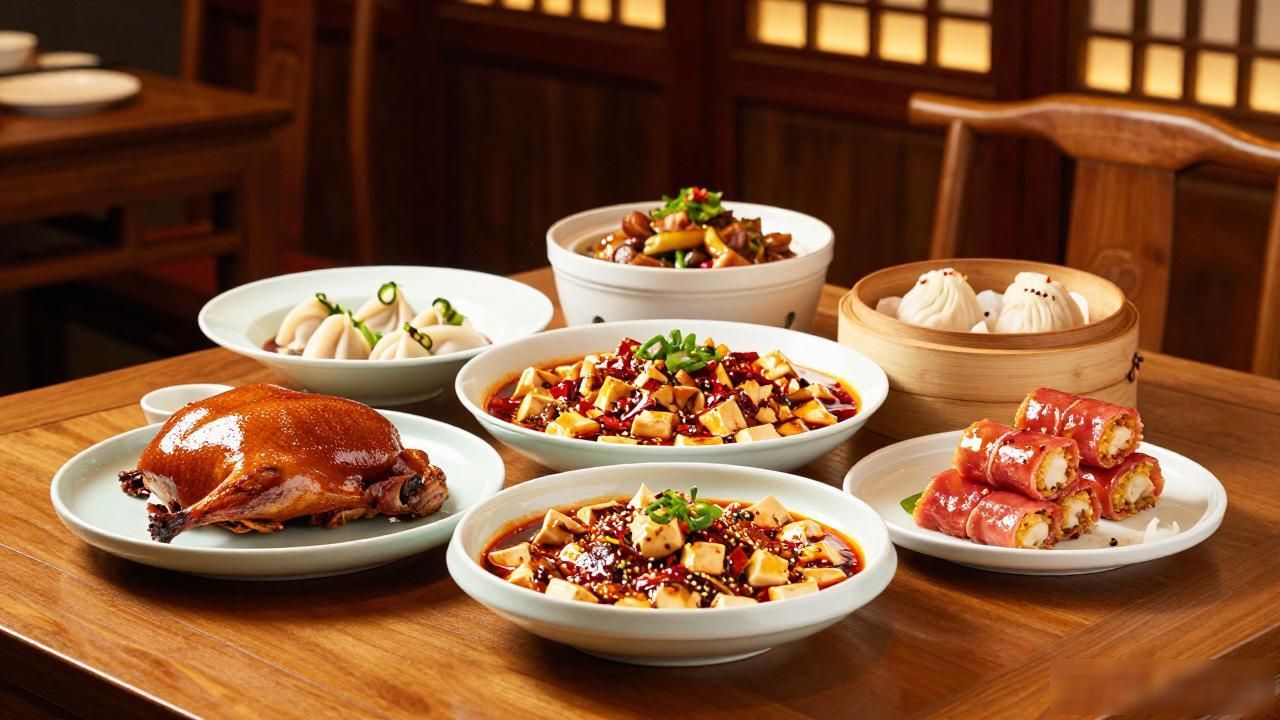
Eating like a local means embracing a few habits that might feel strange at first. Sharing dishes is standard—order several plates for the table, not just one for yourself. Use your chopsticks to pick from communal bowls, but use the serving spoon for soups or saucy dishes. Slurping noodles is a compliment, not rude. It shows you’re enjoying the food and helps cool it down. Rice comes at the end of the meal in many regions, not alongside the main dishes. And tea is often free, so drink it throughout.
Street food safety isn’t a mystery. Look for stalls with long lines of locals—that’s a sign of freshness. Avoid anything that’s been sitting out for hours. Drink bottled water, but eat the ice in shaved ice desserts from reputable shops. The key is to trust your instincts. If a place smells good and looks busy, it’s probably worth trying. The best meals I’ve had in China were from a cart on a random street corner, served by an old woman who didn’t speak English but smiled as I pointed at what I wanted.