
China’s night markets and food alleys are where the real culinary soul of the country lives. Not in fancy restaurants — in the steam of a griddle, the clatter of a wok, the smell of sesame oil drifting down a narrow lane in Chengdu or Xi’an. This piece cuts to the essentials: what to eat, where to find it, and whether it’s actually safe for a first-time visitor.
what street food in China should I try

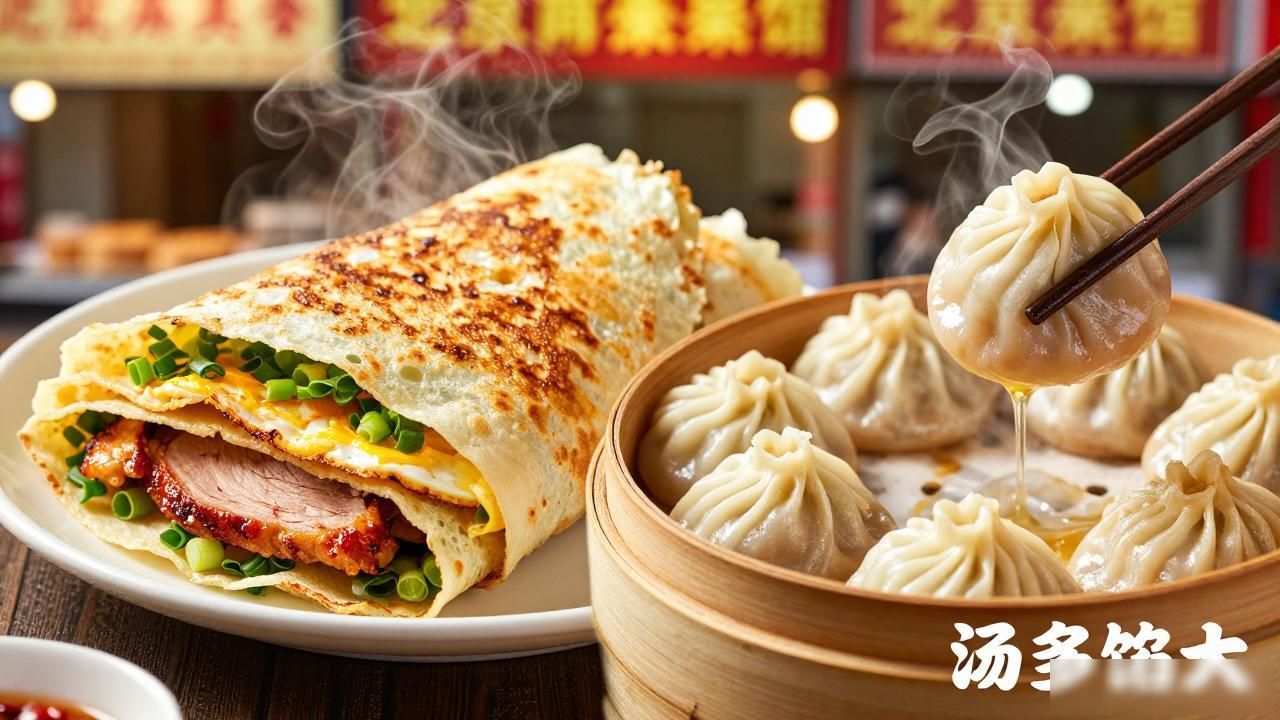
Start with jianbing in Beijing or Tianjin — a crispy wheat pancake folded around scallions, a fried egg, and a sliver of duck breast. It costs about six yuan and hits the spot at any hour of the day. In Shanghai,xiaolongbao at Jinjiang Yang’s isn’t just a snack; the soup inside is so hot you’ll genuinely burn your tongue if you don’t wait a good thirty seconds before biting. Both of these are cheap, fast, and nearly impossible to mess up at a busy stall.
Another absolute must: the chili-oil skewers and golden sweet potato balls at any Yunnan night market. The smoke, the crowd, the wobbly plastic stools — that’s the whole point. You don’t need a reservation. You don’t need a menu in English. You point, you eat, you repeat.
is street food in China safe to eat
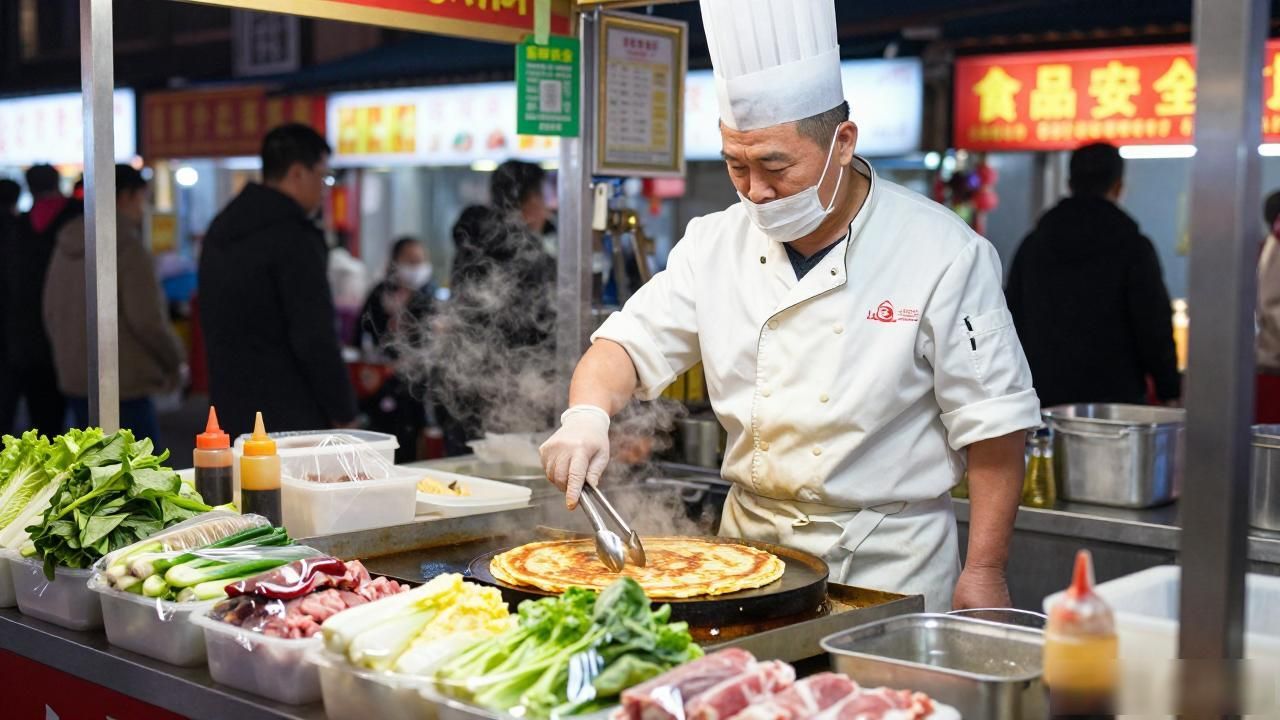
The honest answer: most of it is perfectly fine, but you need a little street-smart. Stick to stalls with high turnover — if the wok is busy and customers are queuing, the food is fresh. Avoid anything that’s been sitting under a glass dome for hours. The live heat of a griddle is your friend; cold display cases are where bacteria throw a party.
Wash your hands or grab a packet of wet wipes before you dig in. Tap water is still unreliable in many cities, so keep a bottle on you. If you’re sensitive to dairy or strong spices, flash a quick phrase on your phone and most vendors in tourist-heavy spots like Chengdu’s Jinli or Guangzhou’s Beijing Road will just nod and swap your order.
The streets of China won’t write your travel blog for you, but they will fill your stomach and your phone camera. Go hungry, go early, and let the flavors do the talking.