
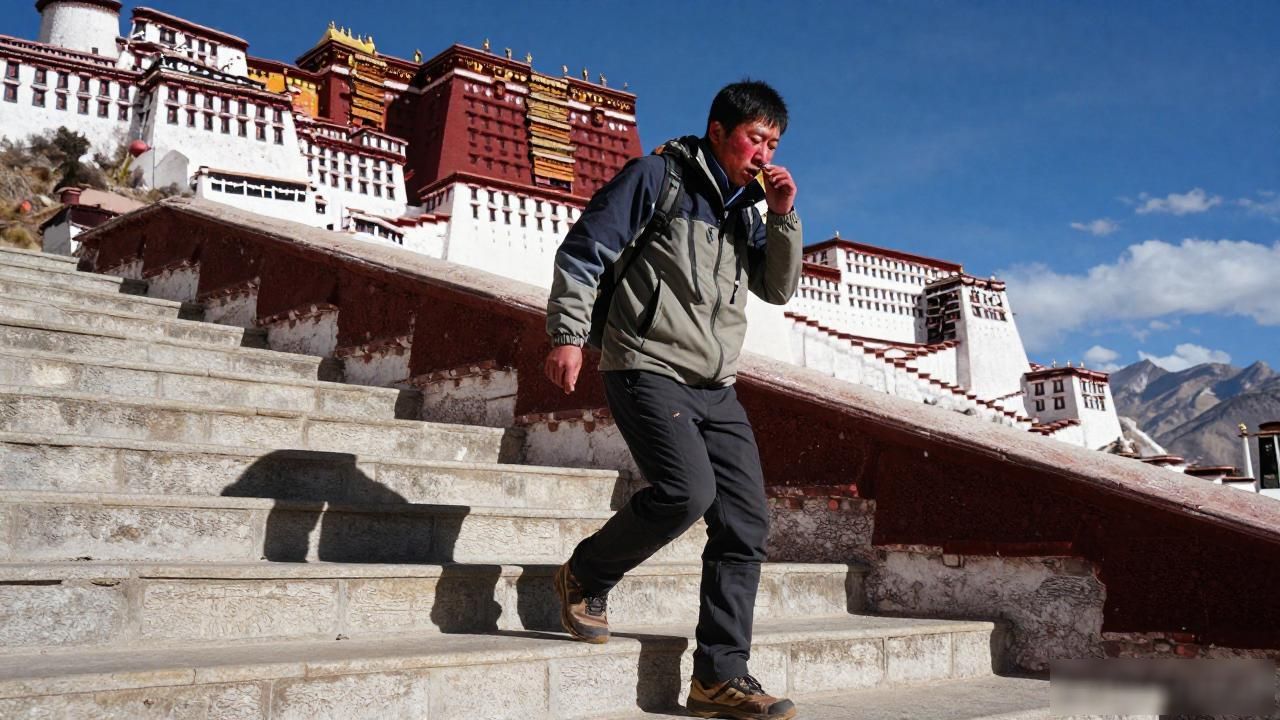
Talking about Tibetan areas in China means talking about altitude,prayer flags, and the particular silence of a plateau town at 3,600 meters. Most Western visitors picture Lhasa from a brochure, but the actual experience stretches well beyond Potala Palace photo stops into places like Shigatse, Rongbuk, and the hidden valleys of Nyingchi. Here is what visiting truly feels like, minus the travel-blog sugarcoating.
What’s Real in Tibetan Areas China Tourism

The first thing that hits you is the altitude. Lhasa sits at 3,650 m, and you will feel it by lunchtime on day one. Your legs get heavy climbing monastery steps, your face flushes red, and you start breathing through your mouth without noticing. Most visitors adjust within two days, but the smart move is to spend your first 48 hours in Lhasa doing almost nothing. Stroll Barkhor Square, drink butter tea, let your body catch up. Rushing to Rongbuk Monastery at 5,150 m on day two is a recipe for a wretched night.
What surprises people is how everyday the towns actually are. Lhasa is not a frozen-in-time museum. There are delivery drivers, phone-repair stalls, teenagers in hoodies, and half-finished metro stations. The monasteries and old streets coexist with a very modern urban layer. The contrast is part of the charm, not a flaw.
How Costly Is Tibetan Areas China Tourism
A mid-range loop through Lhasa, Shigatse, and a day in Nyingchi runs roughly $80 to $120 per person per day with 3-star hotels and a local guide. The guide is mandatory in most Tibetan areas and costs around $30 to $40 a day. Flying into Lhasa from Chengdu or Chongqing is the cheapest entry, often under $200 round-trip in off-season. What people underestimate is the pace. The roads are long, the sun is brutal, and a “short” drive to Shigatse eats an entire day. Budget your hours the same way you budget your money.
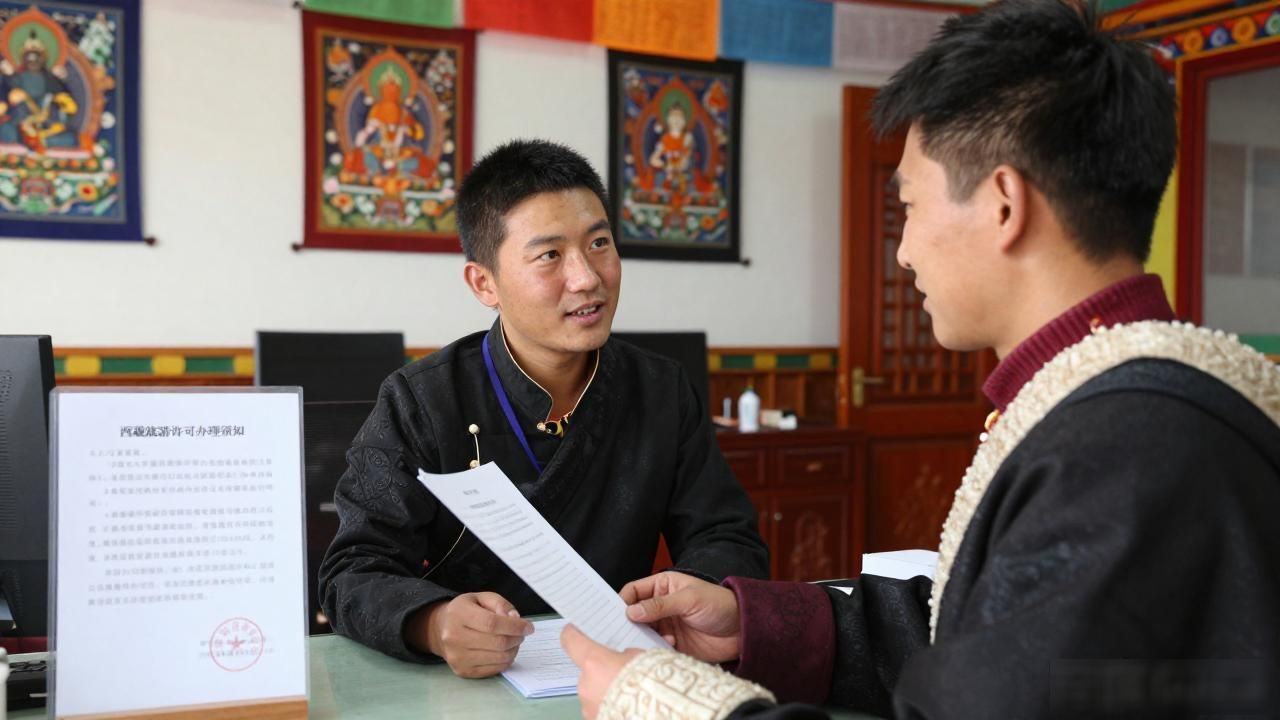
The permit system adds another layer. The Tibet Travel Permit is arranged through a licensed agency, and for foreign nationals it typically takes three to five working days. Not complicated, but one more variable to plan around.
I keep going back to Lhasa because no other place in China makes the scale of human devotion so visible. Ten thousand butter lamps. Pilgrims prostrating along the road to Jokhang Temple. You do not need a guidebook to understand why people come here. You just need to show up, breathe slow, and let the plateau do its quiet work on you.