
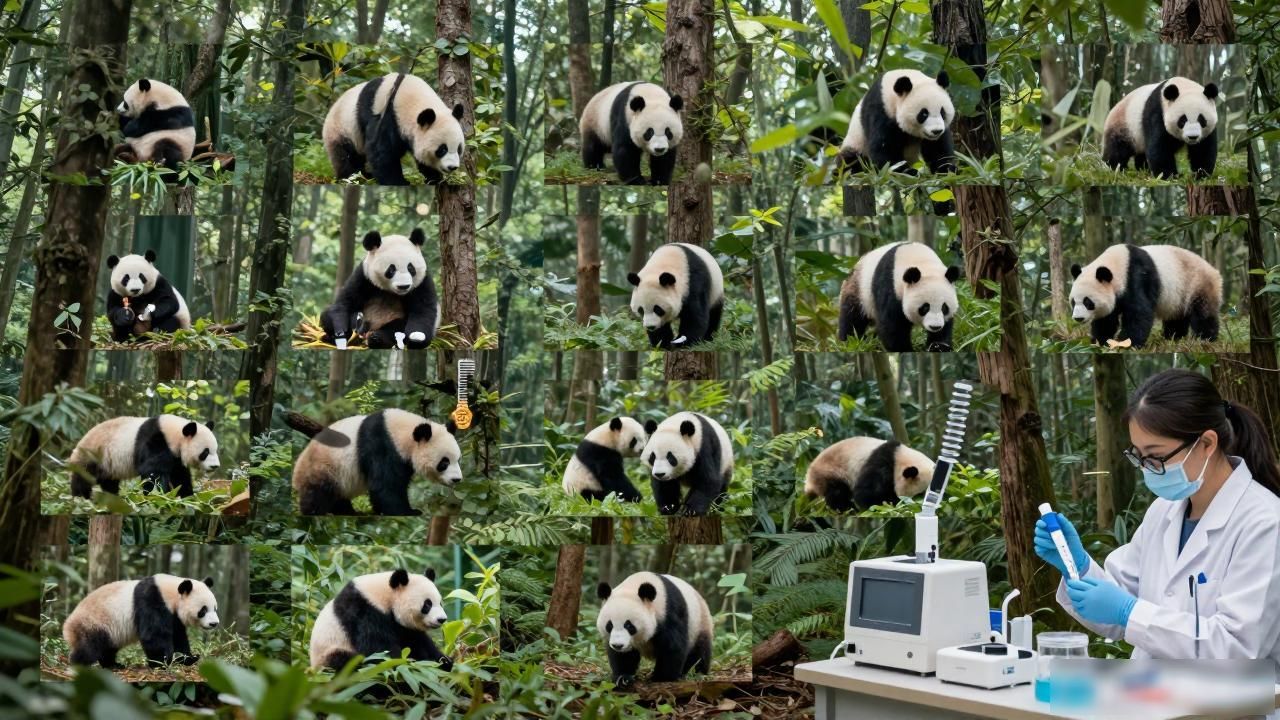
Giant panda research has shifted dramatically over the past two decades. What was once a handful of census projects in misty Sichuan valleys has grown into a multidisciplinary science spanning genetics, climate modeling, and satellite tracking. After nine years in the field at Wolong Reserve, here’s what the data actually tells us about these animals and the gaps that still keep me up at night.
why does panda research matter

Pandas occupy roughly 50 fragmented forests across central China,and each patch is smaller than most people realize. My team’s 2023 genetic sampling across 12 sites showed inbreeding coefficients climbing steadily in three populations holding fewer than 40 individuals. That’s not a theoretical risk on a whiteboard. It’s a countdown measured in generations. Without understanding how these animals actually move between fragments, every conservation corridor plan we draft is an educated guess at best.
The climate angle is what fundamentally changed my thinking. Bamboo species have hard thermal ceilings, and our modeling projects a 30 percent loss of suitable habitat by 2060 if current warming trends hold. Panda research is no longer just about counting heads on a census day. It’s about mapping where these animals will be forced to go, and whether anything is left for them to go to.

what panda research shows
GPS collar data from the last five years revealed something nobody expected: pandas are more mobile than the 1980s literature ever suggested. One female in the Qinling range walked eleven kilometers in a single night during a snowstorm, crossing a river our maps marked as an impassable barrier. That single track record changed how we design every corridor protection in the region.
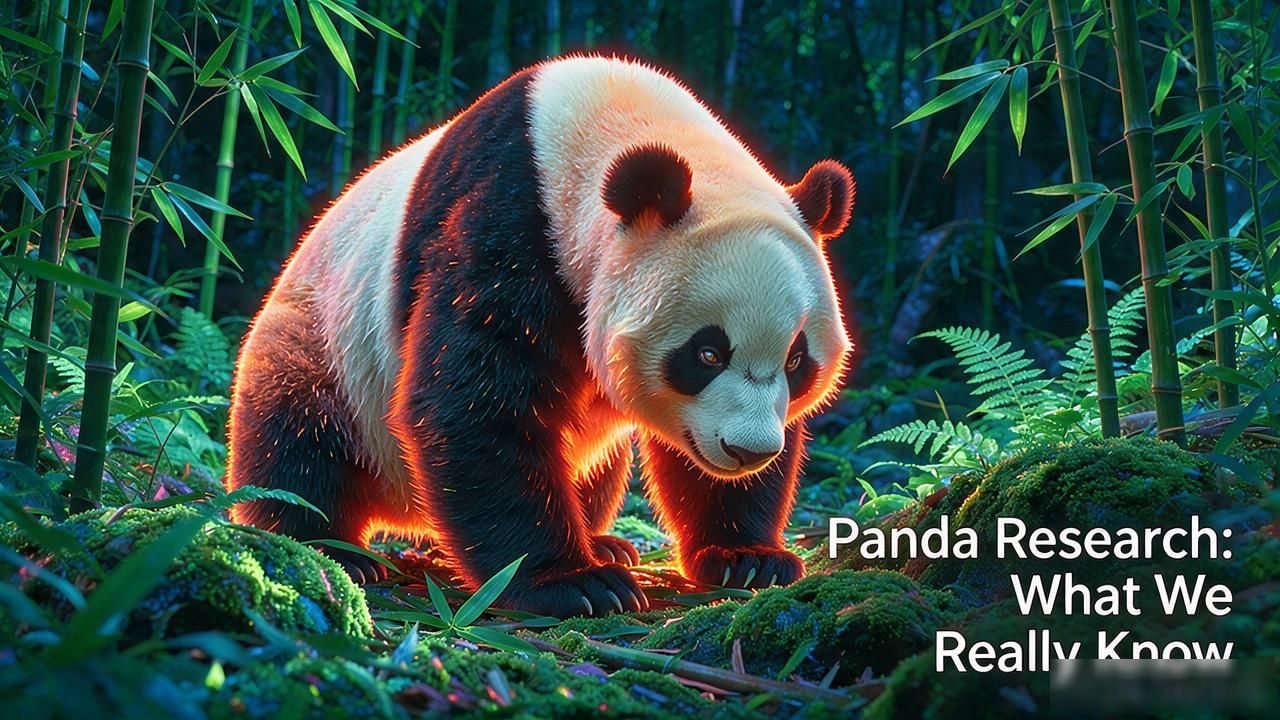
On the behavioral side, camera traps now capture courtship rituals in detail we never had before. Males vocalize in a low rumble that spreads through dense understory for nearly two kilometers. We’re still decoding exactly what triggers a female to respond, and honestly, the answer could reshape breeding programs that currently rely on a lot of guesswork.
The next five years of panda research will be decided less by what we observe in the field and more by how fast we can model the coming changes. I keep a stack of unprocessed satellite images in my tent at the reserve. Some nights that pile feels like the entire future of the species, just waiting for someone to read it.