
China has opened its doors wider than ever before, offering visa-free access to several major cities for travelers from many countries. Whether you’re planning a short stopover or a dedicated trip, understanding which cities welcome you without a visa can save time, money, and paperwork. As of 2026, the 144-hour transit visa exemption and regional policies cover popular destinations like Beijing, Shanghai, Guangzhou, Chengdu, and more. Let’s explore the best visa-free cities in China and how to make the most of your visit.
Which Chinese cities offer 144-hour visa-free transit
The 144-hour (6-day) visa-free transit policy is available in over 20 Chinese cities, including Beijing, Shanghai, Guangzhou, Chengdu, Chongqing, Xi’an, Hangzhou, Nanjing, Shenyang, Dalian, Qingdao, and Wuhan. Travelers from 53 eligible countries, such as the US, UK, Canada, Australia, and most European nations, can enjoy this policy. You must arrive from a third country (e.g., Tokyo to Beijing to Seoul) and hold confirmed onward tickets. This rule does not apply for round trips from the same origin, so plan your route carefully.

For example, flying from New York to Beijing, then to Hong Kong qualifies, but New York-Beijing-New York does not. Each city has its own allowed area of travel – in Beijing you can explore the capital and nearby Tianjin, while Shanghai allows travel within the entire Jiangsu-Zhejiang-Shanghai region. Always check with your airline before booking, as they verify your eligibility at check-in. This policy is perfect for a quick cultural immersion or business stopover without the visa hassle.
How to visit Shanghai visa-free and what to see
Shanghai is one of the most foreigner-friendly visa-free cities in China. Under the 144-hour policy, you can enter through Pudong or Hongqiao airports and travel freely within the Shanghai metropolitan area, plus neighboring Zhejiang and Jiangsu provinces. That means you can take a high-speed train to Hangzhou’s West Lake or Suzhou’s classical gardens – all without extra permits. The process is straightforward: inform your airline,fill out an arrival card, and show your onward ticket at immigration.
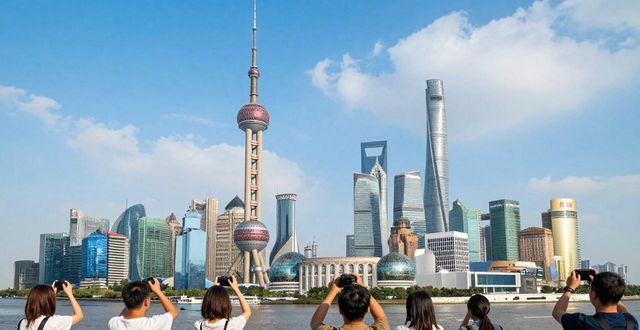
Once you’re in, don’t miss the Bund’s skyline, Yu Garden’s Ming-era architecture, and the futuristic Pudong district. For food lovers, try xiaolongbao (soup dumplings) at Nanxiang Steamed Bun Restaurant. Shanghai also has excellent English signage and metro announcements, making navigation easy. Remember, you cannot leave the designated region – for instance, traveling to Beijing would violate the policy. Most travelers find 144 hours plenty to see the city’s highlights and even do a side trip to nearby water towns like Zhujiajiao.

Best things to do in visa-free Beijing for short trips
Beijing, China’s historic capital, welcomes visa-free travelers under the same 144-hour transit rule. You can enter via Beijing Capital or Daxing airports, and stay within the Beijing municipality and Tianjin city. With six days, you can hit all the major sights: the Forbidden City, the Great Wall at Mutianyu (less crowded than Badaling), the Temple of Heaven, and the Summer Palace. Book tickets online in advance – many sites require passport information and have English booking systems.
A tip for Great Wall visits: hire a private driver or join a small group tour from downtown, which takes about 1.5 hours each way. Don’t miss the hutongs – narrow alleys where old Beijing life thrives – by rickshaw. For authentic food, try Peking duck at a local favorite like Siji Minfu. Keep in mind that you must have a confirmed ticket to a third country (e.g., Beijing to Tokyo to Los Angeles). Immigration officers may ask for hotel reservations and proof of funds, so carry printed copies. With good planning, six days in Beijing feels unhurried and deeply rewarding.
Can I visit Chengdu and other western cities visa-free

Yes, Chengdu, Chongqing, Xi’an, and Kunming are all part of the 144-hour visa-free transit program. Chengdu, home to giant pandas, is a top pick. You can visit the Chengdu Research Base of Giant Panda Breeding – go early morning when pandas are most active. The city is also famous for spicy Sichuan cuisine: hot pot, mapo tofu, and tea houses. Under the policy, you can travel within Sichuan province only, but that still includes Leshan’s Giant Buddha and Mount Qingcheng.
Xi’an, with the Terracotta Warriors, is another highlight. The warriors are a 40-minute drive from the city center; hire a guide for historical context. Chongqing, known for its mountainous cityscape and spicy noodles, is accessible via the same policy. Remember that each city’s allowed region is different – in Chongqing you can only stay within the municipality, while Chengdu permits travel across Sichuan. Always double-check with local tourism offices, as policies update occasionally. For panda lovers and food adventurers, Chengdu offers an unforgettable visa-free experience.
Have you visited a visa-free city in China, or are you planning a trip soon? Share your thoughts or questions in the comments below – and don’t forget to like and share this guide with fellow travelers