

Beijing‘s historic hutongs are a maze of narrow alleyways where traditional courtyard homes meet modern city life. For foreigners visiting these ancient lanes, understanding the local transportation means is essential for a smooth and authentic experience. Unlike the wide boulevards of central Beijing, hutongs have unique traffic rules and vehicle options that might surprise first-time visitors. This guide explores the most practical ways to get around these fascinating neighborhoods.
What are the main vehicles in hutongs
Bicycles remain the undisputed king of hutong transportation. The narrow lanes, often just 3 to 5 meters wide, are perfectly suited for two-wheelers. You’ll see locals riding everything from classic Flying Pigeon models to modern electric bikes. Many courtyard residents have been cycling these same routes for decades, weaving through alleys with practiced ease. For tourists, renting a bicycle from your hotel or a nearby shop costs as little as 20 yuan per day, giving you the freedom to explore at your own pace.

Are pedicabs worth the price
Traditional three-wheeled pedicabs, known as “sanlunche,” offer a uniquely charming way to see the hutongs. These人力车 are operated by local drivers who often double as informal tour guides, sharing stories about the history of each alley. A typical hour-long pedicab tour costs between 80 to 150 yuan per person, depending on the season and route. While more expensive than cycling, pedicabs allow you to rest your legs and focus on the architecture and daily life around you. Just be sure to agree on the price before starting your journey.
Can you drive a car inside hutongs
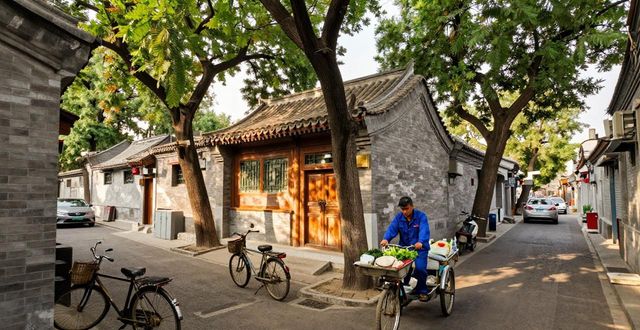
Driving a standard car through hutongs is highly discouraged and often impossible. Most hutong lanes are too narrow for two cars to pass each other, and parking is virtually nonexistent. Many hutongs have installed bollards or permit-only entry systems to prevent through traffic. If you arrive by taxi or ride-hailing service, ask the driver to drop you at the nearest main street entrance. From there, walking or renting a bicycle becomes your best option. Some wider hutongs allow one-way traffic for small vehicles,but these are exceptions rather than the rule.
How to walk safely in narrow lanes
Walking is actually the most rewarding way to experience hutong life. These lanes were designed for pedestrians long before cars existed. Keep to the right side of the alley, just as locals do, and stay aware of approaching bicycles and electric scooters. Unlike cars, bikes move almost silently, so resist the urge to walk in the middle of the lane while looking at your phone. During morning and evening rush hours, hutongs become surprisingly busy with residents commuting. Step into a doorway or wider opening if you need to check a map or take photos.
Which mobile apps help with navigation
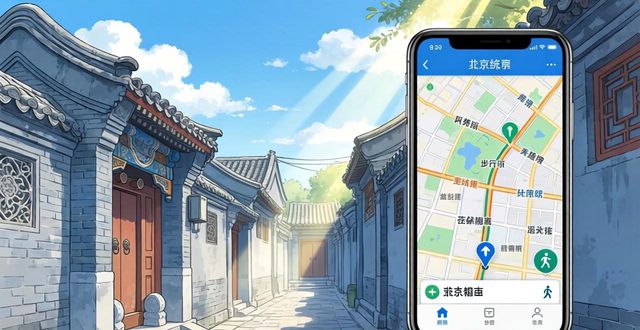
Didi Chuxing, China’s equivalent of Uber, works well for getting to hutong areas, though drivers cannot enter most narrow lanes. Use the app to set your destination to a recognizable landmark like a temple gate or major intersection. For last-mile navigation, Apple Maps and Amap (Gaode) show walking and cycling routes through hutongs, but avoid Google Maps as it is often outdated in Beijing. Shared bike apps like Meituan and Hellobike are excellent for spontaneous trips, with bikes available at most hutong entrances. Just remember to park in designated areas to avoid extra fees.
Have you ever tried navigating a historic neighborhood where cars are not the king of the road, and what was your most memorable transportation surprise? Share your story in the comments below, and don’t forget to like and pass this guide to fellow travelers exploring Beijing’s amazing hutongs.