
What Are the Best Local Chengdu Foods to Try
I came to Chengdu three years ago thinking I knew Sichuan food. My friends back home had raved about the spicy mapo tofu and Kung Pao chicken at those overpriced restaurants in Soho. They weren’t wrong — just completely unprepared for the reality of Chengdu’s food scene.
The first time I stepped into a hole-in-the-wall restaurant in the Jiuyan Bridge neighborhood, I ordered what I thought was a mild dish. Three bites later, tears streaming down my face,I realized I’d been living a lie. Chengdu cuisine operates on a different heat spectrum — one that rewards the brave and humbles the arrogant. The locals here laugh at my suffering and hand me another bowl of rice. They’ve seen this movie before.

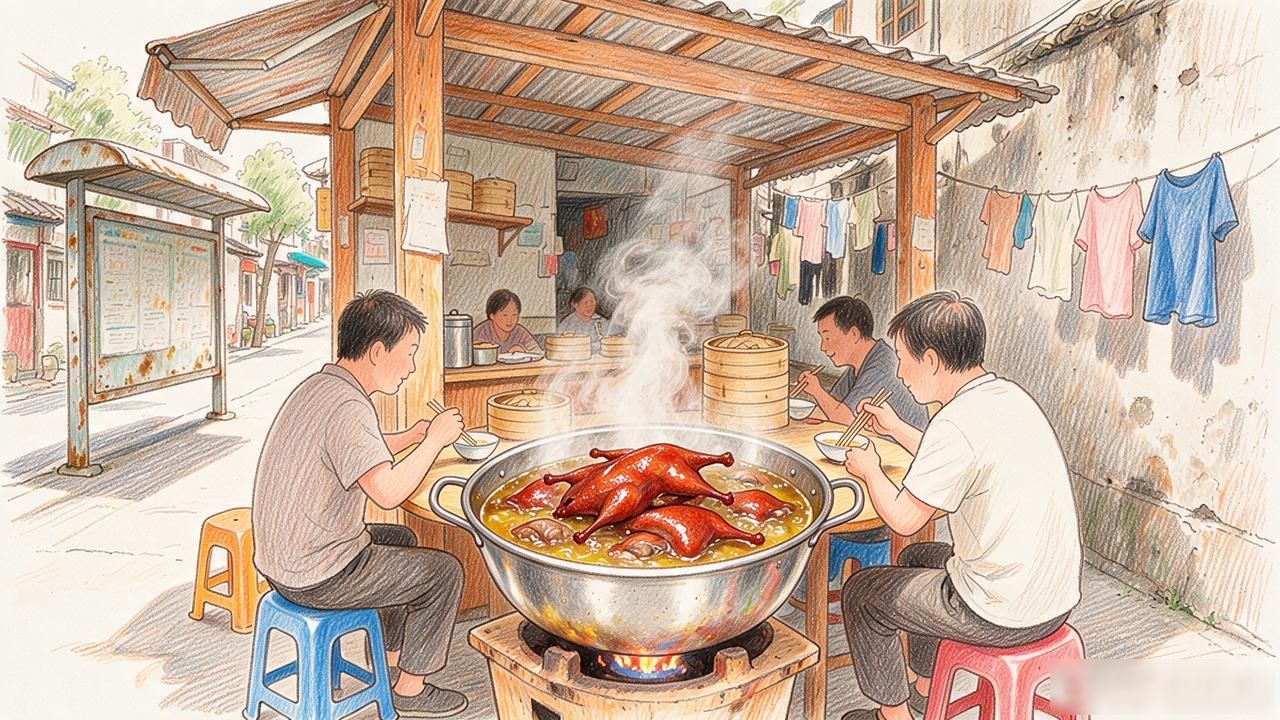
The real magic happens in the tiny eateries tucked behind bus stops and laundromats, not in the tourist-trap restaurants near Chunxi Road. I’ve spent more evenings at plastic stools in residential alleys than in any Michelin-starred establishment. The duck cold pot I had at a stand near Wuhou Shrine still haunts me in the best way possible.
Where Do Chengdu Locals Go to Escape the Crowds
People flock to Kuanzhai Alley on weekends expecting ancient architecture and cultural immersion. What they find instead is a crowded marketplace selling identical trinkets to tourists from every city in China. I took my visiting sister there once. We lasted twenty minutes before she whispered that this felt like any other commercialized old town.
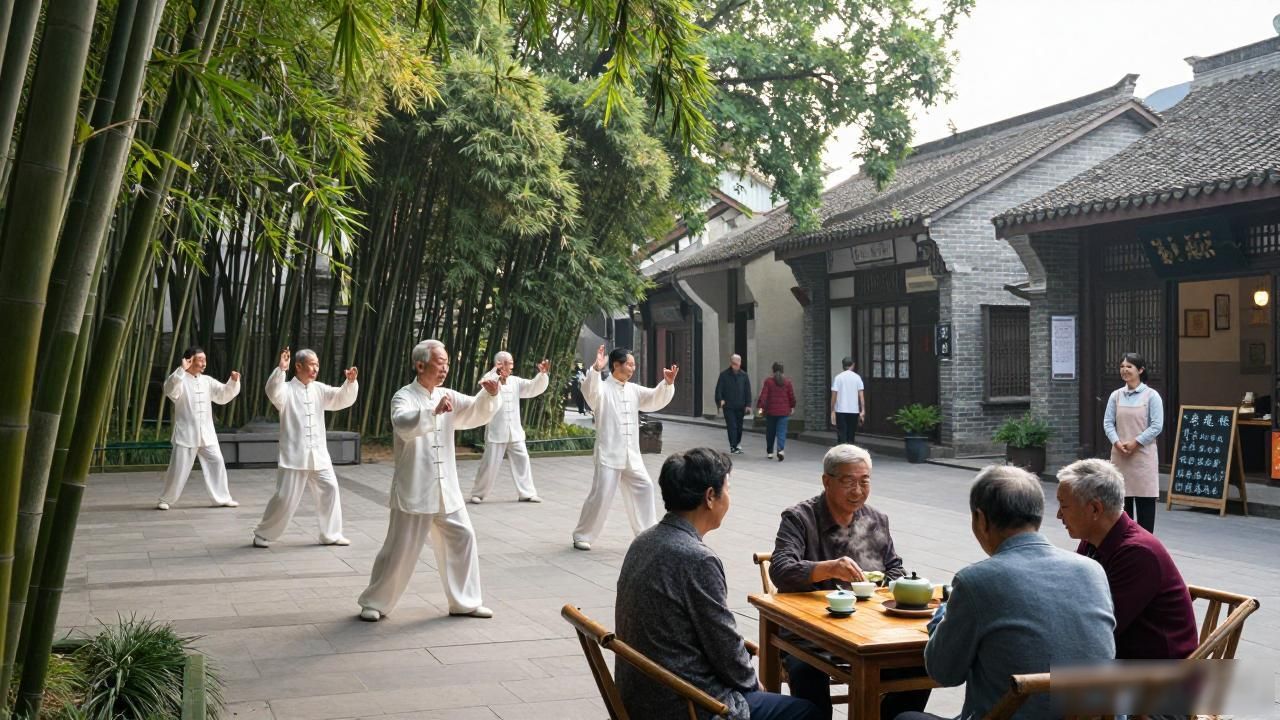
The real Chengdu reveals itself in the bamboo-lined parks where elderly men gather at dawn to practice tai chi and drink jasmine tea. These are the neighborhoods without English signs, where the only menu is chalked onto a blackboard and the waitresses call you “laoban” whether you want them to or not. I learned to navigate these spaces by making friends with a tea house owner named Xiao Liu, who taught me that showing genuine interest goes further than any phrasebook.
On Sunday mornings, I join the morning exercise groups in People’s Park for a free tai chi session that costs nothing but humility. The grandmother who teaches us moves with such precision that watching her is genuinely meditative. She doesn’t speak English. I don’t speak Chinese. We communicate through gentle corrections and shared laughter.
What Makes Chengdu Different from Other Chinese Cities
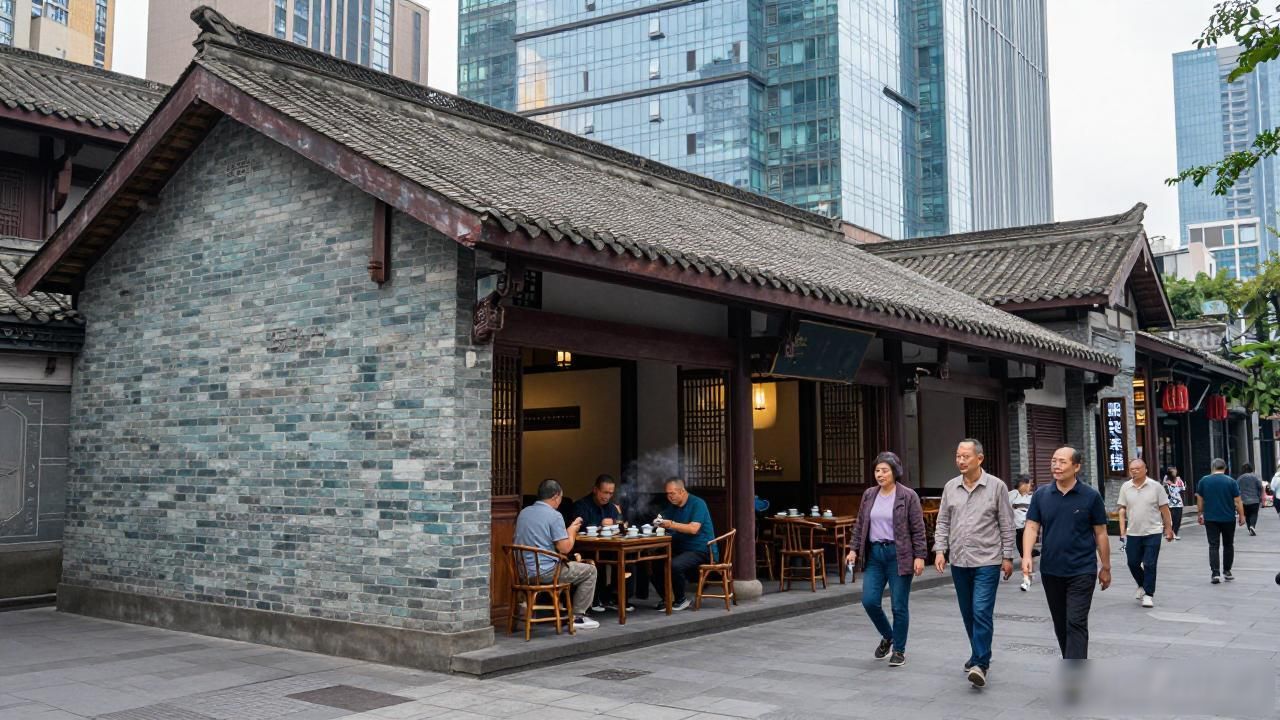
Every major city in China markets itself as a blend of ancient tradition and modern ambition. Chengdu does both while wearing a permanent expression of quiet contentment that seems almost subversive in its intensity. The pace here feels deliberately unhurried, as if the city is quietly challenging every visitor’s assumption that productivity equals happiness.
I remember standing on the balcony of my apartment in Jinli Street at midnight, watching the neon reflections ripple across the river. A group of young women in elaborate dresses spilled out of a nearby karaoke bar, laughing about something I couldn’t understand but felt completely. This is the Chengdu that guidebooks miss entirely — not the pandas or the temples, but the overwhelming sense that life here operates by its own generous rhythm.
The city has somehow maintained its soul despite rapid modernization, preserving pockets of authenticity that feel increasingly rare in Chinese urban development. When I tell people I live here, they expect complaints about pollution and overcrowding. Instead, I describe a place where a stranger might invite you home for hot pot after learning you’re new to the neighborhood.