
Pandas hold a special place in Chinese cultural imagination that stretches back centuries, though their folklore presence is surprisingly understated compared to creatures like dragons or phoenixes. These gentle giants, with their distinctive black-and-white markings, have become symbols of peace and friendship not just in modern diplomacy, but in the ancient stories and beliefs that shaped Chinese civilization. This exploration looks into how pandas earned their place in Chinese mythology and why they continue to captivate both scholars and casual observers around the world.
How is panda viewed as an auspicious animal in Chinese tradition
The panda’s reputation as a lucky creature runs deep in Chinese tradition, even if pandas didn’t feature prominently in the grand myths that dominate popular imagination. Ancient Chinese scholars referred to the panda as the “cat bear” or “ba,” describing it as a mystical beast that embodied the balance of nature. The animal’s gentle disposition and rare appearance made it something special — a creature that could appear only to those with pure hearts and noble intentions.

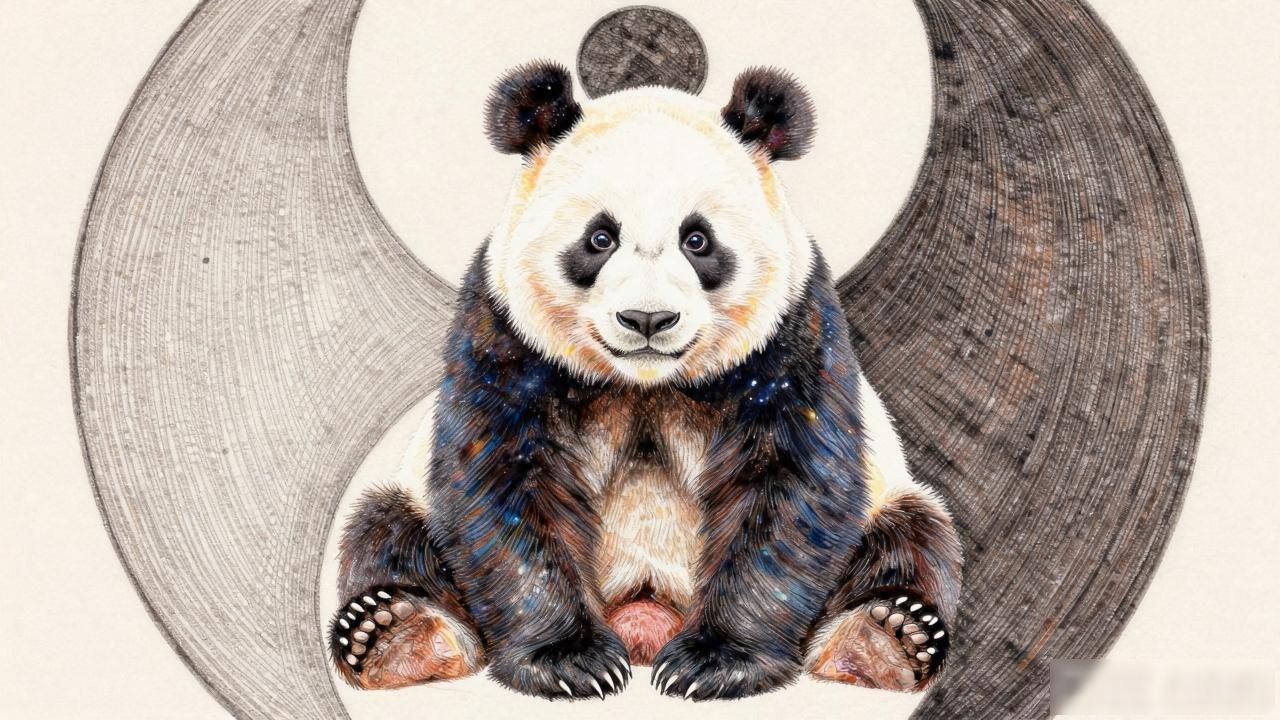
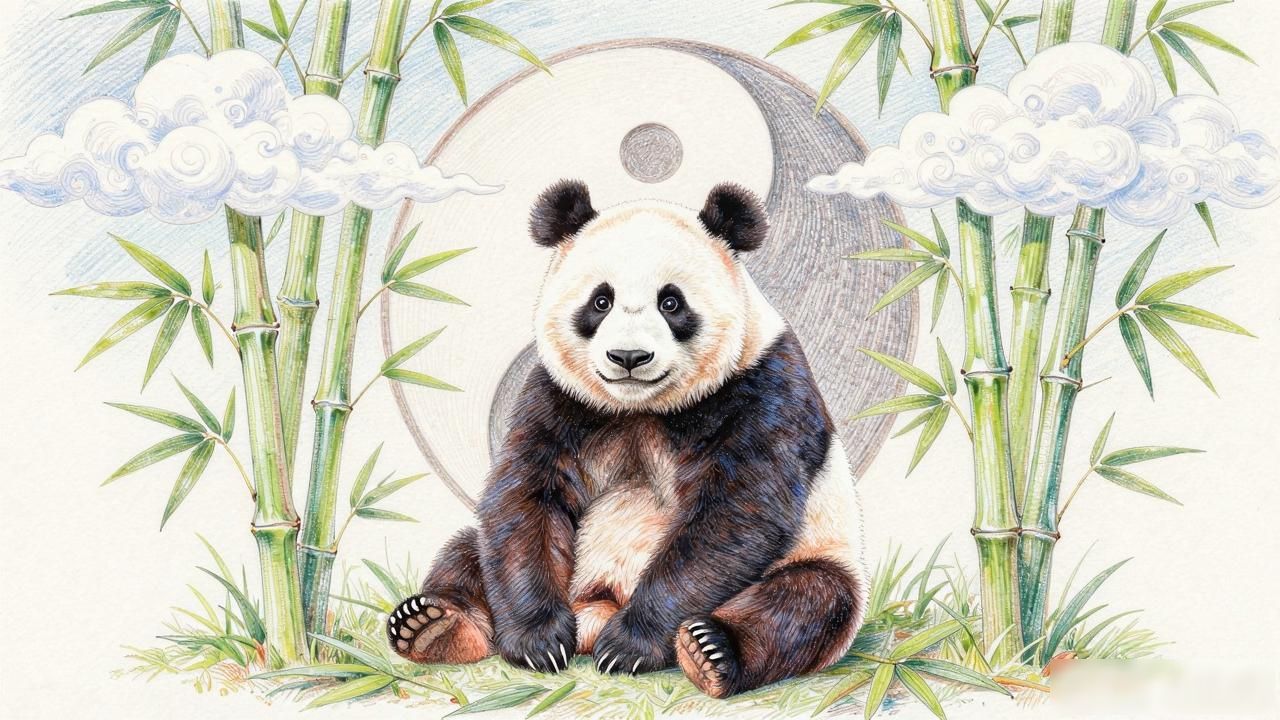
The black-and-white coloring of the panda carried profound philosophical meaning. In Chinese thought, yin and yang represent opposing yet complementary forces — darkness and light,feminine and masculine, earth and sky. The panda’s natural coloring perfectly mirrors this duality, making it a living symbol of cosmic harmony. This connection to fundamental Chinese philosophy helped elevate the panda from a mere animal to a spiritual emblem that represented balance in the natural world.
Historical records from ancient dynasties mention strange bear-like creatures that lived in the mountain forests, described as having virtues that mirrored human ideals of kindness and humility. While these accounts weren’t always about the modern panda we recognize, they created a cultural space where pandas could eventually be understood as sacred beings connected to the natural order.
What role does panda play in Chinese mythology and legends

When we search for pandas in Chinese mythology, we discover that their role is more subtle than that of dragons or tigers, yet no less meaningful. Unlike mythological beasts that flew through heavens or commanded storms, pandas were associated with the earthly realm — forests, mountains, and the quiet wisdom of the natural world.
Some folktales describe pandas as creatures that emerged from the misty mountains of central China, said to be guardians of ancient forests. In these stories, encountering a panda was considered a rare blessing, a sign that the person had touched something sacred and untouched by human corruption. The panda became associated with purity and simplicity, values highly prized in traditional Chinese culture.
The connection between pandas and lunar mythology adds another layer to their folklore significance. Some tales suggest that pandas belonged to moon deities, descending occasionally to walk among humans. This celestial association helped position the panda as a bridge between the divine and mortal realms, making it a creature worthy of reverence and protection rather than fear.
Where can I learn about panda in Chinese folklore today
If you’re curious about exploring panda folklore further, several avenues exist for both casual learners and serious researchers. Traditional Chinese texts and classical literature contain scattered references to bear-like mythical creatures that many scholars believe describe early pandas. Museums dedicated to Chinese culture often include sections on symbolic animals, where pandas get their share of attention alongside more famous mythical beings.
Contemporary interpretations of panda folklore also abound in modern Chinese art, literature, and media. Many contemporary Chinese authors have reimagined ancient tales, placing pandas at the center of new stories that blend traditional mythology with modern sensibilities. These retellings help keep the cultural memory alive while making it accessible to younger generations and international audiences alike.
Online resources and academic papers provide additional depth for those wanting to understand the scholarly perspective on pandas in Chinese folklore. Researchers in Chinese studies and ethnozoology continue to uncover new connections between pandas and ancient Chinese belief systems, ensuring that this fascinating topic remains a living field of cultural investigation.