
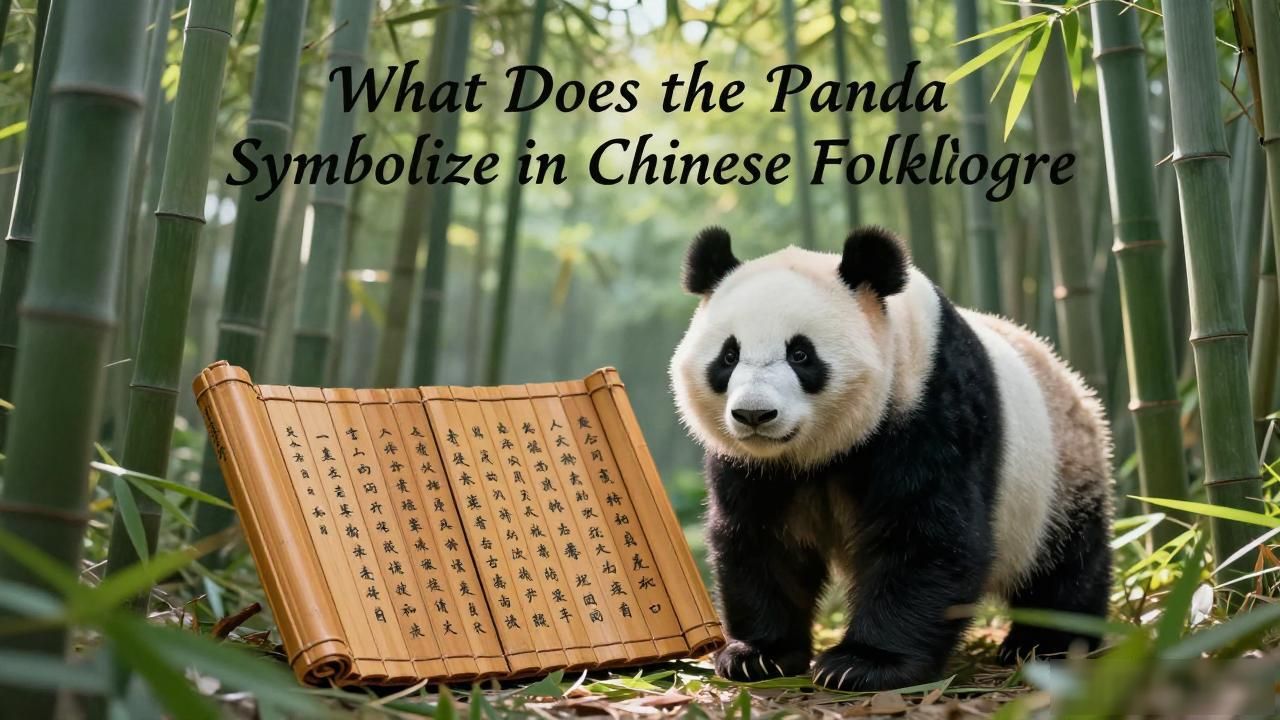
When people around the world think of China, the panda is almost always the first image that comes to mind. But this beloved creature was not always the national treasure it is today. Long before it became a symbol of conservation and diplomacy, the panda held a deep and mysterious place in Chinese folklore — a creature so unusual that ancient people could not help but weave extraordinary stories around it.
What Is the Panda in Chinese Mythology

The panda first appeared in Chinese written records over 3,000 years ago, long before it earned its modern nickname. Ancient texts described it as a beast called bai xiong, meaning “white bear,” though some scholars believe it may have also been linked to the xiong mao, a mythical creature said to resemble a bear with striking black and white markings.
In Chinese mythology, the panda was considered a spirit animal connected to the heavens. Some legends claim that pandas were once celestial beings who descended to earth to bring peace and harmony to the world. Others tell stories of pandas serving as companions to gods and immortals, living in the misty mountains of central China where few humans ever ventured.
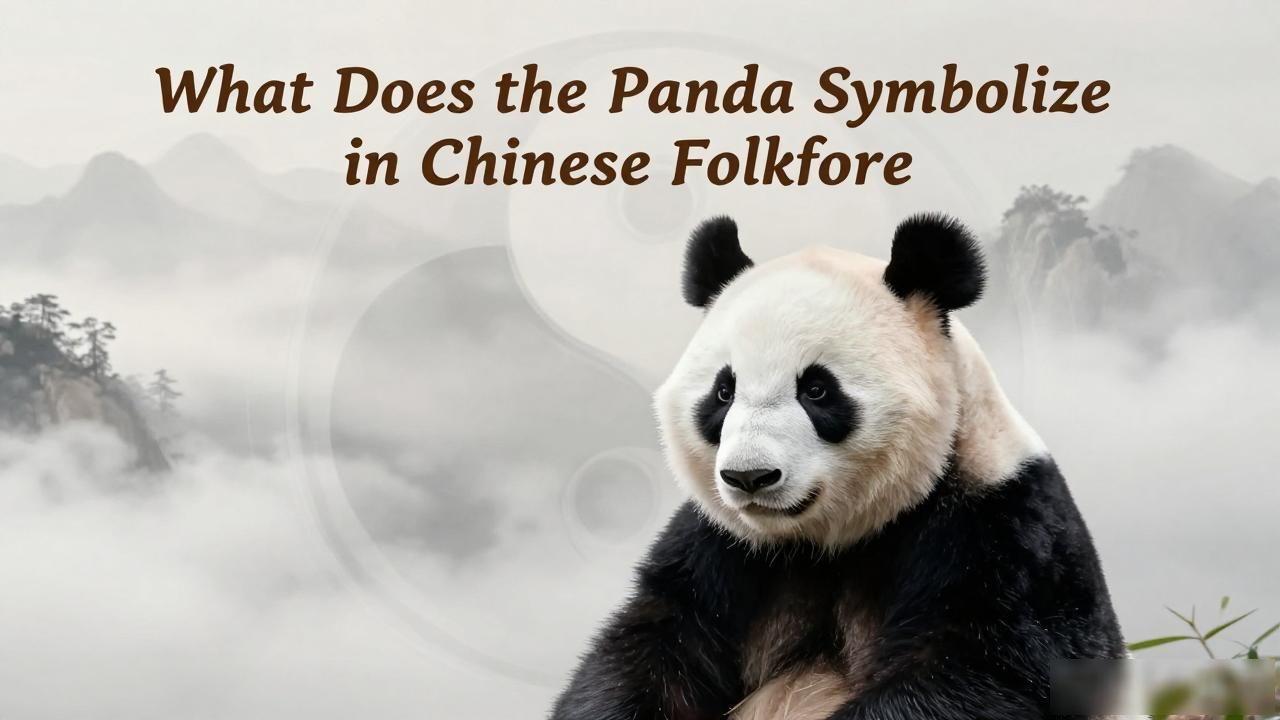
The panda’s gentle nature made it a powerful symbol in Daoist philosophy. Its black and white fur was seen as a living representation of yin and yang — the two opposing forces that create balance in the universe. This connection to cosmic harmony gave the panda a sacred status that went far beyond that of an ordinary animal.
Why Is the Panda Important in Chinese Culture
The panda’s cultural significance in China runs incredibly deep. Unlike many other animals in Chinese folklore that were associated with power or aggression,the panda represented something rarer — gentleness, patience, and quiet strength. These qualities resonated deeply with Chinese values that emphasized harmony over conflict.

In folk tales passed down through generations, pandas often appeared as wise creatures who helped lost travelers or protected villages from harm. Some stories described pandas as guardians of sacred forests, watching over the balance of nature with their calm and watchful eyes.
Today, the panda’s role in Chinese culture has evolved but never disappeared. The animal that ancient people revered as a divine messenger now sits at the center of China’s most famous diplomatic tradition known as panda diplomacy. The connection between past and present is striking — the panda remains a symbol of peace, just as it was believed to be thousands of years ago. What makes the panda truly special in Chinese folklore is that it bridges the spiritual and the earthly, the ancient and the modern, without losing any of its meaning along the way.