
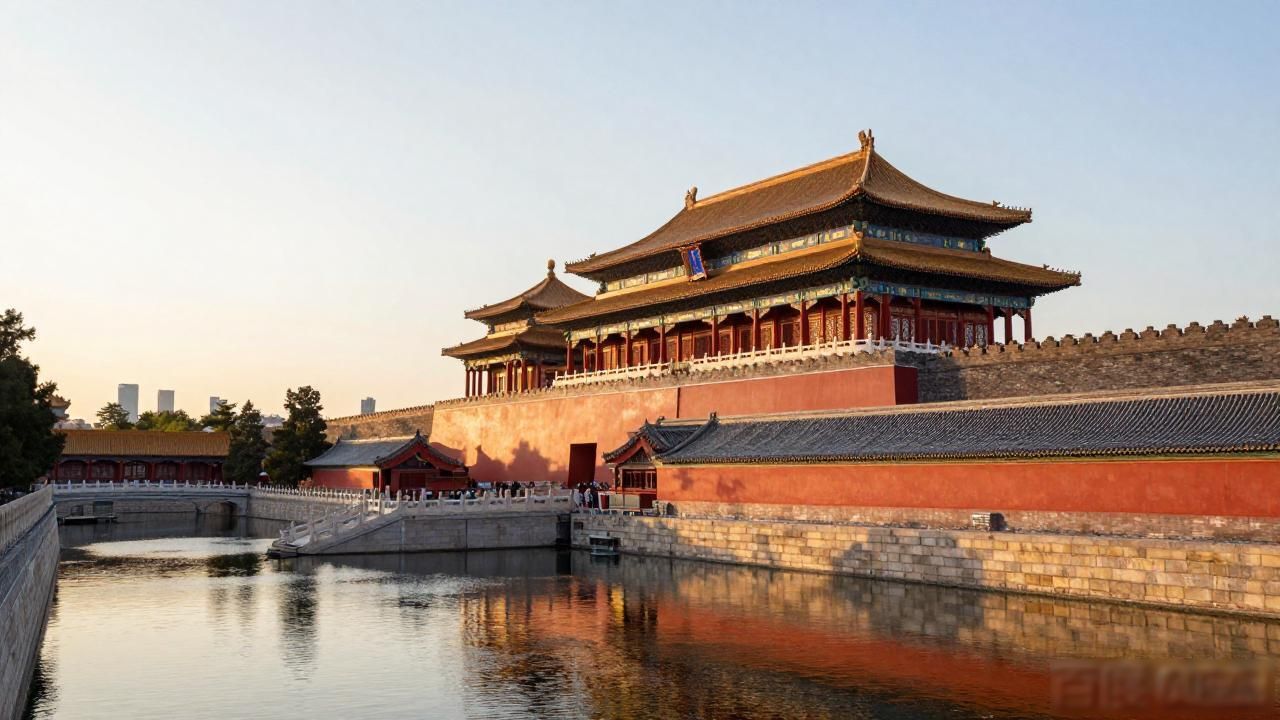
The Forbidden City isn’t just a tourist destination—it’s the physical and spiritual core of Chinese culture. For over 500 years, it served as the imperial palace where emperors ruled, rituals were performed, and the philosophy of harmony shaped daily life. Understanding this place means understanding how Chinese values like balance, hierarchy, and respect for nature were built into its walls.
What does the Forbidden City reveal about Chinese culture
Walk through the Meridian Gate, and you step into a world designed around order. The entire complex is laid out along a central north-south axis, with halls, gates, and gardens mirroring each other. This symmetry isn’t accidental—it reflects the Confucian ideal of balance and the cosmic belief in the harmony between heaven and earth. The emperor, as the Son of Heaven, sat at the center of this universe, both literally and symbolically.
Every detail carries meaning. The golden roof tiles were reserved for the emperor alone, while officials lived in buildings with green or blue tiles. The number of animal figurines on roof corners indicated rank. Even the color red, used on walls and pillars, symbolizes good fortune and power in Chinese tradition. These choices weren’t just aesthetic—they reinforced a social order that defined Chinese civilization for centuries.
The Palace Museum today holds nearly two million artifacts, from jade carvings to ancient scrolls. Each piece tells a story of craftsmanship,philosophy, and daily life under imperial rule. For example, the bronze vessels used in sacrificial ceremonies show how deeply ancestor worship shaped Chinese identity. Without these objects, much of China’s spiritual and artistic heritage would be lost.

Why the Forbidden City still matters to modern China
Many people think ancient palaces are just relics, but the Forbidden City lives on. Every year, millions of visitors from around the world walk its halls, and its influence spreads far beyond Beijing. The layout and design principles have inspired modern Chinese architecture, from government buildings to luxury hotels. The idea of creating spaces that balance nature and structure remains central to Chinese urban planning.
There is also a growing movement to preserve traditional crafts. Artisans who restore the palace use techniques passed down through generations—hand-painted ceilings, carved wooden screens, and intricate stonework. These skills are endangered, but the Forbidden City keeps them alive. In 2020, the palace launched digital tours and online exhibitions, reaching audiences who may never visit in person. This blend of old and new shows how Chinese culture adapts without losing its roots.
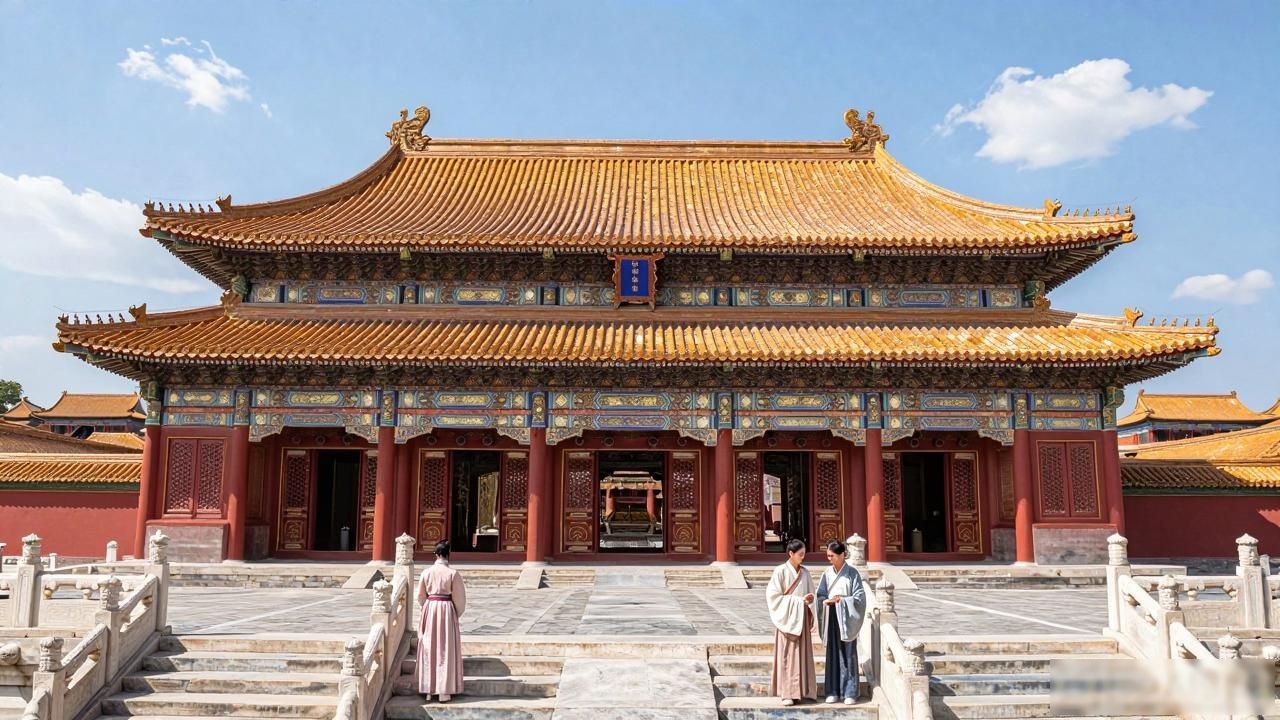
For foreigners, the Forbidden City offers a window into a worldview that values harmony over confrontation, hierarchy over equality, and ritual over spontaneity. It’s not always easy to grasp, but standing in the Hall of Supreme Harmony, you feel the weight of history. That feeling is exactly what Chinese culture aims to convey—respect for the past while moving forward.
The Forbidden City is more than a tourist attraction. It’s a living textbook of Chinese philosophy, art, and social structure. Whether you’re a history buff, an architecture lover, or just curious about China, this palace will change how you see the country.