
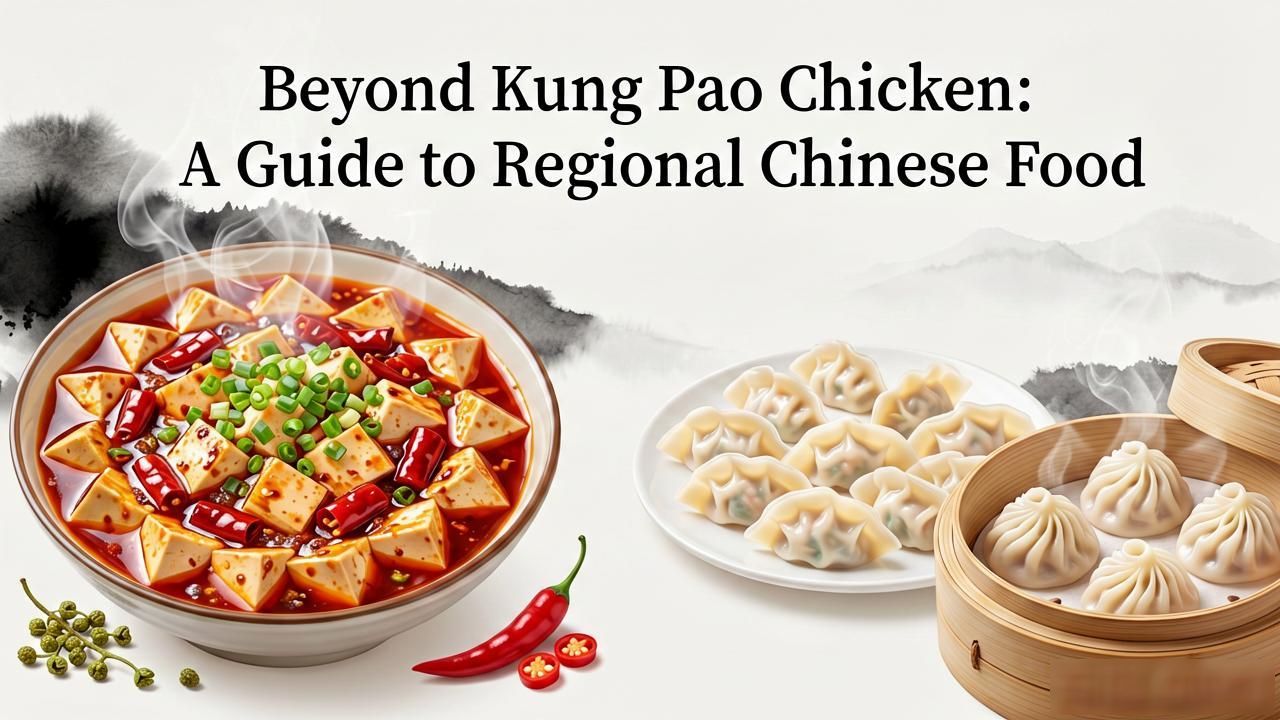
Most people think of General Tso’s chicken when they hear “Chinese food.” That is a narrow view of a cuisine that spans thousands of miles. China is huge, and its geography dictates its flavors. The north is cold and dry, favoring wheat and strong spices. The south is warm and wet, relying on rice and fresh seafood. Understanding these regional differences unlocks the true depth of the culinary experience. It transforms a simple meal into a journey across diverse landscapes and cultures.
What makes Sichuan food different from Cantonese?

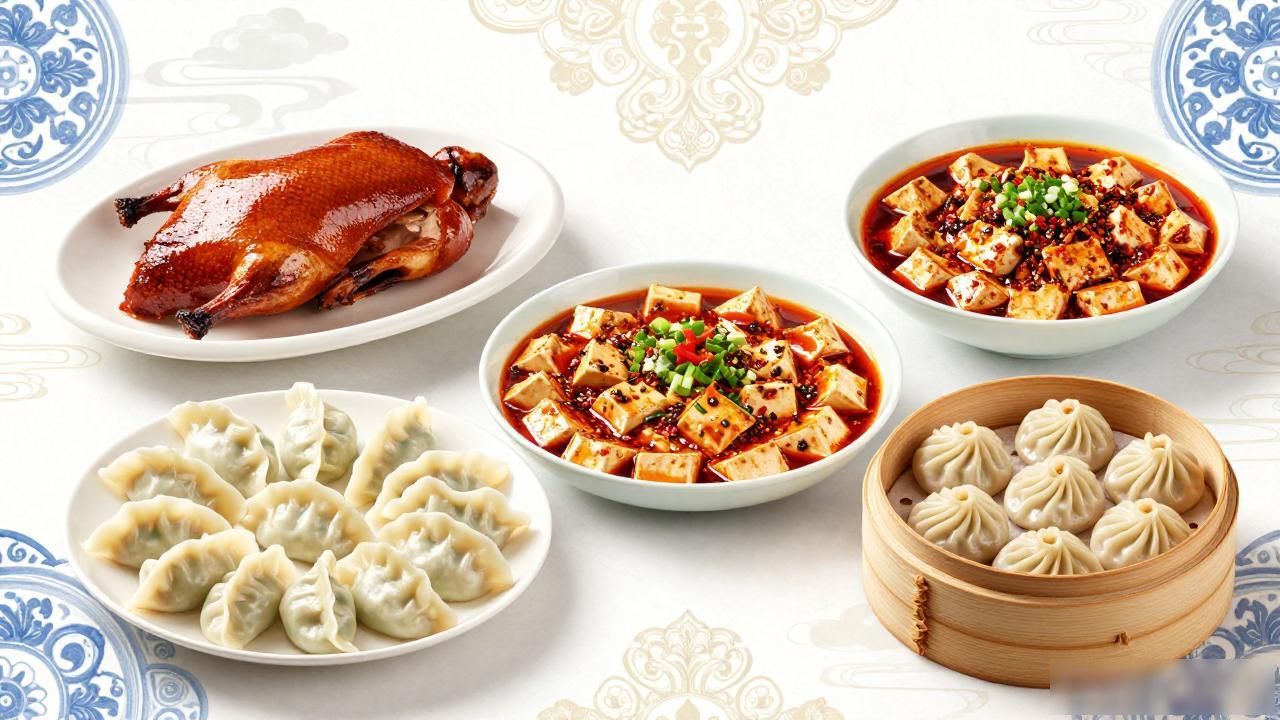
Sichuan cuisine is famous for its bold, numbing heat, but it is more complex than just spicy. The key ingredient is Sichuan peppercorn, which creates a tingling sensation known as mala. This unique flavor profile comes from the humid climate of the basin, where people use spice to sweat out dampness. Dishes like Mapo Tofu are rich,oily, and intensely flavorful. They are not for the faint-hearted but offer an unforgettable sensory experience that defines western China’s culinary soul.
In contrast, Cantonese food from the Guangdong province emphasizes freshness and natural tastes. Chefs here believe that good ingredients need little interference. Steaming, stir-frying, and boiling are common techniques that preserve the original texture and nutrition. Dim sum is the most recognizable export, featuring delicate dumplings and buns. The focus is on subtlety, allowing the sweetness of shrimp or the tenderness of pork to shine through without heavy sauces or overpowering heat.
How does Northern food compare to Eastern styles?
Northern Chinese cooking is hearty and robust, reflecting the colder climate. Wheat is the staple grain, leading to a variety of noodles, dumplings, and steamed buns. Beijing duck is perhaps the most famous dish, requiring precise roasting techniques to achieve crispy skin and tender meat. The flavors are salty and savory, often using garlic, scallions, and vinegar as primary seasonings rather than chili peppers. It is comfort food in its purest form, designed to sustain energy in harsh winters.
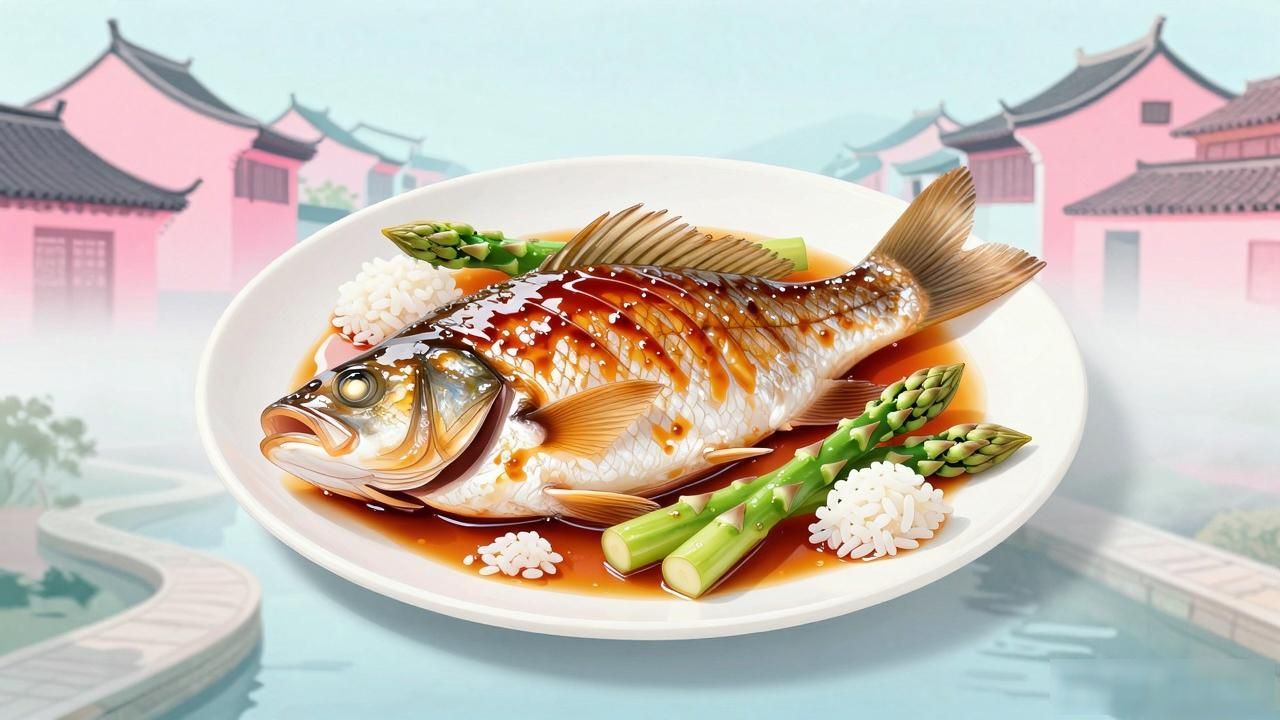
Eastern regions like Jiangsu and Zhejiang offer a contrasting elegance. The food here is sweet, light, and visually artistic. Hangzhou cuisine is known for dishes like West Lake Vinegar Fish, which balances sour and sweet notes perfectly. These areas benefit from abundant water resources, making freshwater fish and river shrimp central to their diet. The presentation is meticulous, often resembling small sculptures. This style appeals to those seeking refinement over intensity, showcasing the agricultural wealth of the Yangtze River delta.
Exploring regional Chinese food requires stepping away from standardized takeout menus. Each area offers distinct ingredients, techniques, and histories. By understanding these variations, one gains a deeper appreciation for the culture behind the meals. It is not just about eating; it is about experiencing the diversity of a vast nation through its most universal language: taste.