
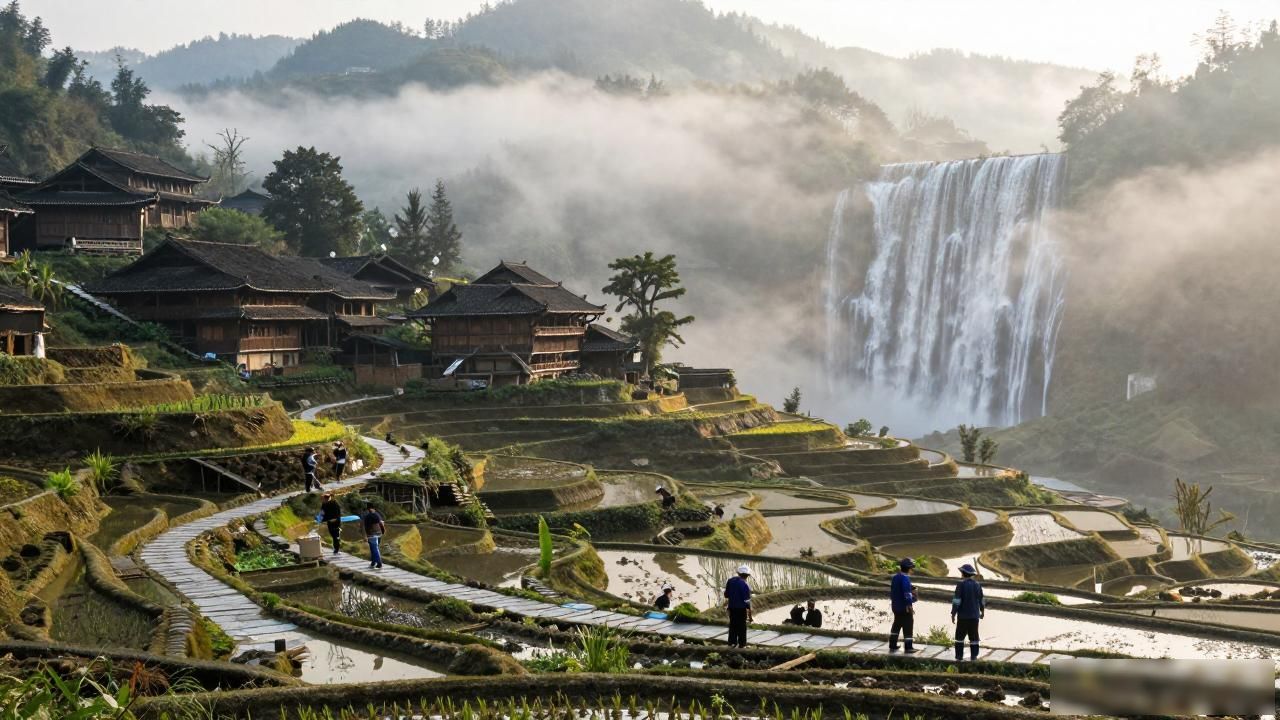
Guizhou is often defined by its spectacular waterfalls and karst peaks, but the true soul of this province lies in the quiet, mist-shrouded villages tucked away in its rugged mountains. For travelers seeking authenticity beyond the tourist trail, these hidden enclaves offer a profound connection to traditional Chinese ethnic cultures, particularly among the Miao and Dong communities. This guide reveals how to escape the crowds and experience the raw, unfiltered beauty of Guizhou’s interior.
How to Find Remote Villages in Guizhou Mountains

Most visitors stick to well-known spots like Huangguoshu or Libo, missing out on the serene landscapes that define rural Guizhou. To discover these hidden gems, you must look toward the lesser-visited counties in Qiannan and Qiandongnan prefectures. Places like Danzhai County or specific townships in Leishan County remain largely untouched by mass tourism. The key is to use local transportation rather than relying on guided tours from major cities. Renting a car with a driver who knows the backroads allows access to villages perched on cliffs or nestled in deep valleys. These areas are not just scenic; they are living museums of ancient agricultural practices and architectural heritage.
The journey itself is part of the reward. Winding roads climb through terraced rice paddies that shift colors with the seasons. In spring, the fields are mirror-like pools reflecting the sky. By late summer, they turn into a vibrant green carpet. You will encounter farmers working their land with methods unchanged for centuries. This slow pace invites reflection. It is a stark contrast to the frenetic energy of urban China. Engaging with locals here requires patience and respect. A simple smile or a gesture towards their crops can open doors to genuine hospitality.
Best Time to Visit and Cultural Etiquette Tips
Timing your visit is crucial for experiencing Guizhou’s hidden mountains at their best. The ideal window runs from April to October. During these months, the weather is mild, and the landscapes are lush. Avoid the peak summer holidays if you want solitude. Early morning is the most magical time. Mist clings to the mountains, creating an ethereal atmosphere perfect for photography. The light is soft, and the air is crisp. This is when the villages feel most alive yet peaceful.
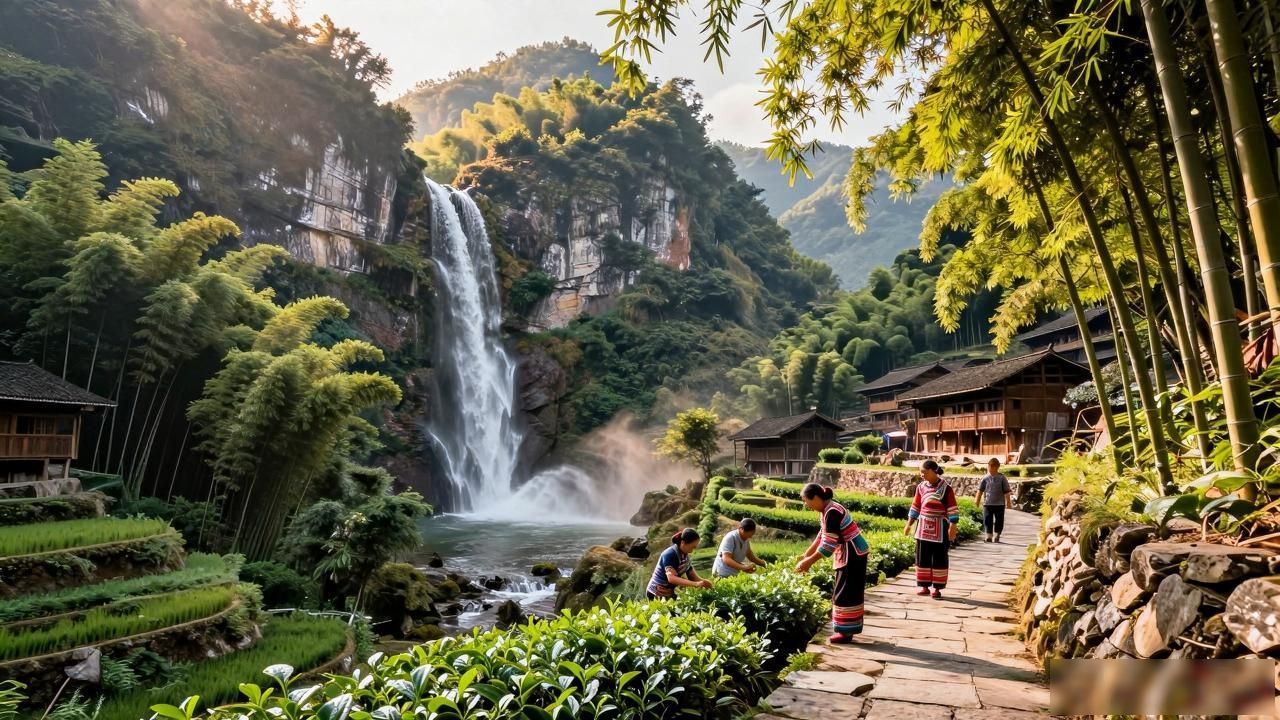
Cultural sensitivity is paramount when entering these communities. Many residents belong to ethnic minority groups with rich traditions. Always ask permission before taking photos of people or their homes. Dress modestly,especially when visiting ancestral halls or local temples. Participating in traditional festivals, such as the Miao New Year or the Drum Song Festival, offers a deep dive into local life. Bring small gifts like fruit or snacks when invited into someone’s home. It is a sign of respect. Listening more than speaking helps build trust. These interactions transform a simple trip into a meaningful cross-cultural exchange.