
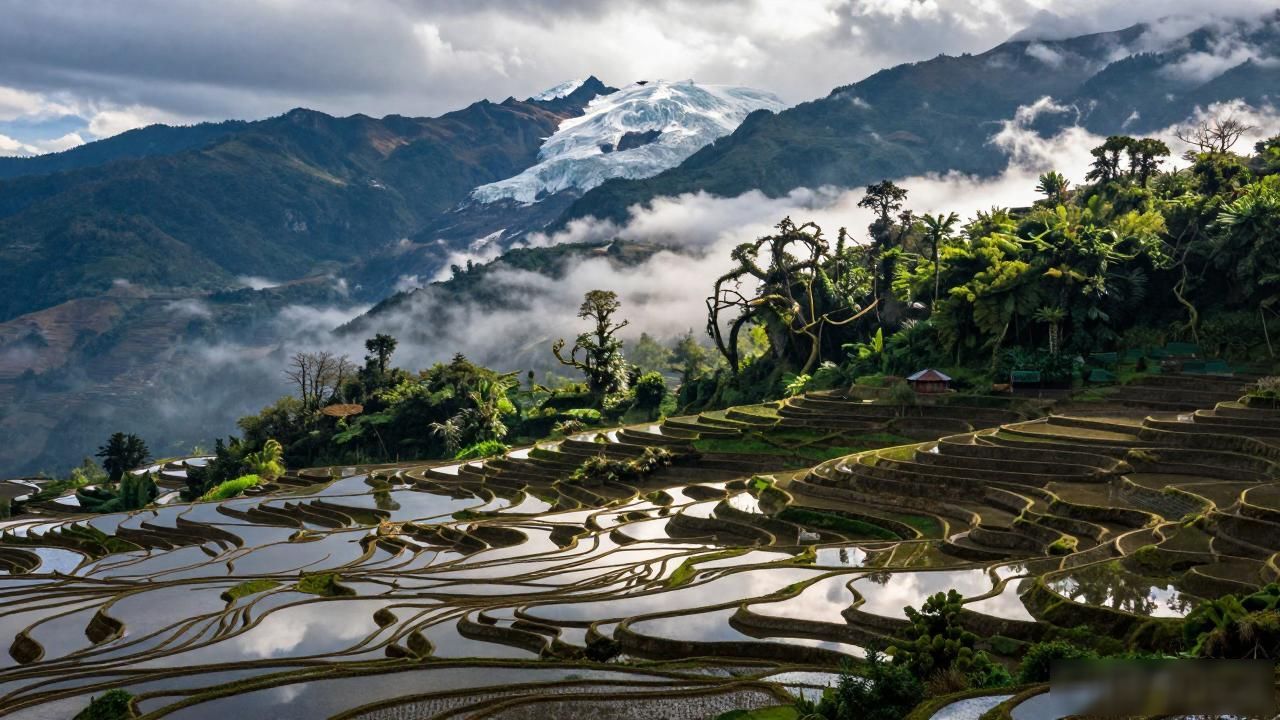
Yunnan is not just a destination; it is an immersion into Earth’s raw, unfiltered soul. This province in southwest China offers a staggering diversity of landscapes that defy simple description. From the mist-shrouded peaks of Jade Dragon Snow Mountain to the turquoise waters of Lugu Lake,the region provides a visual feast that appeals to adventurers and peace-seekers alike. I have spent countless hours wandering these trails, capturing moments where nature feels both ancient and immediate. The air here is thin, crisp, and filled with the scent of pine and wildflowers. It is a place where time slows down, allowing you to truly see the world through a different lens.
What makes Yunnan natural scenery travel unique?

The magic of Yunnan lies in its verticality. You can stand on a glacier and look out over a subtropical jungle within the same day. This geological drama creates microclimates that support an incredible variety of flora and fauna. The terraced fields of Yuanyang, carved by the Hani people centuries ago, shift colors with the seasons and the light. They are a testament to human harmony with nature, rather than domination over it. Walking through these fields at sunrise offers a spiritual experience that photography alone cannot capture. The reflection of the sky in the water-filled paddies turns the landscape into a giant mirror.
Furthermore, the biodiversity here is unmatched. It is home to the Asian elephant, the snow leopard, and thousands of species of birds and insects. The forests are dense with moss-covered trees and ancient pines. Every step reveals something new, something hidden from casual observers. The local communities live close to the land, their traditions intertwined with the natural cycles. This cultural depth adds layers of meaning to the scenery. You are not just looking at mountains; you are witnessing a way of life that has survived for generations.
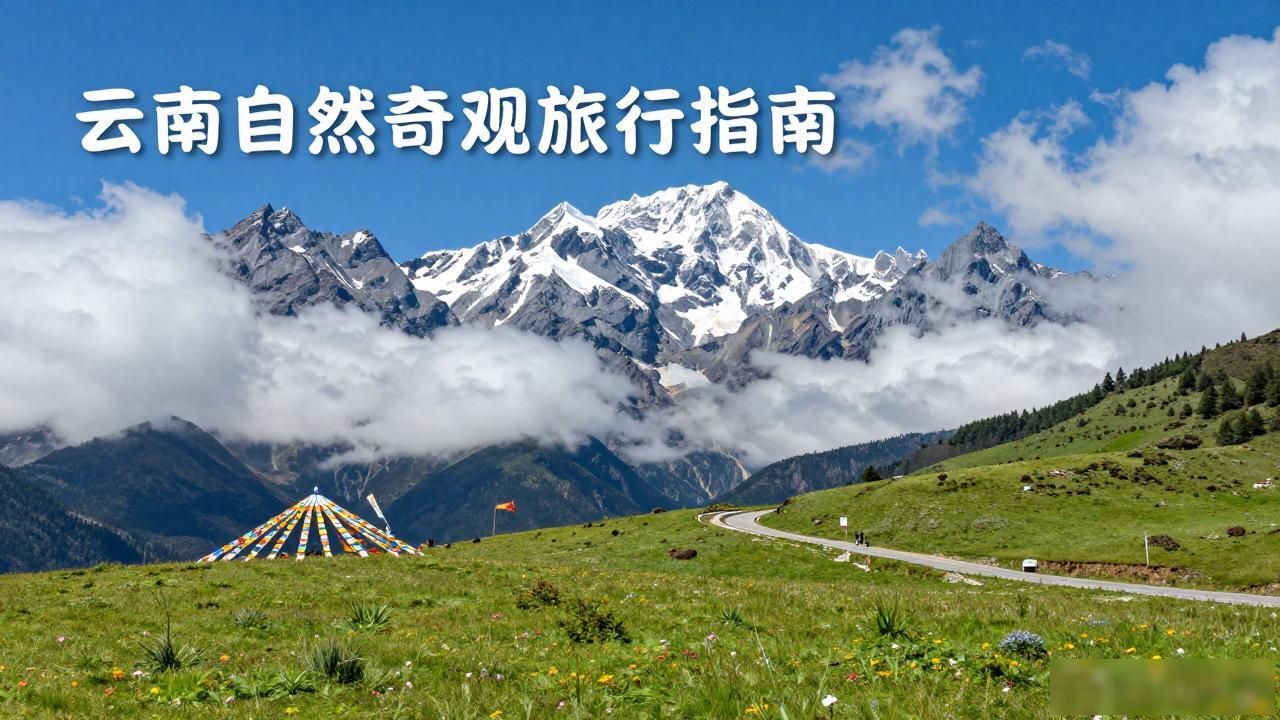
How to plan your trip to Yunnan’s natural wonders?
Planning requires flexibility and respect for the environment. Yunnan is vast, and trying to see everything in a short time leads to burnout. Focus on one or two regions deeply. Shaxi Ancient Town offers a quiet escape with its well-preserved architecture and surrounding hills. Dali provides easier access to Erhai Lake and the Cangshan Mountains. Lijiang serves as a gateway to the northern highlands, but venturing away from the tourist center reveals the true wilderness. Choose homestays in villages rather than large hotels to connect with locals.
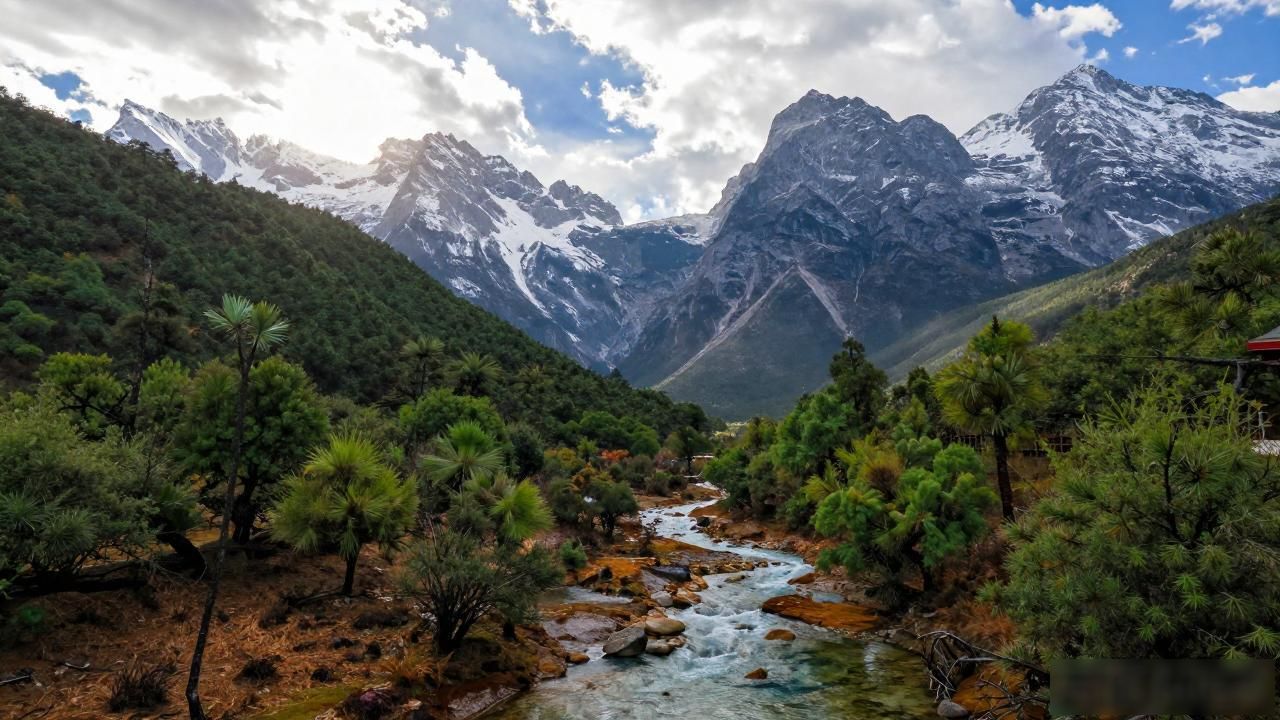
Pack for all weather conditions, even in summer. Mountain weather changes rapidly. Rain boots are essential for trekking after storms. Bring binoculars to spot wildlife in the national parks. The best times to visit are spring and autumn when the skies are clear and the temperatures are mild. Avoid major holidays to ensure solitude. Engage with local guides who know the secret spots off the beaten path. Their knowledge enhances the experience significantly. Let the journey guide you, not a rigid itinerary. Stay open to spontaneous detours that often lead to the most memorable views. Trust the process and let the landscape speak to you.