
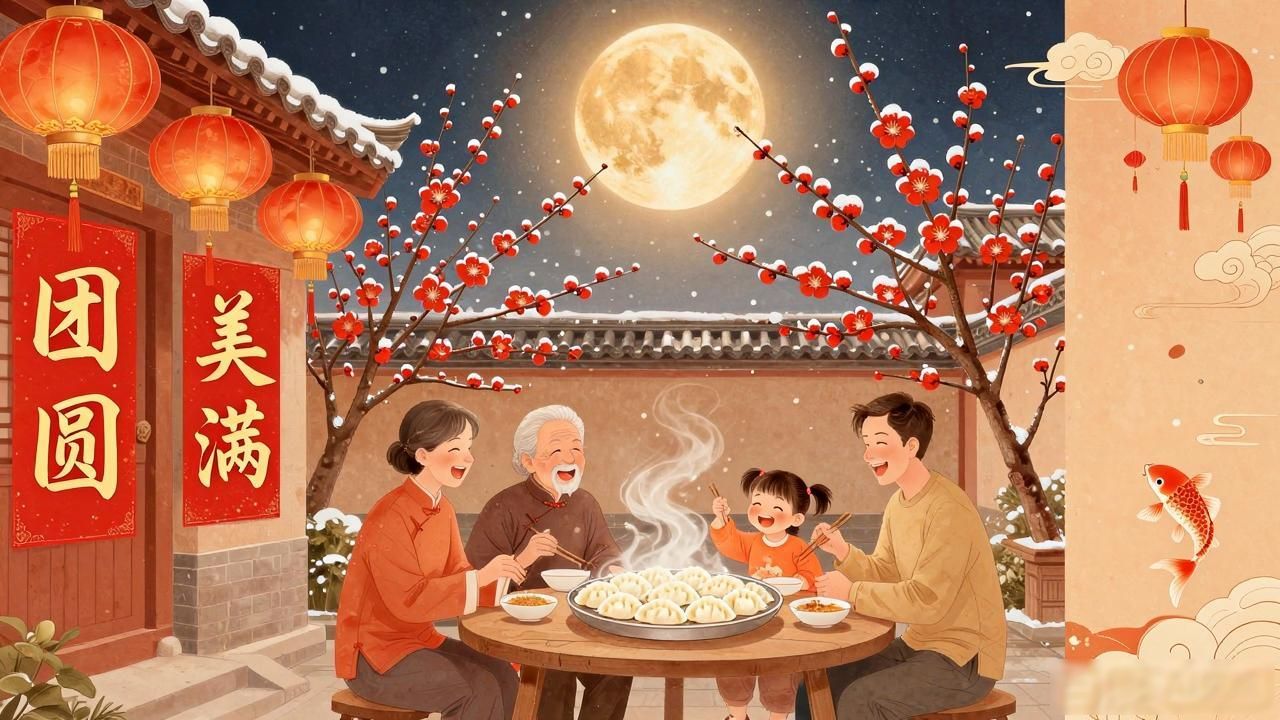
If you’ve ever been curious about Traditional Chinese festivals but don’t know where to start, you’re not alone. Many people outside China find these celebrations fascinating yet confusing. The truth is, these festivals are not just about colorful parades or eating special foods. They carry deep cultural meaning shaped by thousands of years of history, family values, and seasonal changes. From the Lunar New Year to the Mid-Autumn Festival, each event reflects a unique way of seeing the world.

How Traditional Chinese festivals connect to family and nature
At the heart of most Traditional Chinese festivals is a strong sense of family reunion. Take the Spring Festival, for example. It’s not just a holiday. It’s the one time of year when people travel across the country just to sit at the same dinner table with their parents and grandparents. The food served, like dumplings and fish, is chosen not just for taste but for their symbolic meanings. Dumplings represent wealth because of their shape, while fish stands for surplus. Nature also plays a big role. The Qingming Festival, or Tomb Sweeping Day, happens in early spring when nature wakes up. Families go to clean ancestors’ graves, but they also enjoy the fresh air and blooming flowers. This mix of honoring the past and appreciating the present makes the festival deeply human.
What makes Traditional Chinese festivals different from Western holidays
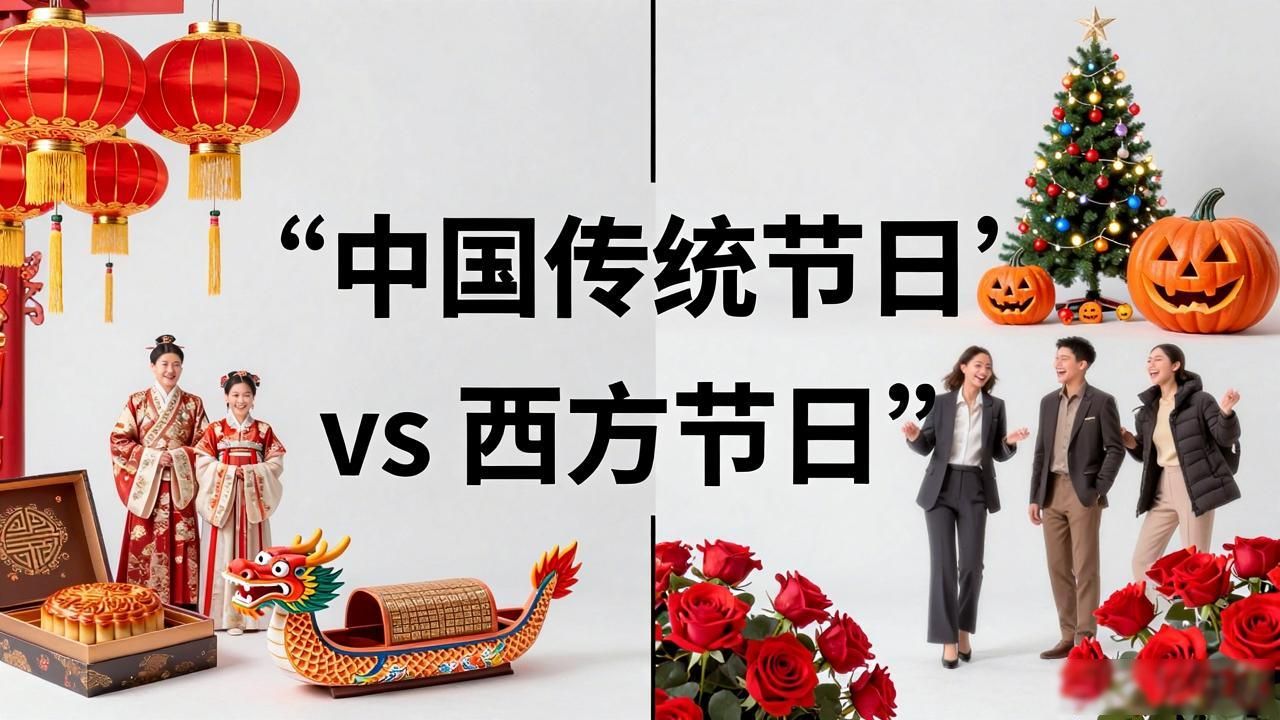
Many Western holidays, like Christmas or Thanksgiving, also focus on family and gratitude. But Traditional Chinese festivals often follow a lunar calendar, which means their dates change every year. This can make them feel mysterious or unpredictable to outsiders. Another difference is the strong connection to ancient myths and legends. The Dragon Boat Festival, for instance, honors a poet named Qu Yuan who lived over two thousand years ago. People eat zongzi and race dragon boats to remember his sacrifice. These stories are passed down through generations and give each festival a layer of emotional depth that goes beyond simple celebration. The rituals, like hanging mugwort or making mooncakes, are not just traditions. They are ways of keeping history alive in everyday life.
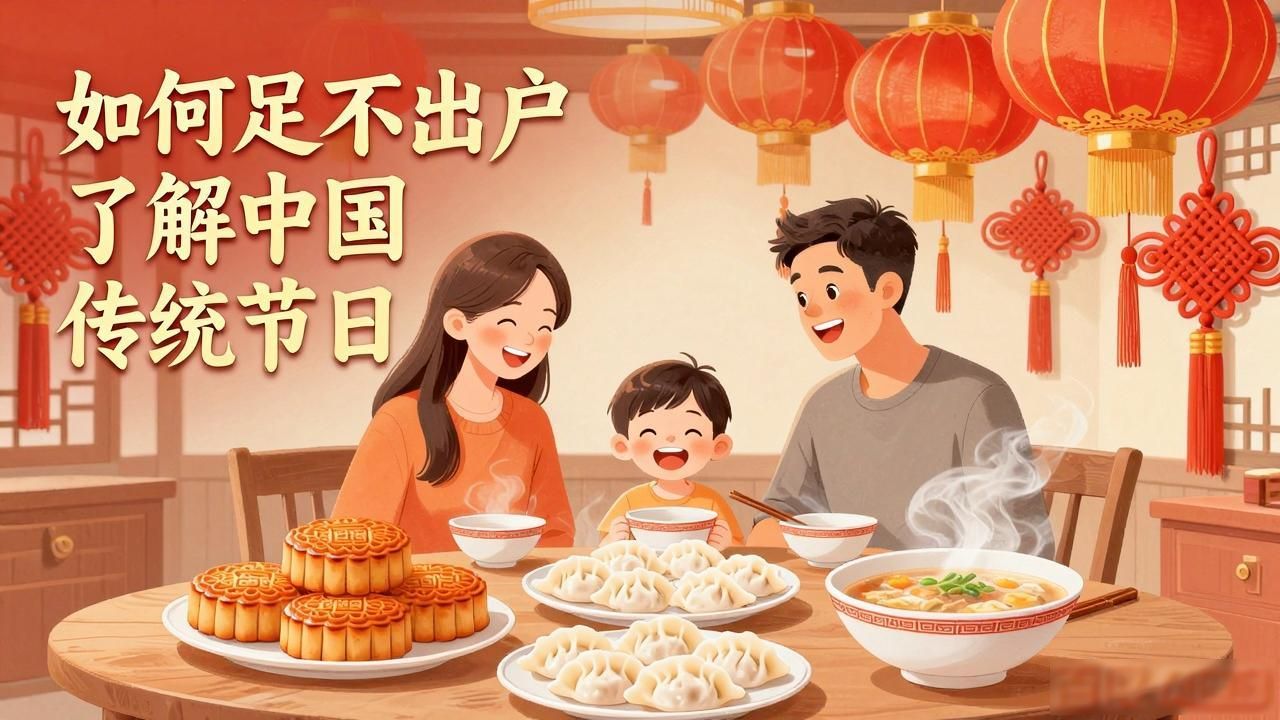
One thing I’ve noticed is that for people outside China, the sheer number of traditions can feel overwhelming. But it helps to approach them like you would a new friend. Start with one festival, learn its story,and then try a small ritual at home. You don’t need to be Chinese to appreciate the beauty of lighting a lantern during the Lantern Festival or sharing mooncakes under the full moon during the Mid-Autumn Festival. These moments are universal. They remind us that no matter where we come from, we all need connection, remembrance, and joy.