
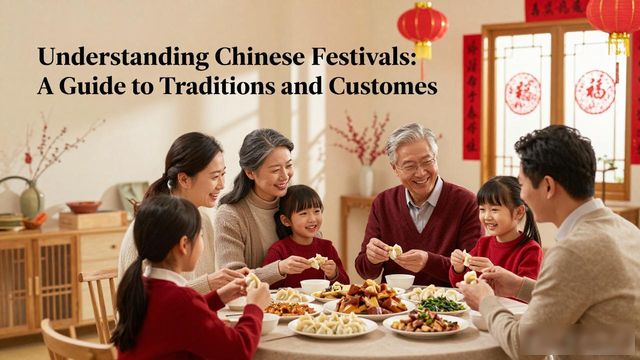
Traditional Chinese festivals are deeply tied to the lunar calendar, agricultural cycles, and family values. They are not just days off—they are living expressions of thousands of years of history, philosophy, and community life. Each festival carries its own set of rituals, foods, and meanings that are still practiced today across China and in Chinese communities worldwide.

Why do Chinese festivals focus so much on family reunion
The idea of reunion is central to many Chinese festivals, especially the Spring Festival and the Mid-Autumn Festival. This comes from the Confucian value of filial piety, which places family at the heart of social order. On New Year’s Eve, families gather for a grand dinner that often includes fish, dumplings, and sticky rice cakes. The round shape of the mooncake during Mid-Autumn symbolizes completeness and togetherness. For Chinese people living abroad, these festivals are the strongest emotional anchors. They book flights months in advance just to sit at the same table with parents and grandparents. Even in modern cities, the pressure to return home during these holidays is immense. The railway system runs extra trains, and the highways are packed. It’s not just tradition—it’s a cultural necessity.
How do food and rituals carry deeper meanings
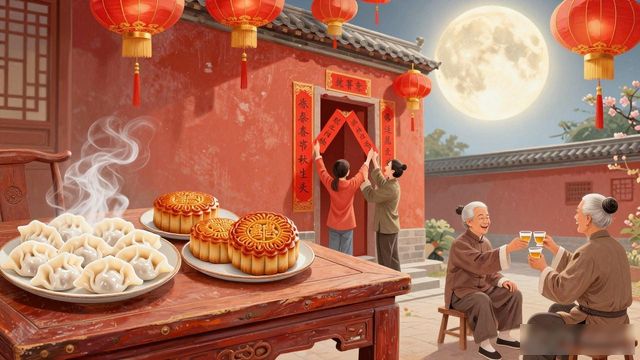
Food in Chinese festivals is never random. Each dish is chosen for its symbolic meaning. Dumplings resemble ancient silver ingots, so eating them during Spring Festival is believed to bring wealth. Zongzi, the sticky rice wrapped in bamboo leaves during the Dragon Boat Festival, commemorates the poet Qu Yuan. Long noodles eaten during birthday celebrations represent long life. Rituals are equally symbolic. During the Qingming Festival, families sweep graves, offer food and burn paper money to honor ancestors. This is not superstition in the modern sense—it is a way to maintain a spiritual connection with those who came before. The red envelopes given during Spring Festival are not just money; they are blessings meant to ward off evil spirits. Every action,from lighting firecrackers to hanging lanterns, has a story behind it. These customs help people feel grounded in a rapidly changing world.
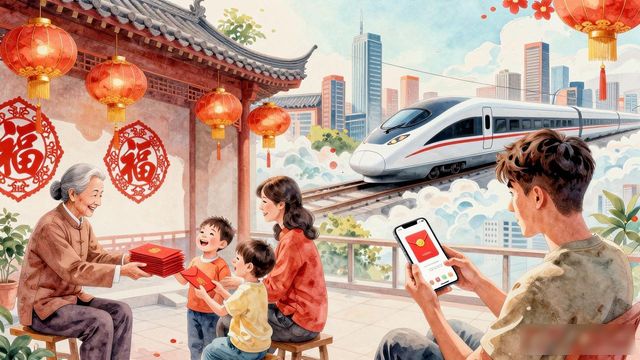
Chinese festivals are not fading away. They are evolving. Young people may celebrate in new ways, like sending digital red envelopes or traveling during the holidays, but the core values of respect, family, and continuity remain strong. Understanding these customs offers a window into the Chinese way of life—where the past is never truly gone, and every festival is a chance to reconnect.