

Hutong transportation means are as unique as the narrow alleyways themselves. These ancient lanes, dating back centuries, were never designed for modern vehicles. Most hutongs are only about 3 to 5 meters wide, barely enough for two bicycles to pass side by side. Cars often struggle to squeeze through, and parking is nearly impossible. Understanding how locals actually move through these historic neighborhoods is essential for any visitor hoping to explore beyond the main tourist streets.
Can you really take a taxi into a hutong

Taxis can enter some wider hutongs but drivers often refuse. The main reason is simple: once inside, they may get stuck behind delivery tricycles or encounter dead ends. Many taxi drivers also worry about damaging their cars on narrow stone curbs. When they do agree, they’ll usually drop you off at the nearest main hutong entrance rather than driving deep inside.
If you must use a taxi, always ask the driver first by pointing to your map. Have a backup plan ready. From my experience living near Nanluoguxiang, I’ve learned to walk an extra block to a major avenue before hailing a cab. It saves everyone frustration. The old Beijing trick is to take a taxi to a recognizable landmark at the edge of a hutong area, then walk the rest.
Is walking or biking better inside hutongs
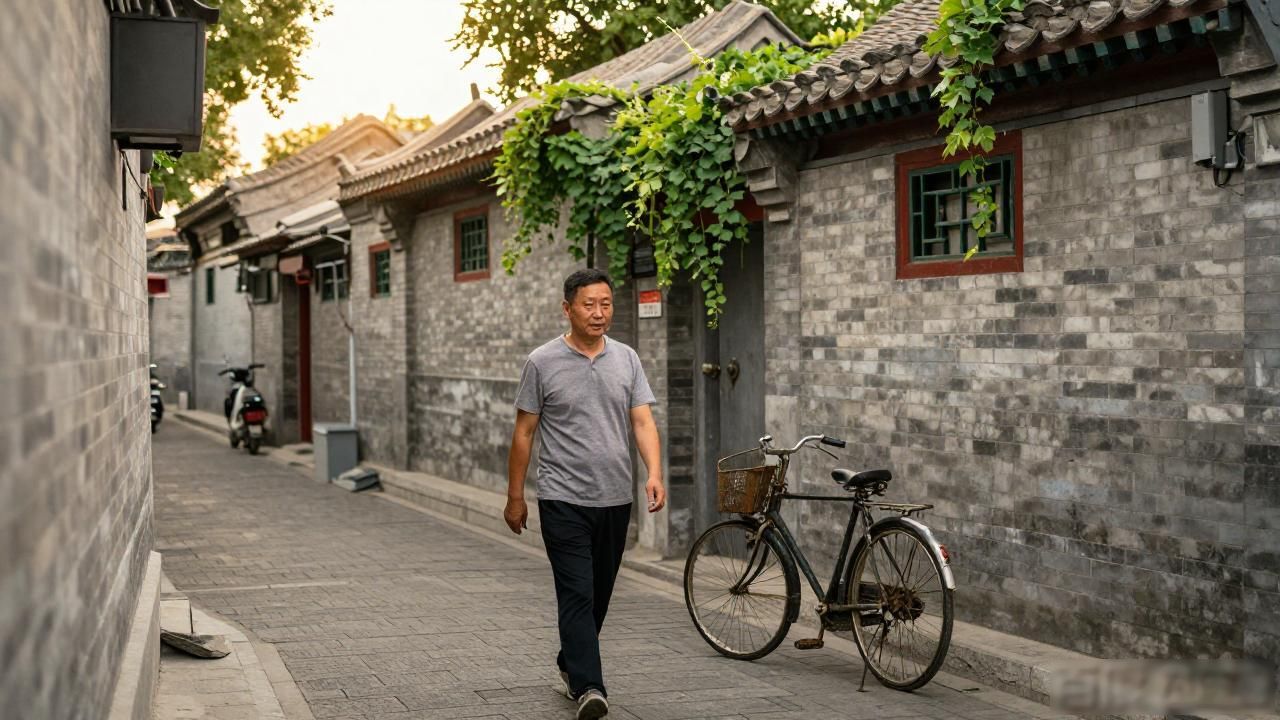
Walking is by far the most reliable hutong transportation means. You can peek into courtyard homes, stop for street food, and truly absorb the atmosphere. But don’t underestimate the humble bicycle. Locals have used bikes for generations, weaving through crowds with practiced ease. Electric bikes have become especially popular recently,silent and quick.
Renting a bicycle costs around 20 to 30 yuan per day from shops near hutong clusters. The trick is to walk first to get your bearings, then bike to cover more ground. I once walked 8 kilometers through hutongs in a single afternoon and regretted not renting a bike halfway through. Your feet will thank you if you combine both methods. Just watch out for the occasional motorbike zipping around corners.

Pedal-powered tricycles, called sanlunche, offer a middle ground. Drivers charge around 50 to 100 yuan for a 30-minute tour through multiple hutongs. They know shortcuts and historical stories most guides miss. It’s not the fastest option, but it’s certainly the most atmospheric.
In the end, the best approach is mixing walking, biking, and the occasional tricycle ride. Each method gives you a different perspective on daily life in these ancient alleyways. And whether you’re dodging a delivery bike or stopping to photograph a stone lion, you’re participating in a tradition that has kept Beijing’s hutongs alive for centuries. The journey through these narrow lanes is always part of the destination.