
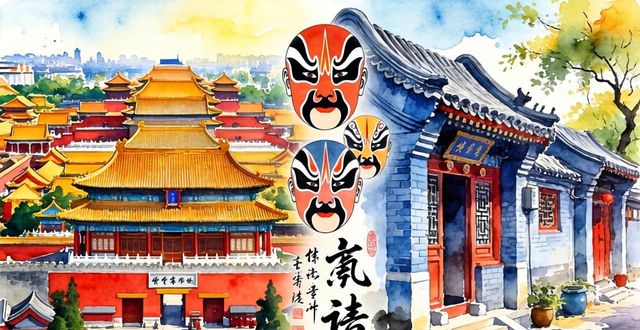
Beijing is not just China’s political heart but also a living museum of Chinese culture, where ancient traditions blend seamlessly with modern life. For foreign visitors, understanding this culture can transform a simple trip into an unforgettable journey. From the winding hutongs to the grand Forbidden City, every corner tells a story. This guide will help you navigate the most authentic cultural experiences in Beijing, answering your key questions along the way.
What makes Beijing’s hutongs unique?

Hutongs are narrow alleyways formed by rows of siheyuan (courtyard homes), and they represent the true soul of old Beijing. Unlike the skyscrapers, these maze-like neighborhoods have existed for over 700 years, with some dating back to the Yuan Dynasty. Walking through a hutong, you will see locals playing chess, drying clothes, or cooking dinner – scenes unchanged for generations. To truly appreciate them, take a rickshaw tour or simply wander on foot. You will discover hidden temples, tiny family-run restaurants, and the famous “hutong cats” that everyone loves. This is where Beijingers actually live, not just a tourist display.
How to experience Peking opera like a local?
Peking opera is a stunning combination of singing, acrobatics, and elaborate costumes, and it has been performed for over 200 years. The key is to watch it at a traditional venue like the Liyuan Theatre or Huguang Guildhall, where the atmosphere feels historic. Before the show, learn the basic symbols: red face means loyalty,white means treachery, and black means honesty. You do not need to understand every word; instead, focus on the graceful movements and the incredible high-pitched singing. Many theaters offer English subtitles or a brief introduction in English. Arrive early to see the performers putting on their makeup – that alone is a cultural lesson.
Where to find authentic Beijing cuisine?
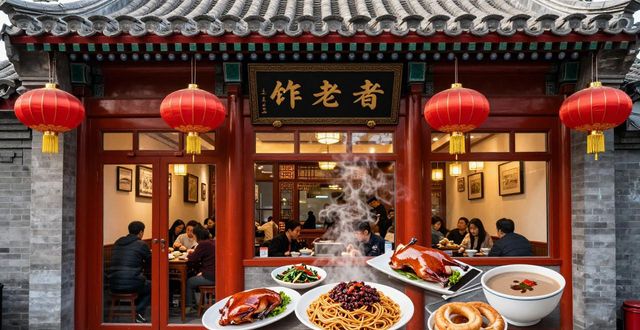
Beijing’s food goes far beyond Peking duck, though that dish deserves all its fame. The most authentic duck is roasted in a closed oven using fruitwood, then sliced right at your table. Wrap the crispy skin and tender meat in a thin pancake with cucumber, scallions, and sweet bean sauce. But do not stop there. Head to the hutongs for zhajiangmian (noodles with fried sauce in soybean paste) – a hearty meal loved by locals. Another must-try is hot pot, especially during winter, where you cook raw meat and vegetables in a bubbling broth. For the brave, try douzhi (fermented mung bean drink) at a breakfast stall; it has a sour, acquired taste that only locals adore.
Why are the Forbidden City and temples so important?
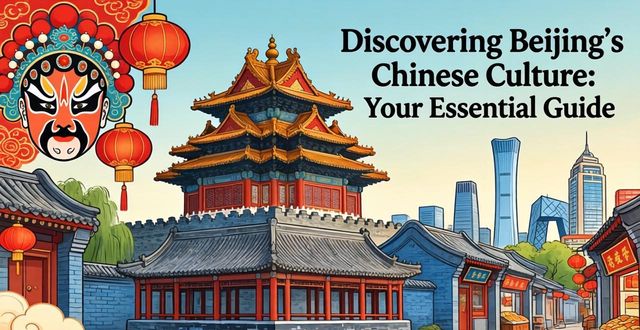
The Forbidden City was the political and ceremonial center for 24 emperors over almost 500 years, and its design reflects core Chinese beliefs. The buildings are arranged along a north-south axis, symbolizing the emperor’s role as the link between heaven and earth. The use of yellow roof tiles (the emperor’s color) and nine-headed dragons on decorations shows ancient ideas of power and harmony. Nearby temples like the Temple of Heaven offer another layer: emperors prayed there for good harvests. Notice how every gate, bridge, and stone carving has a purpose – nothing is random. A good audio guide or a local docent will reveal these hidden meanings, turning stones into stories.
Now that you have a taste of Beijing’s cultural treasures, which experience would you choose first – exploring a hutong, watching Peking opera, or tasting real Peking duck? Share your choice and questions in the comments below, and do not forget to like and share this guide with fellow travelers. Your journey into Chinese culture starts here!