
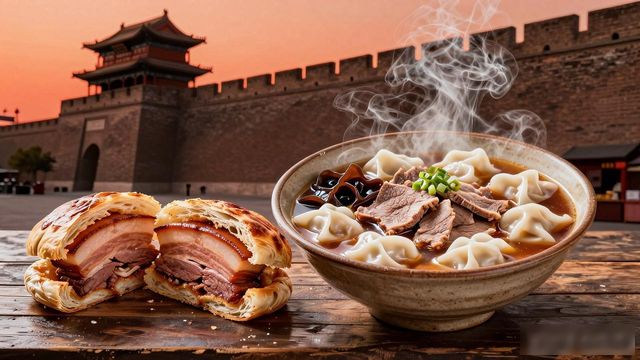
Xi’an, the ancient capital of China, offers a fascinating food culture that goes far beyond what most travelers expect. As a city sitting at the crossroads of the Silk Road, its cuisine blends Central Asian, Middle Eastern, and traditional Chinese flavors in a way that feels both exotic and deeply comforting. You are about to explore some of the most unforgettable dishes this city has to offer.

What makes Xi’an food special
The secret to Xi’an’s food lies in its wheat-based traditions and bold seasoning. Unlike the rice-heavy cuisine of southern China, Xi’an meals center around hand-pulled noodles, flatbreads, and steamed buns. Spices like cumin, chili, and Sichuan pepper play a starring role,giving dishes a smoky, aromatic kick. Lamb and mutton are common proteins, reflecting the influence of the Hui Muslim community that has shaped local cooking for centuries. Street stalls and family-run eateries are where you will find the most authentic versions of these dishes, often prepared using techniques passed down through generations. The food here is not delicate or fussy, it is hearty, rustic, and made to be eaten on the go.
Which dishes should you try first
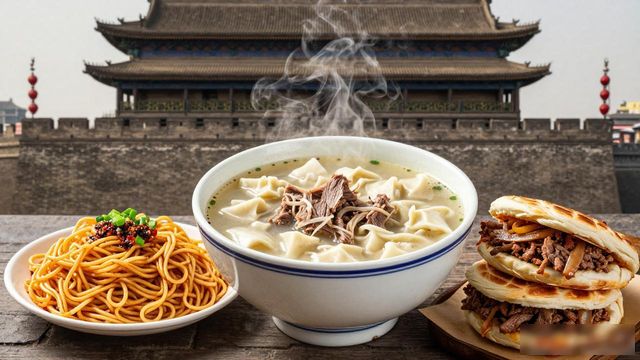
If you can only eat a few things, start with the legendary Yangrou Paomo, a lamb soup with crumbled flatbread that you tear into the broth yourself. This dish is a ritual as much as a meal, and locals take it very seriously. Next, try Biangbiang noodles, thick, hand-pulled ribbons served with chili oil, garlic, and sometimes ground pork. The name comes from the sound the noodles make when slapped against the counter. For something quick, grab a Jianbing, a savory crepe filled with egg, crispy wonton, and hoisin sauce, often eaten for breakfast. And do not leave without tasting the Street Barbecue, lamb skewers seasoned with cumin and chili, grilled over charcoal until smoky and tender. Many vendors set up at night near the Drum Tower, creating a lively scene you will not forget.
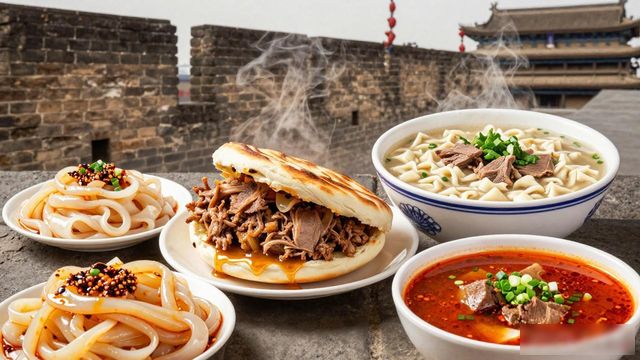
Xi’an food is not about fine dining or complicated presentation. It is about bold flavors, communal eating, and centuries of tradition still alive in every bite. If you are planning a trip here, let your appetite be your guide, and you will leave with memories as rich as the dishes themselves.