
Zhengzhou is the capital of Henan Province and a major transportation hub in central China. Many travelers pass through it without stopping, but that is a missed opportunity. The city offers a deep look into ancient Chinese civilization, with sites dating back thousands of years. It is also a modern city with vibrant food markets and convenient infrastructure. This guide will help you understand what to see, where to eat, and how to get around.
Is Zhengzhou worth visiting for history lovers
Zhengzhou is one of the eight ancient capitals of China and sits at the heart of the Central Plains, where Chinese civilization first flourished. The Shaolin Temple, about 90 minutes from the city center, is arguably the most famous attraction. It is the birthplace of Zen Buddhism and Shaolin Kung Fu. You can watch monks perform martial arts demonstrations, explore ancient halls, and hike the nearby Songshan Mountain.
The Henan Museum is another must-visit. It houses over 170,000 artifacts,including bronze vessels from the Shang Dynasty and jade pieces from the Zhou Dynasty. The museum is well-organized and has English descriptions for most exhibits. You will need at least two hours to go through the main halls. For a deeper experience, consider joining a guided tour that focuses on the museum’s top ten treasures.

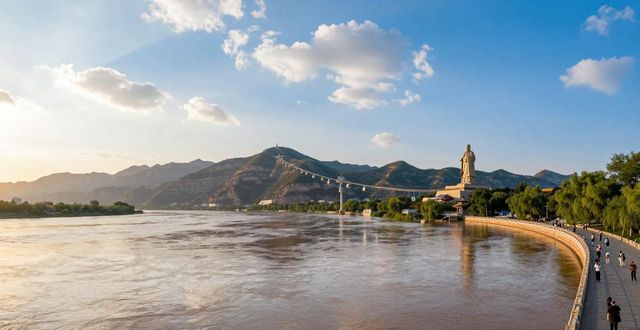
The Yellow River Scenic Area lies just north of the city. This is where the river widens and slows down, offering a peaceful landscape. You can take a cable car to the top of the mountain for a panoramic view, visit the炎帝 and黄帝 statues, or walk along the riverbank. The site is especially beautiful in autumn and spring.
What local food should you try in Zhengzhou
Henan cuisine is less known internationally than Sichuan or Cantonese food, but it has a distinct character. The most iconic dish is Huimian, a bowl of thick wheat noodles in a rich lamb or beef broth. The soup is simmered for hours with bones and spices, and the noodles are hand-pulled. You can find Huimian at dedicated noodle shops all over the city. One well-known chain is Heji Huimian, which has been operating since the 1980s.
Another local specialty is Jiangmian, a steamed noodle dish layered with pork belly and vegetables. The noodles absorb the fat and flavor from the meat, becoming soft and savory. This dish is less common in restaurants but is often served at family dinners. If you have a chance to dine with locals, ask them about it.
Night markets are the best places to sample a variety of street food. The Erqi Square area and the nearby Wanda Plaza have bustling food stalls after dark. You can try grilled lamb skewers, fried dumplings, and sweet potato balls. The market atmosphere is lively, and prices are very reasonable. One tip: bring cash or use Alipay, as many small vendors do not accept foreign credit cards.

How to get around Zhengzhou as a foreign traveler
The Zhengzhou Metro is clean, efficient, and affordable. It covers most tourist areas, including the Erqi Tower, the train station, and the convention center. Ticket machines have an English language option, and station names are announced in both Chinese and English. A single ride costs between 2 and 5 RMB depending on distance. You can also buy a tourist pass for unlimited rides over one or three days.
Taxis are widely available, but drivers rarely speak English. It is a good idea to have your destination written in Chinese characters on your phone. Didi, the Chinese ride-hailing app, also works in Zhengzhou and has an English interface. The city is relatively flat, so walking is pleasant in the central districts. Electric bike rentals are becoming more popular, but traffic can be chaotic, so caution is advised.
For trips to the Shaolin Temple, you can take a direct bus from the Zhengzhou Central Bus Station. The journey takes about 90 minutes and costs around 30 RMB. Buses run every 30 minutes from early morning to late afternoon. Alternatively, you can book a private driver through your hotel or a travel platform like Ctrip. This costs more but offers flexibility and comfort.
What is the best time to visit Zhengzhou
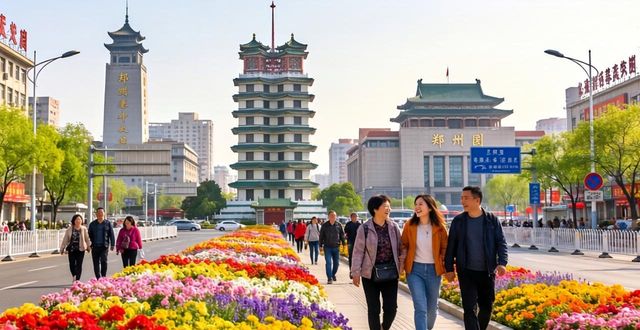
Spring and autumn are the most comfortable seasons. March to May brings mild temperatures and blooming flowers. The city is less crowded than during the summer holidays. October to November offers crisp air and clear skies, perfect for outdoor sightseeing. Winter is cold, with temperatures often dropping below freezing, but it is also the driest season, and many indoor attractions like museums are less busy.
Summer is hot and humid, with frequent rain showers. If you visit in July or August, plan your activities in the morning or late afternoon. Carry an umbrella and stay hydrated. The Yellow River Scenic Area can be especially hot during midday. Despite the heat, summer is when the Shaolin Temple holds special cultural performances, so it may still be worth considering.
Festivals add another layer to your visit. The Chinese New Year period in January or February brings lantern displays and temple fairs, but many shops close for a week. The Zhengzhou International Shaolin Wushu Festival in October attracts martial arts enthusiasts from around the world. If you are interested in kung fu, this is the perfect time to come.
Zhengzhou is a city that rewards curious travelers. Its ancient roots and modern energy create a unique travel experience. From the spiritual heart of Shaolin to the savory bowls of Huimian, every stop offers a story worth discovering. Pack comfortable shoes, bring an open mind, and enjoy the journey.