
China is a land of ancient customs and timeless values. Its culture traditions are not just relics of the past—they are living practices that shape daily life, festivals, and even business etiquette. From the philosophy of Confucius to the art of tea, these traditions offer a window into the soul of one of the world’s oldest civilizations. This article explores two key aspects of Chinese culture that continue to influence millions of people around the globe.
What makes Chinese festivals so unique

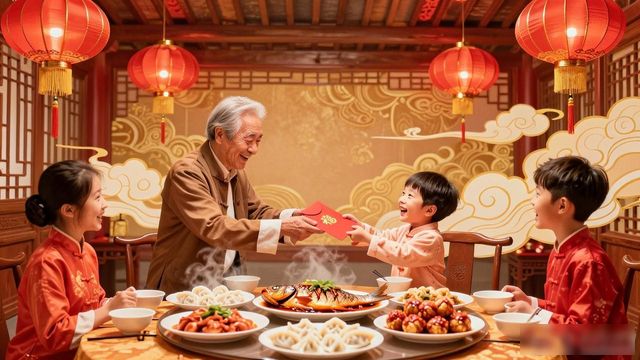
Chinese festivals are deeply rooted in the lunar calendar and often carry centuries-old stories. The Spring Festival, or Chinese New Year, is the most important holiday. Families travel across the country to reunite, share meals, and give red envelopes filled with money for good luck. The Dragon Boat Festival honors the poet Qu Yuan with dragon boat races and sticky rice dumplings wrapped in bamboo leaves. These celebrations are not just about fun—they reinforce family bonds and respect for ancestors.
Another major festival is the Mid-Autumn Festival, when families gather to admire the full moon and eat mooncakes. The round shape of the mooncake symbolizes unity and completeness. These traditions teach values like gratitude, harmony, and filial piety. For foreigners, experiencing these festivals can be a profound way to understand Chinese emotional depth and social structure.
How do Chinese traditions influence modern life
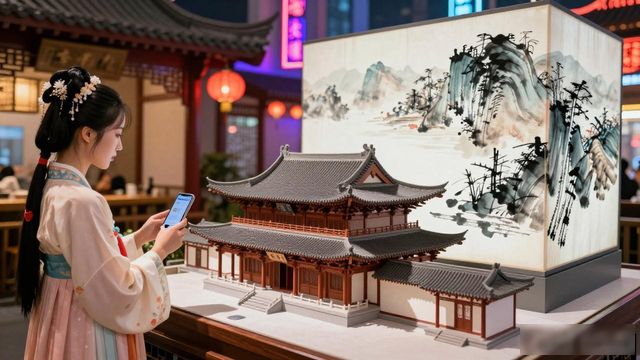
Even in fast-paced modern cities, Chinese culture traditions remain strong. The practice of feng shui, for example, is still used to arrange homes and offices for better energy flow. Traditional Chinese medicine, including acupuncture and herbal remedies, is widely respected alongside Western medicine. Calligraphy and tea ceremonies are still taught in schools and practiced as forms of meditation and self-discipline.
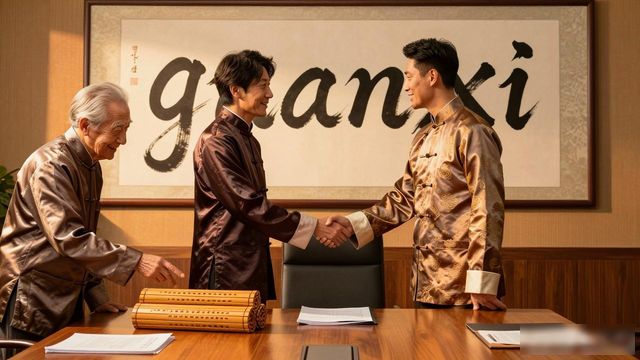
Business culture also reflects traditional values. Building trust through personal relationships,or guanxi, is essential before closing deals. Respect for elders and hierarchy is expected in meetings and social gatherings. These habits come from Confucian teachings that emphasize order, loyalty, and mutual respect. Understanding these traditions helps foreigners navigate social and professional settings in China more smoothly.
Chinese culture traditions are not frozen in time—they adapt while preserving their core. Whether you are visiting China or simply curious about its heritage, exploring these traditions offers a richer understanding of how millions of people think, celebrate, and connect with each other. The beauty of these customs lies in their ability to bridge the past and the present.