

China is a country where ancient traditions meet modern life,offering a deep and diverse cultural experience for travelers. Cultural travel in China goes beyond visiting famous landmarks—it is about understanding the history, customs, and daily life of its people. Whether you are interested in ancient temples, traditional festivals, or local cuisine, every region tells a different story. This article will help you plan a meaningful cultural trip by highlighting key destinations and practical advice.

What makes Chinese culture unique for travelers
Chinese culture is one of the oldest in the world, and its richness can be overwhelming for first-time visitors. What sets it apart is the strong connection between history and everyday life. For example, in cities like Xi’an, you can walk on ancient city walls while locals practice tai chi beneath them. In Beijing, the Forbidden City is not just a museum—it is a symbol of imperial power that still shapes the city’s layout and identity. The language, food, and social customs vary greatly from north to south. In Yunnan, you can meet ethnic minority groups who still wear traditional clothing and celebrate ancient festivals. This diversity means that no two trips feel the same. Travelers who want more than just sightseeing will find that engaging with local people, trying street food, and learning a few phrases in Mandarin can turn a simple visit into a life-changing experience.
Which cities offer the best cultural experiences
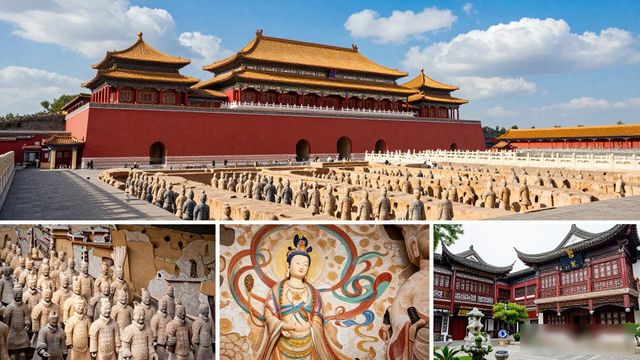
If you are planning cultural travel in China, you should start with Beijing and Xi’an. Beijing offers the Great Wall, the Forbidden City, and hutongs—narrow alleys where you can see how ordinary people live. Xi’an is home to the Terracotta Army and the Muslim Quarter, where you can taste foods influenced by the Silk Road. For a different vibe, head to Chengdu, where you can watch Sichuan opera and visit panda bases while learning about local tea culture. Shanghai is more modern but still has the Yu Garden and old French Concession area. For something off the beaten path, consider Guilin or Lijiang. Guilin’s karst mountains inspired Chinese painters for centuries, and Lijiang is a UNESCO World Heritage site with well-preserved ancient architecture. Each city offers something unique, so your choice should depend on what kind of culture you want to explore—history, food, art, or nature.
A successful cultural trip requires planning but leaves room for spontaneity. Learn about local customs before you go, such as not sticking chopsticks upright in a bowl of rice. Try to visit during a traditional festival like the Spring Festival or the Dragon Boat Festival to see celebrations firsthand. Talk to locals, take public transport, and avoid rushing from one attraction to another. The real culture of China is not just in the monuments—it is in the conversations, the smells, and the small moments you share with people along the way.