
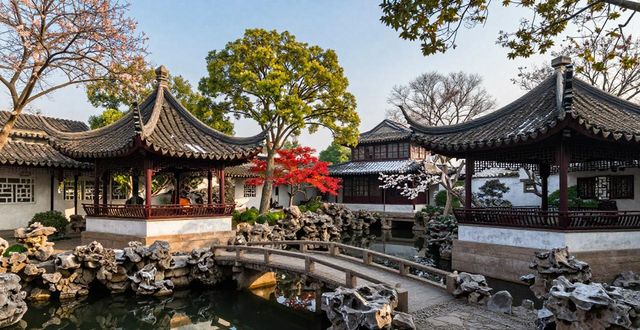
Suzhou Gardens are more than just beautiful landscapes—they reflect a deep history of Chinese art, philosophy, and social life. These classical gardens, built over centuries, show how people in ancient China blended nature with architecture. Understanding their history helps you appreciate why they are considered masterpieces of world heritage.
How Did Suzhou Gardens Begin
The history of Suzhou Gardens goes back over 2,500 years. The earliest gardens appeared during the Spring and Autumn Period when local rulers built private retreats for relaxation and hunting. By the Ming and Qing dynasties, wealthy merchants, retired officials, and scholars started creating their own gardens in Suzhou. They wanted a peaceful escape from busy city life, where they could enjoy nature without leaving home. These gardens were not just for show—they were designed as living spaces for poetry reading, painting, and meditation. Each rock, pond, and pavilion had a symbolic meaning, often inspired by famous mountains or rivers.

What Makes Suzhou Gardens Unique in History
Unlike royal gardens in Beijing, Suzhou Gardens were private and intimate. Owners focused on creating a microcosm of nature within a small area. The designers used techniques like borrowed scenery, where distant towers or trees outside the garden were framed as part of the view. Another key feature is the use of water, rocks, and winding paths to create a sense of mystery and discovery. Many gardens were rebuilt or expanded over generations,so they carry layers of history. For example, the Humble Administrator’s Garden started in the 16th century and was later modified by different owners, each adding their own touch.
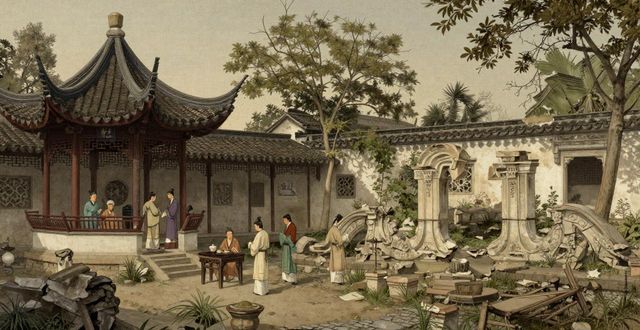
The history of Suzhou Gardens also reflects changes in Chinese society. During the Tang and Song dynasties, gardens became more artistic and philosophical. In the Ming dynasty, garden design became a respected profession. By the 19th century, some gardens fell into neglect due to war and economic decline. Today, nine of these gardens are UNESCO World Heritage sites, preserving their original layout and spirit. Visitors can still walk the same paths that scholars and poets walked hundreds of years ago.