
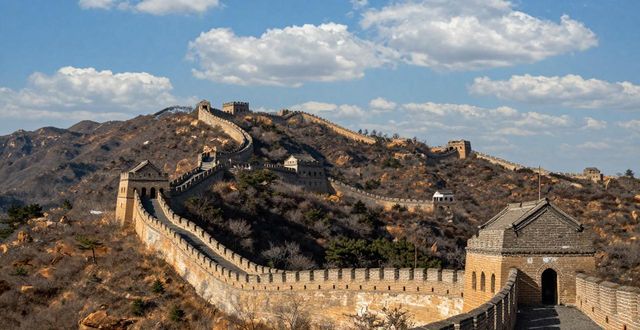
The Great Wall of China is far more than a pile of ancient stones snaking across mountains. It is a living legend of human determination, military strategy, and cultural pride. Winding over 21,000 kilometers, this UNESCO World Heritage site attracts millions of visitors each year. Whether you are a history buff, a hiking lover, or a curious traveler,understanding the Great Wall’s real story will make your visit unforgettable. In this guide, we will answer the most common questions about its length, purpose, best sections, and ideal visiting seasons.
How long is the Great Wall of China actually?
Many people believe the Great Wall stretches about 8,850 kilometers, but that number comes from an older survey. In 2012, China’s State Administration of Cultural Heritage released a new measurement after five years of detailed mapping. The total length of all wall sections built across different dynasties is 21,196.18 kilometers. That includes natural barriers like hills and rivers that were integrated into the defensive system. To put it in perspective, walking the entire wall would take you about 2,500 days without stopping for sleep.

The wall is not one continuous structure. It is a collection of walls, trenches, and natural defenses built by various dynasties from the 7th century BC to the 16th century AD. The most well-preserved parts come from the Ming Dynasty (1368–1644). These Ming walls alone measure about 8,850 kilometers. So when you hear different numbers, remember that they refer to either the total cumulative length or just the remaining Ming sections. Knowing this helps you appreciate the massive scale of ancient engineering.
Why was the Great Wall built through different dynasties?
The primary military reason was to protect Chinese states and empires from northern nomadic groups like the Xiongnu, Mongols, and Turks. These tribes raided farms and towns for livestock and grain. The wall did not just stop armies; it controlled border trade, collected taxes, and restricted unauthorized movement. Watchtowers along the wall used smoke signals during the day and fire at night to warn of approaching enemies. Soldiers stationed at forts could quickly respond to threats, making the wall an early warning and defense network.
Beyond military use, the wall served as a psychological and political symbol. It marked the boundary between “civilized” agricultural society and the “barbarian” steppe. Emperors used wall-building projects to demonstrate their power and unite the people behind a common cause. The Qin Dynasty first connected existing walls in 221 BC, forcing millions of laborers—including soldiers, peasants, and prisoners—to work on it. Many died during construction, giving the wall its nickname “the longest cemetery on Earth.” Understanding these harsh realities makes a visit far more meaningful.

Which section of the Great Wall is best for first-time visitors?
Badaling is the most famous and crowded section, located only 70 kilometers from Beijing. It has been heavily restored with wide steps, handrails, and even a cable car. This is perfect for families, elderly travelers, or anyone with limited time. However, during holidays you will walk shoulder-to-shoulder with thousands of tourists. If you want an easier experience with fewer people, consider Mutianyu. It offers stunning mountain views, a toboggan ride down, and about the same level of restoration but with only half the crowds.
For adventurous travelers, Jinshanling and Simatai provide the classic “wild wall” experience. These sections have original bricks and crumbling watchtowers, giving you a true sense of history. The hike between Jinshanling and Simatai takes about four hours and passes through breathtaking scenery. Simatai is also the only section open for night tours, where you can see the wall lit up under the stars. No matter which section you choose, wear sturdy shoes and carry plenty of water. The wall’s steep climbs are more challenging than most people expect.
When should you plan your Great Wall hiking trip
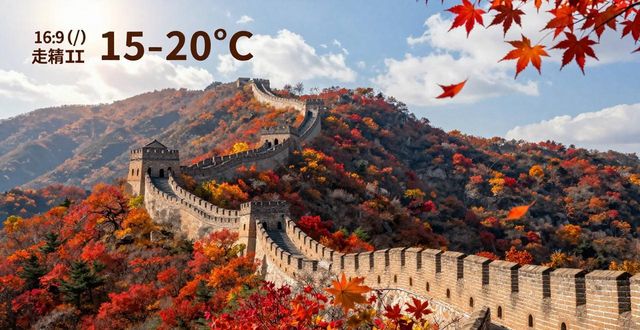
Autumn, from September to early November, is the absolute best time to visit. The weather is cool and dry, with temperatures around 15–20°C (59–68°F). The hills turn into a painting of red, orange, and yellow maple leaves, making your photos look professional. Spring (April to May) is another good option, with mild temperatures and blooming wildflowers. However, avoid the first week of May (Labor Day holiday) when domestic tourism peaks. Summer is hot and humid, plus sudden thunderstorms can make the steps slippery. Winter offers a magical snowy landscape, but many sections become icy and some facilities close.
Weekday mornings are always better than weekends or holidays. Try to arrive at the gate right when it opens at 7:30 or 8:00 AM. This gives you about two hours of relatively quiet walking before the tour bus crowds arrive. For the best light and the fewest people, some photographers even start hiking before dawn. Remember that the wall is a national treasure, so avoid carving your name into the bricks—that’s a serious offense. Plan your trip carefully, and you will enjoy a once-in-a-lifetime experience.
What is your dream way to explore the Great Wall—a quiet sunrise hike on the wild sections or an easy cable car ride with the family? Share your thoughts in the comments, and don’t forget to like and pass this guide to your travel buddies!