
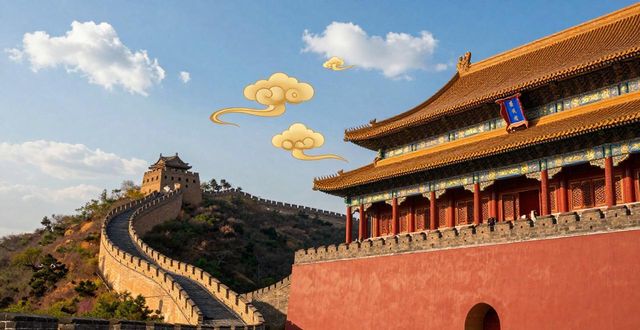
China offers an incredible journey through thousands of years of history and living traditions. In just one week, visitors can explore ancient capitals, marvel at architectural wonders, and experience authentic local customs. From the Forbidden City to the Terracotta Warriors, this 7-day itinerary captures the soul of Chinese culture. Let me walk you through the must-see highlights that will leave you inspired and eager to return.
What to see in Beijing for culture lovers

Start your journey in Beijing, the political and cultural heart of China. Spend your first day exploring the Forbidden City, a sprawling palace complex that housed 24 emperors for nearly 500 years. Walk through its majestic halls and courtyards, and you will feel the weight of history around you. In the afternoon,head to the Summer Palace, where emperors once escaped the summer heat. The combination of gardens, lakes, and pavilions shows the Chinese love for harmony between nature and architecture.
How to experience the Great Wall without the crowds
No trip to China is complete without visiting the Great Wall, but the popular sections like Badaling can get overwhelmingly crowded. For a more authentic experience, hire a driver to take you to the Mutianyu or Jinshanling sections. These areas offer stunning views and fewer tourists, especially if you arrive early in the morning. Walk along the ancient battlements for a couple of hours, and you will understand why this massive structure is a symbol of China’s resilience and ingenuity. Remember to wear comfortable shoes and bring water.
Why Xi’an is a must for history fans
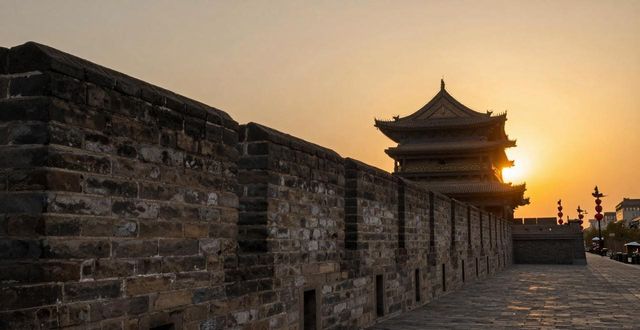
On days three and four, take a bullet train to Xi’an, the starting point of the ancient Silk Road. The highlight here is the Terracotta Warriors, an army of over 8,000 life-sized soldiers buried with the first emperor of China. Standing in the excavation pits, you will be amazed by the detail on each face and the scale of this underground kingdom. After that, cycle or walk on the well-preserved city walls that date back to the Ming Dynasty. In the evening, explore the Muslim Quarter, where the aroma of lamb skewers and the sound of vendors create an unforgettable cultural fusion.
Where to see living traditions in southern China

For the remaining days, fly to Chengdu to witness another cultural treasure – the giant pandas. The Chengdu Research Base of Giant Panda Breeding lets you see these adorable creatures up close while learning about conservation efforts. Beyond pandas, take a stroll in Jinli Ancient Street, where tea houses, shadow puppetry, and traditional snacks keep Sichuan’s folk culture alive. Alternatively, if time allows, visit a local teahouse and watch a face-changing opera performance. These everyday experiences connect you to Chinese traditions that are still thriving today.
What aspects of Chinese culture intrigue you the most – the ancient wonders or the living traditions? Share your thoughts in the comments, and don’t forget to like and share this article with fellow travelers planning their own cultural adventure in China.