
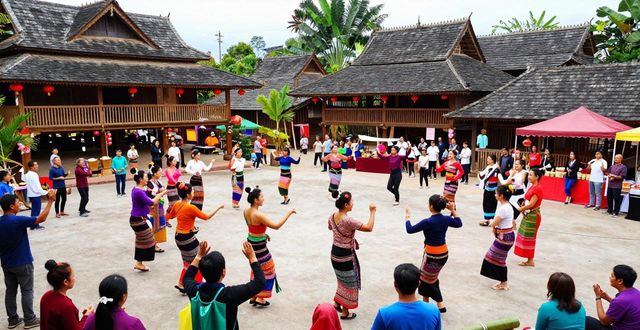
Yunnan is one of China’s most culturally diverse provinces, home to 25 ethnic minority groups. Their traditional festivals are not just celebrations but living expressions of ancient beliefs, harvest rituals, and community bonds. For foreign travelers, experiencing these festivals offers a rare window into a world where drumbeats, fire torches, and water splashes tell stories passed down for centuries. From April to August especially, the province bursts into a non‑stop calendar of colorful events. Below are three festivals you should not miss.
What is the Water Splashing Festival
The Water Splashing Festival is the Dai people’s New Year celebration, usually held in mid‑April. It lasts three to seven days, with the most famous events taking place in Xishuangbanna. The first day features dragon boat races and lantern releases on the Lancang River. The second day includes “rushing the street” fairs where locals trade handmade crafts and snacks. On the final day, the real fun begins: people splash water on each other to wash away bad luck and bring rain for the coming planting season. Don’t worry about getting soaked—it is considered a blessing. Visitors are warmly invited to join, and you will see both young and old laughing under the water showers.

To make the most of this festival, bring a waterproof bag for your phone and wear quick‑dry clothes. The best spots are near Jinghong city, where Dai villages organize open‑air parties with traditional music and dancing. You can also try bamboo rice and grilled fish sold by roadside vendors. Remember that splashing water is meant to be gentle and respectful. Avoid using ice water or aiming at people’s faces. Many foreign tourists say this festival feels like a giant, joyful street party mixed with deep spiritual meaning. It is a perfect chance to understand how the Dai people honor nature and community.
How do Yi people celebrate the Torch Festival
The Torch Festival is the grandest event for the Yi people, typically taking place in late July or early August. It originates from ancient legends about driving away pests and evil spirits with fire. On the first night, villagers light giant torches made of dry pine branches and walk around their fields and houses. The sky turns orange as thousands of torches flicker across hillsides. In areas like Chuxiong and Lijiang, you will see bullfights, wrestling matches, and archery contests during the day. Young men and women in embroidered costumes sing love songs and dance in circles around bonfires until midnight.
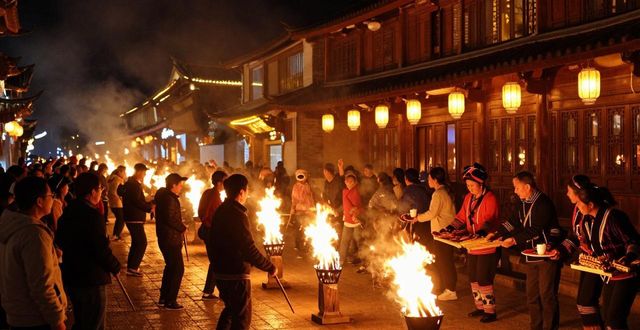
For travelers, the most unforgettable moment is the final night’s “torch parade.” Everyone, including visitors, can hold a small torch and join a procession through the main street. The air smells of burning pine and roasted corn. Locals will offer you a taste of roasted mutton and buckwheat wine. Do not refuse the wine—it is a sign of friendship. The festival also marks the beginning of the harvest season,so you will feel a sense of hope and gratitude everywhere. To experience it authentically, stay in a Yi village homestay. The hosts often invite guests to help prepare the torches and learn a few dance steps. It is loud, smoky, and absolutely magical.
Why do Bai people love the Third Month Fair
The Third Month Fair, held every April in Dali’s old town, started as a Buddhist pilgrimage to the Chongsheng Temple. Over 1,300 years, it evolved into a massive trade fair and cultural gathering. Bai people call it “Sanyuejie.” During the week‑long event, thousands of white‑tented stalls line the streets, selling everything from silver jewelry and tie‑dyed cloth to medicinal herbs and Yunnan coffee. But what makes this fair special is the mix of commerce and performance. You will hear the melodious “sanxian” (three‑stringed lute) and see the famous “Raosanling” dance, where dancers circle three times around a tree to pray for good luck.
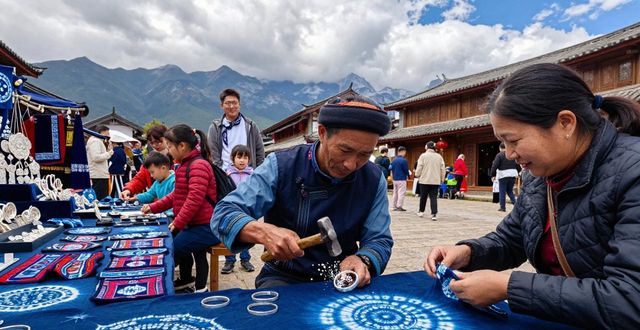
Unlike the wild water fights or fiery parades, the Third Month Fair is more relaxed and family‑friendly. It is the perfect place to buy authentic souvenirs directly from Bai artisans. Watch a silversmith hammer a bracelet, or learn how tie‑dye patterns are folded and dipped in indigo. Do not miss the horse races on the final day, held on the grasslands near the Erhai Lake. Local riders in colorful sashes compete fiercely while spectators cheer and eat “erkuai” (rice cakes). For foreign visitors, this fair offers a gentle introduction to Yunnan’s festival culture. You can wander at your own pace, practice a few Mandarin or Bai phrases, and leave with both gifts and stories.
Have you ever experienced a traditional festival in China, and if not, which one of these Yunnan celebrations would you most want to join? Share your thoughts in the comments below, and don’t forget to like and share this guide with fellow travelers.