
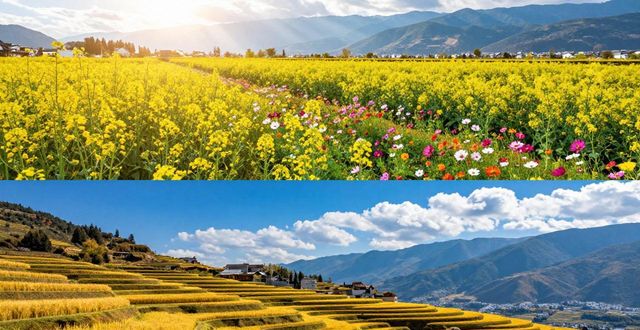
Yunnan Province in southwestern China is a hidden gem for nature lovers. From snow-capped mountains to tropical rainforests, its landscapes change dramatically within hours of driving. I’ve spent months exploring every corner of this region, and I can tell you that Yunnan offers some of the most diverse natural scenery on Earth. Whether you are a hiker, photographer, or simply a traveler seeking peace, Yunnan will surprise you at every turn. Let me share what I’ve learned to help you plan an unforgettable trip.
Best time to visit Yunnan for natural scenery

Most travelers ask me when they should go. The answer depends on what you want to see. Spring from March to May brings blooming flowers in Dali and Lijiang, with comfortable temperatures around 15-20°C. Autumn from September to November offers clear blue skies and golden rice terraces in Yuanyang. Summer is rainy but perfect for seeing lush greenery in Xishuangbanna’s rainforest. Winter brings snow to Shangri-La and Meili Snow Mountain, creating stunning white peaks against deep blue sky. For most people, I recommend late spring or early autumn to avoid crowds and enjoy mild weather.
Top natural attractions you should not miss
You cannot visit Yunnan without seeing Tiger Leaping Gorge. This canyon on the Jinsha River is one of the deepest in the world, with walls rising 3,000 meters above the rushing water. The two-day hike along the high trail is safe and offers breathtaking views. Another must-see is Stone Forest near Kunming, where limestone pillars look like petrified trees. Some formations reach 30 meters tall. For a different experience, head to Lugu Lake on the border with Sichuan. The lake’s emerald water reflects the surrounding mountains, and you can stay with the Mosuo people in their traditional wooden houses.
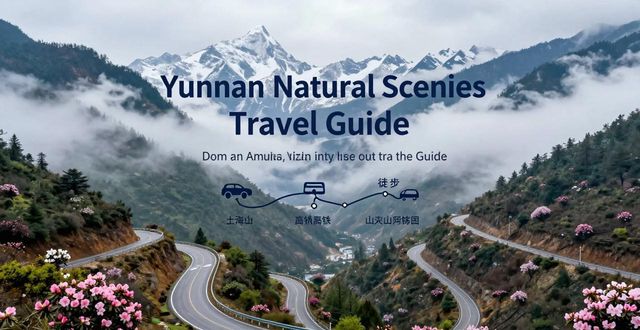
How to get around Yunnan’s scenic spots
Public transportation works well between major cities like Kunming, Dali, and Lijiang. High-speed trains cut travel time from hours to minutes – Kunming to Dali now takes just two hours. However, once you reach smaller villages and national parks, renting a car with a driver is much easier. Local tour operators offer this service for about 500-800 RMB per day. If you prefer to travel independently, consider taking long-distance buses. They are cheap but can be crowded. For remote areas like Deqin near Meili Snow Mountain, shared minibuses depart when full. Always download offline maps because mobile signals can be weak in the mountains.
Tips for eco-friendly travel in Yunnan
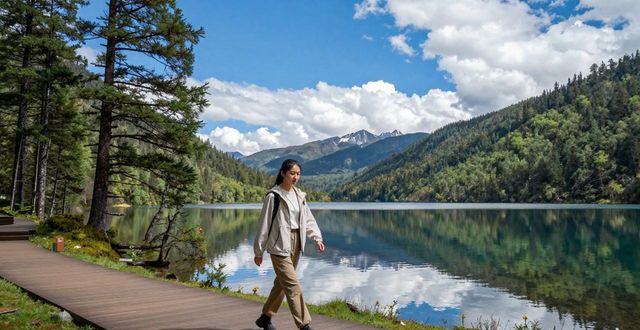
Yunnan’s natural beauty is fragile, and overtourism has already damaged some spots. You can help by staying on marked trails, especially in places like Pudacuo National Park. Do not pick wildflowers or disturb wildlife – I have seen visitors chased by angry yaks near Shangri-La. Bring a reusable water bottle because many guesthouses now offer free refills. Also, avoid buying souvenirs made from endangered plants or animals, such as orchid bulbs or bear parts. Support local communities by staying in family-run inns instead of big hotel chains. These small choices will keep Yunnan beautiful for generations to come.
Have you ever dreamed of hiking through a gorge where the river roars 2,000 meters below your feet, or would you rather relax by a turquoise lake surrounded by prayer flags? Share your ideal Yunnan nature experience in the comments, and don’t forget to like and share this guide with your fellow adventure lovers.