

Yunnan Province in southwest China is a living museum of ethnic diversity and ancient traditions. Unlike many destinations where history exists only in monuments, Yunnan’s cultural heritage thrives in daily life – from the cobblestone streets of Lijiang to the rice terraces of the Hani people. This guide introduces you to authentic experiences that go beyond typical sightseeing, helping you connect with the Naxi, Bai, Yi, and other minority cultures that have preserved their customs for centuries.
Best ancient towns in Yunnan for heritage lovers
Lijiang Old Town, a UNESCO World Heritage site,is famous for its network of canals and wooden bridges. But the real treasure lies in the Naxi people’s Dongba culture, one of the world’s last living pictographic writing systems. Walk along Sifang Street early in the morning before crowds arrive, and you might see local elders writing Dongba scripts on handmade paper. Unlike商业化 tourist shops, authentic workshops near Lion Hill offer hands-on lessons where you can learn to paint your name in ancient symbols.

Another must-see is Dali’s ancient city, surrounded by the Cangshan Mountains and Erhai Lake. While the city walls are impressive, the nearby Xizhou town reveals the Bai people’s architectural genius. Bai courtyards feature exquisite woodcarvings and frescoes that tell stories from folklore. Join a local family for a three-course tea ceremony – a tradition of “bitter, sweet, and aftertaste” teas that symbolizes life’s journey. Many travelers miss Shaxi, a restored trading post on the Tea Horse Road, where Friday markets still buzz with Yi and Bai vendors selling handwoven textiles and silver jewelry.
How to experience Yi and Bai ethnic traditions
The Yi people celebrate the Torch Festival every summer, one of China’s most vibrant ethnic events. Villages light giant bonfires, and men compete in wrestling and horse racing while women wear elaborate silver headdresses. For an immersive experience, visit the Stone Forest area near Kunming, where Yi guides explain how their ancestors believed the limestone pillars were petrified warriors. You can also try traditional embroidery – Yi patterns feature sun, moon, and tiger motifs that protect against evil spirits.
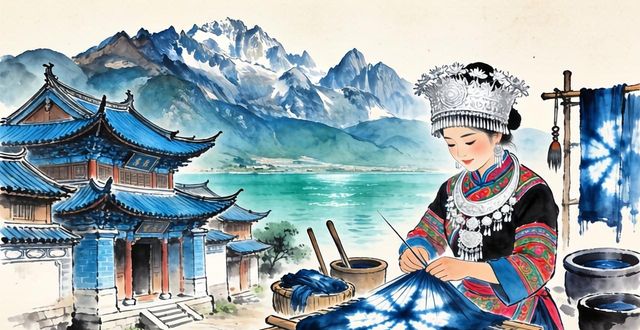
Bai culture shines in the craft of tie-dye (zha ran). In Zhoucheng village near Dali, dozens of family workshops let you create your own indigo scarf. The process involves folding, stitching, and dipping cotton into natural dye vats – a skill passed down for over 1,000 years. Don’t miss the Bai opera performances at Xizhou’s ancient theater, where singers in ornate costumes act out legends of the Erhai dragon king. Many visitors overlook the Jianchuan woodcarving tradition, but a short trip from Dali reveals masters carving intricate flowers and dragons from camphor wood using only chisels.

Where to see Naxi Dongba culture beyond museums
The Naxi people’s Dongba religion blends shamanism, Tibetan Buddhism, and Taoism. At the Dongba Culture Institute in Lijiang, scholars preserve over 20,000 ancient manuscripts. However, the most authentic encounters happen in Baisha village, the former capital of the Naxi kingdom. Here, you can meet Dongba priests who still perform rituals to heal the sick or bless harvests. Ask to see a “Shao Shou” ceremony, where priests chant from faded leather-bound texts while burning juniper incense.
For a deeper dive, hike to Yuhu village at the foot of Jade Dragon Snow Mountain. This remote settlement was home to Joseph Rock, the Austrian-American explorer who documented Naxi culture in the 1920s. His former house is now a small museum, but the real experience is chatting with elderly Naxi women who wear traditional blue aprons and can sing epic poems about the creation of the world. They also demonstrate how to make baba (barley pancakes) on stone griddles – a recipe unchanged for centuries. Avoid the overpriced “cultural shows” in Lijiang; instead, book a village homestay through local cooperatives.
Why the Tea Horse Road matters for Yunnan heritage
The ancient Tea Horse Road (Cha Ma Gu Dao) was a network of mule paths connecting Yunnan’s tea gardens to Tibet and India. Caravans carried Pu’er tea bricks in exchange for Tibetan horses, and this trade shaped Yunnan’s multicultural identity. Today, you can trek restored sections near Shaxi or Tiger Leaping Gorge. Along the way, you’ll see stone-paved trails worn deep by centuries of mule hooves, plus wayside shrines where traders prayed for safe journeys.
In towns like Shaxi and Tongdian, former caravan hostels have become heritage inns run by descendants of tea merchants. Stay overnight to hear stories of bandit attacks and snowbound passes. The local markets still sell horse bells and saddlebags as souvenirs, but the most meaningful purchase is a brick of aged Pu’er tea wrapped in bamboo. Brew it the traditional way – boiling the leaves in a clay pot over a charcoal stove. This simple act connects you to the traders who once relied on tea’s medicinal properties to survive high-altitude journeys.
Which hidden corner of Yunnan’s cultural heritage would you explore first – an ancient tea route, a Naxi pictograph class, or a Bai tie-dye workshop? Share your choice and travel tips in the comments below. If you found this guide useful, please give it a thumbs up and pass it to fellow culture lovers planning their China adventure.