
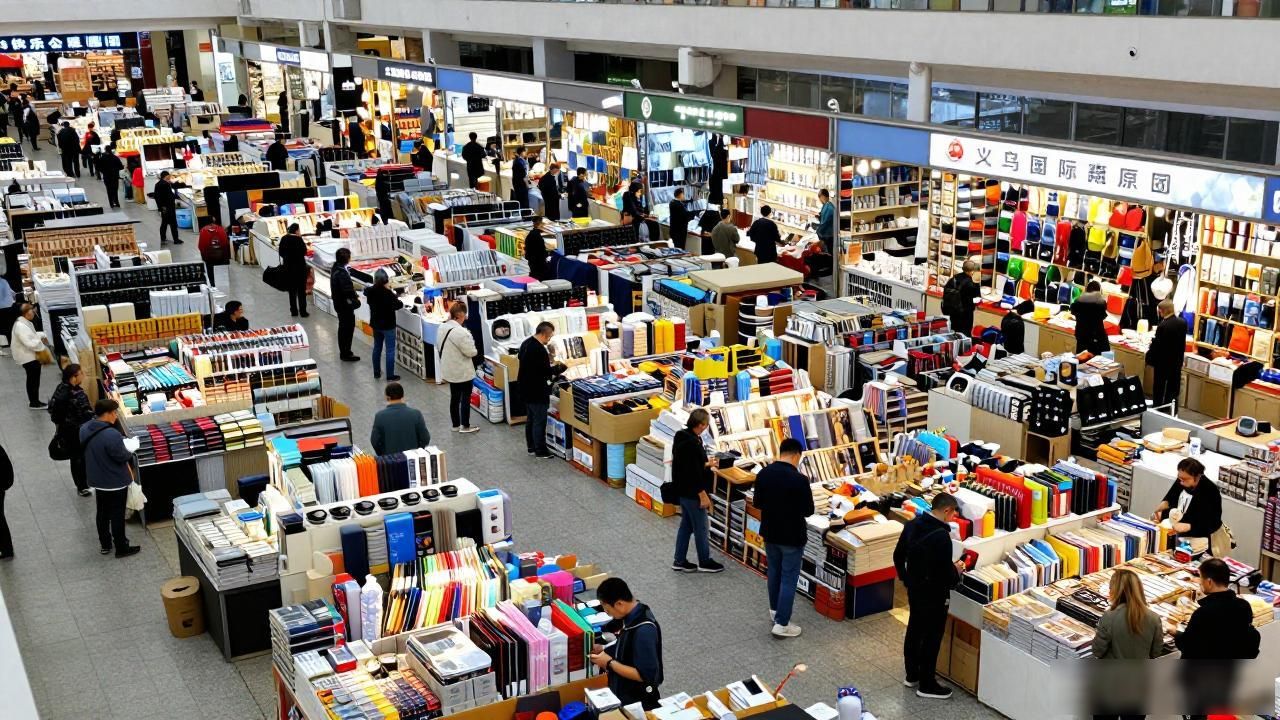
I’ve spent over a decade helping international buyers navigate Yiwu, and let me tell you — this place is unlike anything you’ve ever seen. It’s not just a market; it is a sprawling city within a city, home to over 75,000 shop stalls across twelve major market complexes. On your Yiwu market tour, you will discover everything from tiny plastic accessories to complete production lines for electronics. The scale is almost impossible to comprehend until you walk those corridors yourself.
Why Visit Yiwu Market

Yiwu holds the title of the world’s largest small commodities wholesale market, and for good reason. Buyers from over 200 countries come here annually because the sheer variety and competitive pricing are unmatched anywhere else. You can source products that would require visiting ten different factories back home — all under one roof.
The International Trade City, commonly called Futian Market, dominates the experience. Five huge districts cover different product categories. District One focuses on toys, everyday necessities, and buttons. District Two handles文具,office supplies, and cosmetics. Districts Three and Four are where you find hardware, electronics, and textiles. District Five rounds things out with bedding, curtains, and imported goods. Each district stretches for kilometers, and many first-time visitors admit they gave up trying to cover everything on day one.
Prices here operate on volume. You will not find the best deals browsing alone without knowing the rhythm of negotiation. But when you learn the system, margins improve dramatically. Many suppliers set their initial asking price at nearly double what they expect to accept, so coming prepared with research is essential before you step into any stall.
How to Succeed on a Yiwu Market Tour
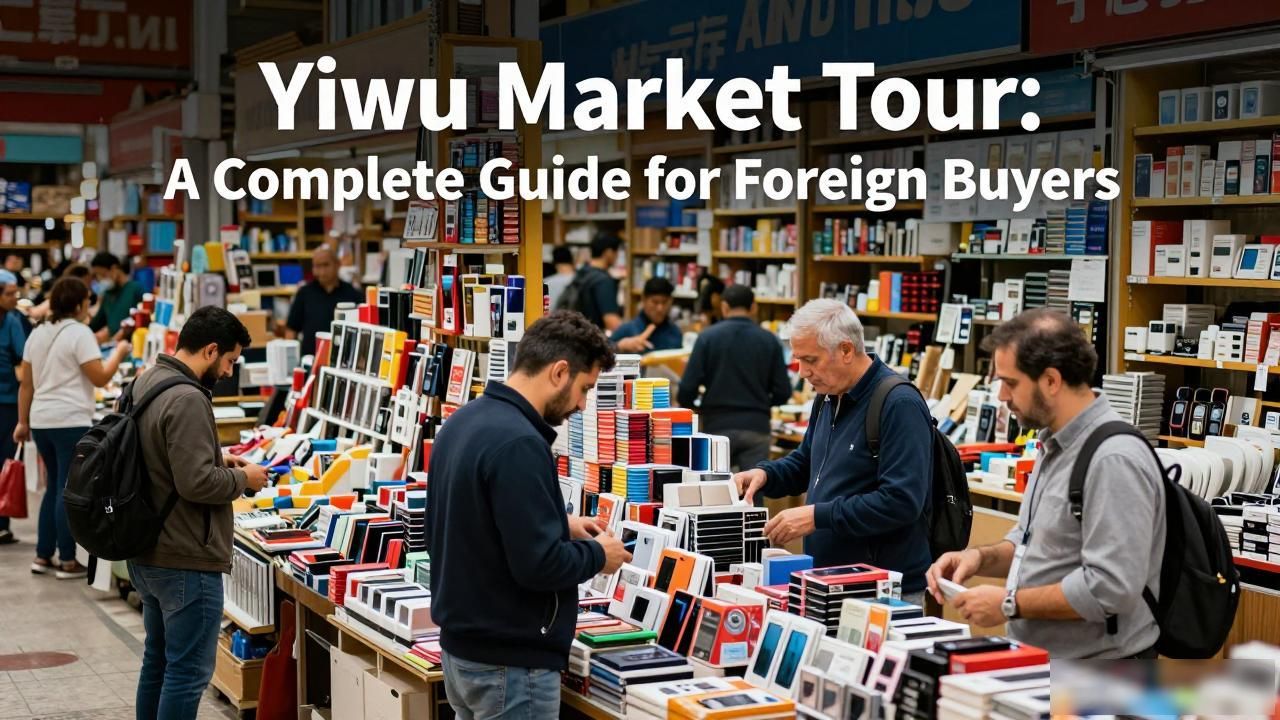
Practical preparation makes or breaks your trip. Bring a notebook or use your phone to record product codes, prices, and supplier names. Most stalls do not carry your language, and English proficiency varies widely among vendors. A simple photo plus a handwritten note often bridges the communication gap effectively.
Cash in Chinese Yuan helps, though many larger suppliers now accept WeChat Pay, Alipay, or even US dollars directly. Having a local guide or sourcing agent translates into significant savings — not just in language but in cultural fluency. They know which districts to prioritize, how to avoid overpriced tourist traps, and which suppliers have genuine export experience.

Visit during weekdays if possible. Weekends attract domestic buyers and smaller retailers, making navigation unnecessarily crowded. Arrive early — around 8:30 AM — when suppliers are fresh and more willing to engage in meaningful conversation about pricing and minimum order quantities. Plan for at least two full days; trying to rush through in a single day leaves you skimming the surface of what Yiwu offers. Many buyers return for a second visit because they realize their first tour only covered perhaps thirty percent of what they actually needed to source.
The most successful buyers treat Yiwu not as a quick shopping trip but as a strategic sourcing mission. Come with clear categories in mind, talk to at least three suppliers per product, and always request samples before committing to any order. The relationships you build with reliable suppliers in Yiwu often become long-term partnerships that save time and money on every subsequent purchase.