
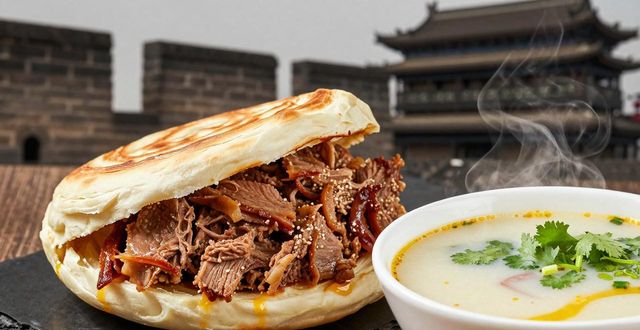
Xi’an roujiamo is often called the “Chinese hamburger” by foreigners, but it is much more than that. This beloved street food from the ancient capital of Shaanxi province consists of tender, slow-braised meat stuffed inside a crispy, baked flatbread. Having traveled extensively through China, I can say that roujiamo represents the perfect fusion of texture and flavor. The crispy bread gives way to juicy, savory pork or beef, creating a handheld meal that has satisfied locals for centuries. In this article, I will explore what makes Xi’an roujiamo so special, how it got its unusual name, the best way to eat it, and where to find authentic versions in Xi’an.
What is Xi’an roujiamo

Xi’an roujiamo is a traditional snack that traces its roots back to the Qin Dynasty (221–206 BC). The name breaks down into “rou” (meat), “jia” (put inside), and “mo” (flatbread). Unlike American burgers that use soft buns, the “mo” is a dense, chewy flatbread made from wheat flour. It is first baked in a clay oven until golden and crisp, then often finished on a flat grill to add extra crunch. The meat filling is typically pork belly or beef shank, simmered for hours in a master stock of soy sauce, ginger, star anise, cinnamon, and other spices. The result is meat so tender it falls apart with a gentle pull.
Why is it called roujiamo
The name “roujiamo” seems backward to English speakers because it literally means “meat sandwiched in bread” – but the word order places the meat first. According to local historians,the name reflects the way the dish is made. Traditionally, a vendor first pulls the hot flatbread out of the oven, splits it open, then quickly stuffs it with chopped meat. The action of “jia” (inserting) happens after the bread is ready, so the name emphasizes the meat as the star. Some travelers mistakenly call it “mo jia rou,” but that is incorrect. Remembering the correct name not only helps you order like a local but also shows respect for the dish’s heritage.
How to eat Xi’an roujiamo like a local
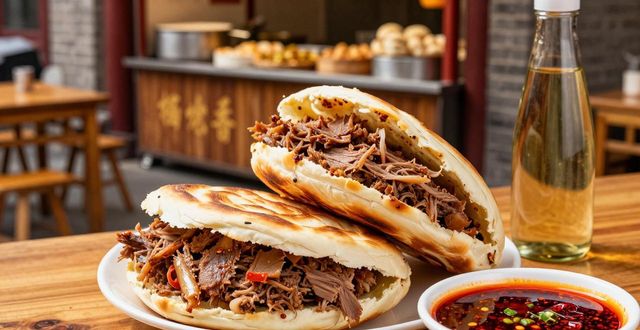
Eating roujiamo authentically requires a few simple tricks. First, always ask for extra fat and skin if you order pork – that gelatinous layer adds incredible moisture and richness. Locals often request “shou pi” (lean with skin) for the perfect balance. Second, eat it immediately after purchase. The bread loses its crispness within ten minutes, and the meat juices turn the mo soggy. Third, pair your roujiamo with a bowl of liangpi (cold noodles) or a glass of suanmeitang (sour plum drink). The cool, spicy noodles offset the savory meat, while the sour plum drink cuts through the grease. Do not ask for cheese or ketchup – such additions would offend any Xi’an native.
Where to find the best roujiamo in Xi’an
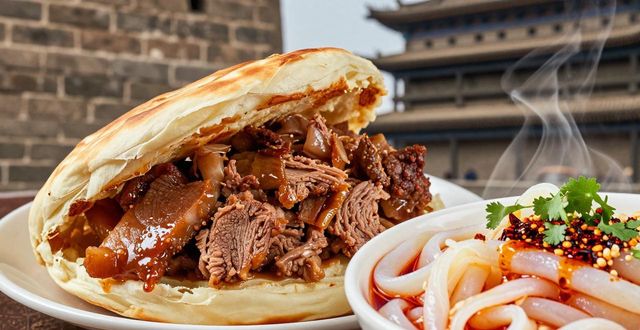
While you can find roujiamo all over Xi’an, a few spots are legendary. The most famous is Fan Ji Roujiamo on Zhubaoshi Street, which has been serving the dish since the 1920s. Their mo is thinner and extra crispy, and the pork is braised for exactly four hours. Another local favorite is Zi Roujiamo near the Bell Tower, known for their bold use of Sichuan peppercorns that numbs your tongue slightly. For a modern twist, try Qin Tang Jia on East Avenue, where they offer beef roujiamo with pickled vegetables. Avoid stalls near major tourist attractions like the Terracotta Warriors – they often serve pre-made, lukewarm sandwiches. Instead, follow your nose to alleys where you see long lines of office workers at lunchtime.
Have you ever tried Xi’an roujiamo or another iconic Chinese street food? Share your experience in the comments below – and don’t forget to like and share this article with fellow food lovers