
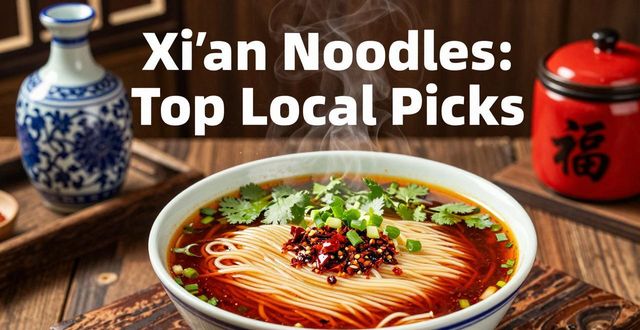
Xi’an, the ancient capital of China, is not only famous for the Terracotta Warriors but also for its incredible noodle culture. The city’s noodles are known for their wide variety, bold flavors, and hand-pulled techniques. From the legendary Biangbiang noodles to the tangy Qishan minced noodles, each bowl tells a story of Shaanxi’s rich culinary heritage. In this guide, I’ll introduce you to the most authentic Xi’an noodle dishes, where to find them, and how to enjoy them like a local.
Biangbiang Noodles The King of Xi’an Noodles
Biangbiang noodles, often called “belt noodles” because of their thick, wide, and ribbon-like shape, are the undisputed king of Xi’an’s famous noodle scene. The unique name “Biang” mimics the loud, rhythmic sound of the dough being slapped forcefully against a countertop during the traditional hand-pulling process. These satisfyingly chewy noodles are typically served with chili oil, fresh garlic, fragrant black vinegar, and toppings like braised pork chunks, diced potatoes, carrot slices, and leafy greens. Just before serving, a ladle of sizzling hot oil is poured over the dish, releasing an aromatic cloud of spicy goodness.
To eat Biangbiang noodles properly, mix all ingredients thoroughly before your first bite. The chewy texture pairs perfectly with the spicy and tangy sauce, while locals often add a raw garlic clove on the side for an extra kick. You can find this dish at every corner of Xi’an, from street stalls to upscale restaurants. Remember, the more you chew, the more you’ll appreciate the wheat flavor and satisfying glutenous texture. Don’t leave any sauce behind—sopping it up with the last noodle is a local ritual.
Qishan Minced Noodles A Tangy Delight

Qishan minced noodles, originating from Qishan County near Xi’an, feature a sour and savory broth that sets them apart from other noodle dishes. The broth is made from aged vinegar, chili oil, and a blend of spices, giving it a distinctive red color and a mouth-watering aroma. The noodles are thin and soft, topped with minced pork, scrambled eggs, black fungus, carrots, and tofu. This combination creates a perfect balance of textures and flavors, with each ingredient contributing to the overall harmony.
Unlike heavy Biangbiang noodles, Qishan minced noodles are often served in small bowls, and it’s common to eat several bowls in one sitting. The sourness of the vinegar awakens your appetite, while the chili oil provides a mild heat that builds gradually. In Xi’an, this dish is a popular breakfast choice, as the tangy broth is believed to energize the body. Many locals insist that the best Qishan noodles are found in family-run eateries where the vinegar is aged for at least a year. Don’t forget to sip the broth after finishing the noodles—it’s the best part!
Youpo Chewy Noodles Sizzling Oil Sensation
Youpo chewy noodles, or “oil-splashed noodles,” are a simpler but equally delicious variation of Biangbiang noodles. The preparation involves boiling wide hand-pulled noodles, then topping them with raw chili flakes, minced garlic, chopped scallions, and a sprinkle of salt. The magic happens when a ladle of nearly smoking-hot oil is poured over the spices, creating a dramatic sizzle and releasing an irresistible aroma that fills the entire room. This dish highlights the pure flavor of the noodles and the quality of the spices.
Unlike other noodle dishes that rely on complex broths, Youpo noodles are dry and coated with the infused oil. It’s essential to mix everything quickly after the oil is added to prevent burning the garlic. You can customize the heat level by adjusting the amount of chili flakes, and many Xi’an locals love to add a splash of dark vinegar and a bit of soy sauce for extra depth. The dish is often garnished with blanched bok choy or cabbage for a fresh crunch. Eat it immediately while the noodles are still hot and the oil is fragrant.
Where to Find Authentic Xi’an Noodles
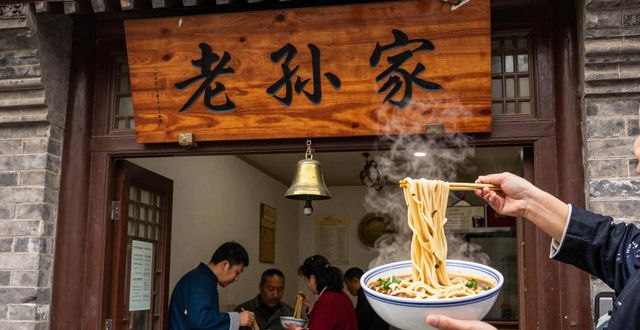
For the most authentic experience, head to the Muslim Quarter (Huimin Street) in the heart of Xi’an. This bustling area is packed with small noodle shops that have been serving family recipes for generations. Look for stalls with long queues—that’s usually a sign of quality and popularity among locals. Some legendary spots include “Lao Sun Jia” for Biangbiang noodles and “Qishan Minced Noodle Restaurant” on Xiyangshi Street. Don’t be afraid to venture into the narrow alleys; the best bowls are often hidden away from the main tourist crowds.
Another great area is around the South Gate (Yongning Men), where you’ll find both traditional and modern noodle houses. For a more upscale setting, try “Defachang” or “Xi’an Restaurant,” which serve refined versions of local noodles with elegant presentations. However, many locals argue that the street-side stalls with plastic stools offer the truest taste and the most authentic atmosphere. Remember that authenticity also means eating at the right time—most noodle shops open early and close by 8 PM. Always ask the shop owner for their specialty, and you’ll never be disappointed.
How to Eat Xi’an Noodles Like a Local
First, never ask for a fork unless it’s absolutely necessary. Xi’an noodles are meant to be eaten with chopsticks, and you should lift the noodles high above the bowl to allow excess sauce to drip off before putting them in your mouth. It’s acceptable and even encouraged to make slurping sounds—this shows appreciation and helps cool down the hot noodles. Second, always have a bowl of noodle soup on the side. Locals often pour a little soup into the noodle bowl at the end to drink the remaining sauce and enjoy every last drop.
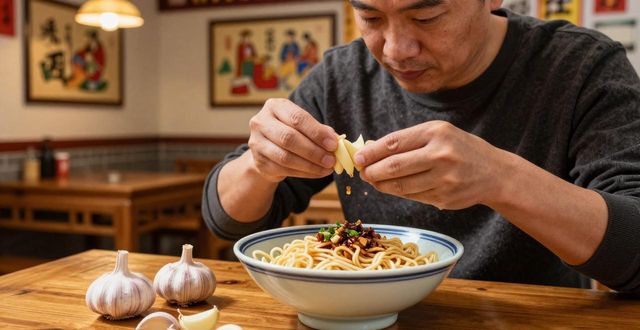
Third, don’t skip the raw garlic. Most Xi’an noodle shops provide whole garlic cloves on the table. Peel one and take a small bite with each mouthful of noodles. The pungent garlic complements the spicy chili oil perfectly and is believed to have health benefits. Fourth, be prepared to eat quickly. Noodles can become soggy and lose their chewy texture if left too long. Finally, if you can’t finish the huge portion, it’s fine to share a bowl with a friend. But try your best—leaving a clean bowl is the highest compliment to the cook.
Making Xi’an Noodles at Home Simple Tips
While hand-pulling noodles requires practice, you can start with store-bought wide wheat noodles or even make a simplified version using rolled dough. The key is to boil the noodles until they are al dente, then immediately rinse them in cold water to stop cooking and enhance chewiness. For the seasoning,combine chili flakes, Sichuan peppercorn powder, minced garlic, and salt in a heatproof bowl. Heat vegetable oil until it smokes slightly, then pour it carefully over the spices. The sizzling sound is your cue that the oil is hot enough.
Add two tablespoons of dark vinegar and one tablespoon of light soy sauce to the oil mixture, then toss the cooked noodles in this sauce. Top with blanched greens, shredded carrots, and a sprinkle of chopped scallions. If you want protein, add braised pork belly, a fried egg, or even some shredded chicken. The beauty of Xi’an noodles is that you can adjust the flavors to your preference—more vinegar for tanginess, more chili for heat. With a little practice, you can recreate the authentic taste of Xi’an in your own kitchen. Just remember: the best noodles are made with patience and love.
What’s your favorite Xi’an noodle dish, and have you ever tried making them at home? Share your experience in the comments below, and don’t forget to like and share this guide with fellow noodle lovers!