
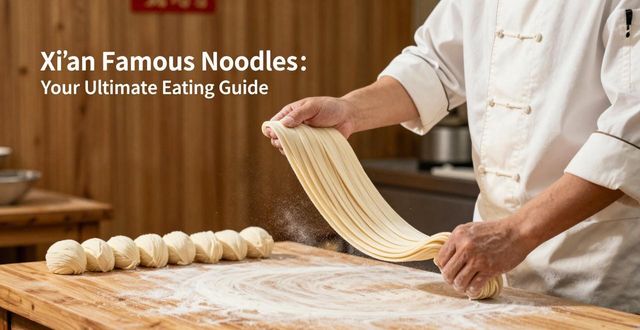
When people talk about Xi’an, the ancient capital of China, they often think of the Terracotta Warriors. But for food lovers, Xi’an is famous for something else: its incredible noodles. As a local food writer who has spent years exploring the backstreets of this city, I can tell you that Xi’an noodles are not just a meal—they are a cultural experience. From hand-pulled belts of dough to spicy, tangy sauces, these noodles have a history of over a thousand years. In this guide, I will walk you through the most iconic noodle dishes, how to eat them, and where to find the real deal.
What makes Biangbiang noodles so special

The star of Xi’an’s noodle scene is undoubtedly Biangbiang noodles. These are incredibly wide, thick, and chewy noodles, often called “belt noodles” because they look like leather belts. What makes them unique is the way they are made: the cook slaps the dough against the table repeatedly, creating a loud “biang biang” sound. After boiling, the noodles are topped with chili flakes, garlic, scallions, and a mix of spices, then sizzling hot oil is poured over. This “oil splash” process releases an amazing aroma and gives the noodles a glossy, spicy coating. Locals eat them with vinegar and soy sauce, and every bite is a perfect balance of heat, chewiness, and rich flavor.
How to eat Yangrou Paomo like a true local
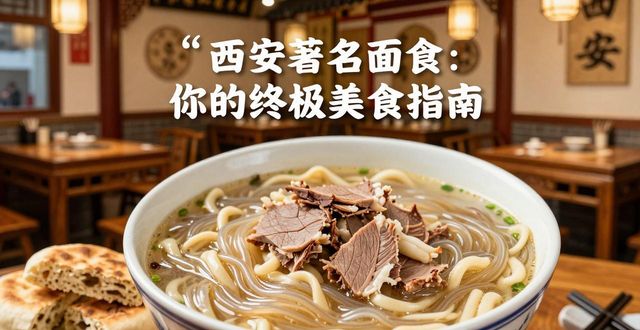
Many visitors mistake Yangrou Paomo for a soup, but it is actually a bread-and-noodle hybrid dish that requires patience. The dish consists of a bowl of lamb broth with vermicelli noodles, tender lamb slices, and crumbled flatbread. The key step happens before the soup arrives: you take a hard, unleavened bread called “mo” and break it into tiny pieces—each about the size of a peanut. This is a social activity; locals chat while crumbling the bread. Once finished, the waiter takes your bowl back to the kitchen, where the chef pours hot lamb broth over the bread pieces and adds the noodles. The result is a thick, hearty stew. Remember to add pickled garlic and chili oil for extra flavor, and never ask for a spoon—true locals drink the broth directly from the bowl.
Where to find authentic Qishan minced noodles
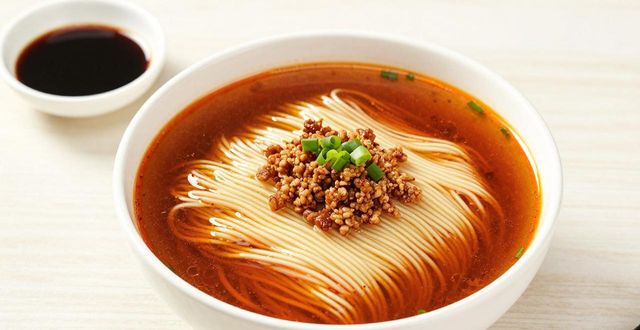
If you prefer a lighter, sour and spicy noodle soup, Qishan minced noodles are your best choice. These noodles are thin and made fresh daily, served in a broth that is famously “sour,spicy, hot, and fragrant.” The soup gets its tanginess from aged vinegar and its heat from red chili oil. The toppings include finely chopped egg strips, carrots, tofu, black fungus, and pork mince. Unlike other Xi’an noodles, Qishan noodles are usually served in small bowls, and locals often eat five to ten bowls in one sitting because each bowl is only a few bites. To find the most authentic version, avoid tourist restaurants near the Bell Tower. Instead, walk into small family-run shops on side streets—look for places where the owner is hand-pulling noodles at the entrance. That is the real deal.
Now I want to ask you something: Have you ever tried making hand-pulled noodles at home, or would you rather fly to Xi’an to taste them fresh from the wok? Share your story in the comments below, and don’t forget to hit like and share this guide with your fellow noodle lovers.