
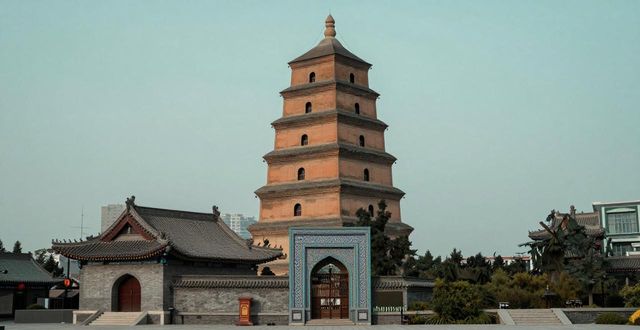
Xi’an, the ancient capital of more than a dozen Chinese dynasties, is world‑famous for the Terracotta Warriors. But beneath that fame lies a quieter treasure: its ancient temples. These are not just tourist sites; they are living places of worship where history, art, and spirituality have blended for over a thousand years. From Buddhist pagodas that survived earthquakes and wars to Taoist halls hidden in busy streets, Xi’an’s temples offer a raw, authentic glimpse into China’s soul. Whether you are a history buff, a spiritual seeker, or simply a curious traveler, understanding these sacred spaces will transform your visit from a simple sightseeing trip into a meaningful journey.
Why are Xi’an’s ancient temples unique?

Unlike many rebuilt “theme‑park” temples elsewhere, Xi’an still preserves original structures from the Tang, Ming, and Qing dynasties. The city was the eastern end of the Silk Road, so its temples absorbed influences from India, Central Asia, and even Persia. For example, the Great Wild Goose Pagoda was built in 652 AD to store Buddhist scriptures brought back from India by the monk Xuanzang. You can still see the Indian‑style arched niches on its brick walls. Another unique feature is the fusion of religions – in some temple courtyards, you may find a Buddhist shrine next to a Taoist altar, reflecting how ordinary Chinese people have practiced multiple faiths harmoniously for centuries.
The must‑see temples you cannot miss
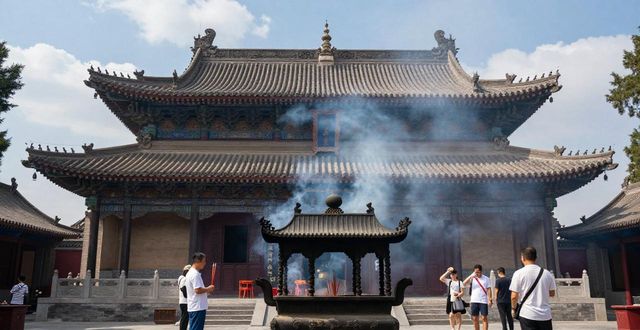
Start with the Giant Wild Goose Pagoda (Dayanta) in the south of the city. It stands 64 meters tall, made of rammed earth and brick, and has survived 1,300 years of earthquakes. Climb the seven stories for a panoramic view of the old city wall. Then head to the Small Wild Goose Pagoda (Xiaoyanta), which is less crowded but equally impressive. Built in 707 AD, it originally held 15 stories; today 13 remain. Beside it is the Xi’an Museum, where you can see the temple’s original iron bell. For a different atmosphere, visit the City God Temple (Chenghuang Miao) on West Street. It is still an active Taoist temple where locals burn incense and pray for good luck – much more authentic than a silent museum.
What to know before visiting a temple
Most ancient temples in Xi’an open from 8:00 am to 6:00 pm, but the pagoda grounds often close earlier – around 5:00 pm. Ticket prices range from 30 to 60 yuan, and the Small Wild Goose Pagoda is free if you do not climb it. Avoid visiting on Chinese public holidays like May Day or National Day, because the sites become extremely crowded. The best time is a weekday morning,right after opening. Wear comfortable walking shoes because temple grounds are large and have many stone steps. Bring some small change (coins or 1‑yuan notes) – you will see donation boxes and you might want to buy incense to offer, which usually costs 5‑10 yuan.
How to respect temple etiquette as a foreigner
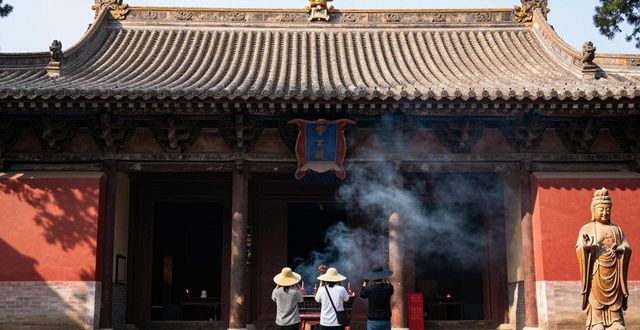
You do not need to be Buddhist or Taoist to enter, but you should follow basic rules. Remove your hat and sunglasses when entering a main hall. Never step on the high threshold – always step over it; locals believe the threshold protects the temple from evil spirits. Do not touch or climb on statues, ancient steles, or pagoda bricks. Photography is usually allowed in courtyards but forbidden inside prayer halls. If you see locals kneeling and bowing, do not walk in front of them. Instead, walk behind them quietly. And finally, dress modestly – no sleeveless tops or short shorts. A simple scarf to cover your shoulders is appreciated if you enter a very sacred hall.
Now, after reading this guide, here is a question for you: Which of Xi’an’s ancient temples would you most want to explore first – the iconic pagoda with a thousand‑year view, or the living Taoist temple where locals still worship today? Share your thoughts in the comments, and if you found this guide useful, please give it a like and share it with fellow travelers planning a trip to Xi’an.