
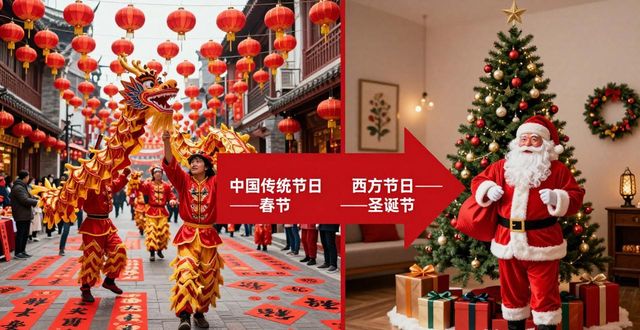
Traditional Chinese festivals are not just dates on a calendar — they are living traditions shaped by thousands of years of history, philosophy, and community life. For someone unfamiliar with Chinese culture, these festivals can feel mysterious or even overwhelming at first glance. But once you understand what they represent,you will find they offer a rare window into the heart of Chinese society.

What makes Traditional Chinese festivals so different from Western holidays
Most Western holidays are tied to religious events or historical milestones. Traditional Chinese festivals, on the other hand, are deeply connected to the lunar calendar, agricultural cycles, and ancient cosmology. Take the Spring Festival, for instance. It is not just about fireworks and red envelopes — it marks the end of winter, the beginning of spring, and a time for families to reunite. The Dragon Boat Festival is another example. It remembers a poet named Qu Yuan who lived over two thousand years ago, but it also reflects the rhythm of rice planting seasons in southern China. If you attend these festivals without knowing the background, you miss half the story. The rituals, foods, and even the colors used all carry layers of meaning that Western holidays rarely match in depth.
How to truly enjoy Traditional Chinese festivals as a foreign visitor
You do not need to be an expert to enjoy these festivals, but a little preparation goes a long way. If you visit during the Mid-Autumn Festival, for example, try to join a local family for mooncake tasting. Do not just buy a mooncake from a shop — ask how it is made and what the round shape symbolizes. During the Lantern Festival, go to a night market and participate in solving lantern riddles. These small acts of participation will make you feel less like a tourist and more like a guest. Also be aware that many festivals involve specific foods that are not available at other times of the year, like zongzi during the Dragon Boat Festival. Trying these foods in their proper season gives you a taste of how Chinese people mark time through taste and smell.
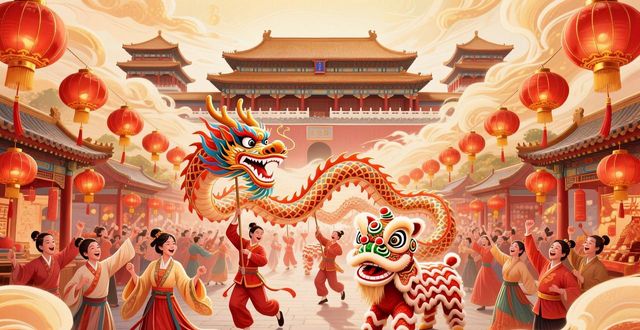
Traditional Chinese festivals offer more than just spectacle — they are a living archive of how people have connected with nature, ancestors, and each other for centuries. To experience one is to step into a rhythm of life that is both ancient and still very much alive today.