
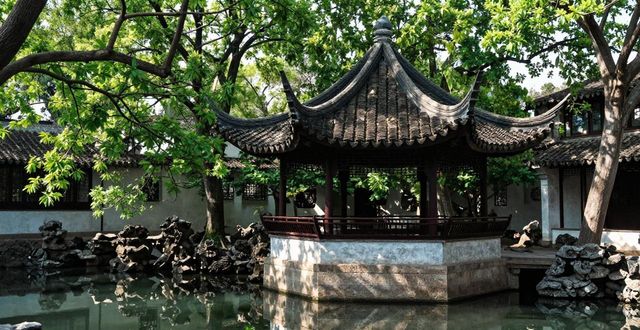
When people talk about Suzhou, they often mention its classical gardens. But what many don’t realize is that the pavilions inside these gardens are the true masterpieces. A pavilion in Suzhou isn’t just a structure—it’s a carefully designed space meant to frame a view, offer a moment of quiet, or reflect a poetic idea. Understanding these pavilions helps you appreciate the deeper artistry of Suzhou Gardens.
What makes a Suzhou Garden pavilion different from a regular building

A pavilion in these gardens isn’t built for shelter alone. It’s built to change how you see the world around you. Architects placed them at specific spots to capture the best light, the most interesting tree branch,or the reflection of a rock in the water. Every angle matters. When you step inside, you’re not just looking at nature—you’re participating in a centuries-old conversation between man and landscape.
Many pavilions have names that hint at a poem or a historical event. For example, the “Fragrant Snow Pavilion” in the Humble Administrator’s Garden is named after plum blossoms that bloom in winter. The name alone tells you when to visit and what to feel. These names guide your emotions even before your eyes fully take in the scene. That level of intention is rare in modern architecture.
How to truly experience a Suzhou Garden pavilion on your visit
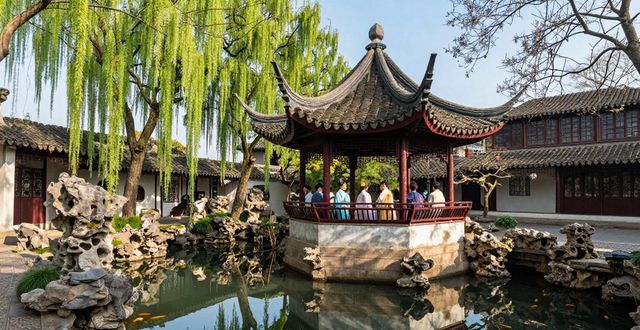
Don’t rush through the garden. Pick one pavilion and sit inside for at least ten minutes. Notice how the roof curves upward—this isn’t just for beauty. The curve helps rainwater flow away and gives the building a light, floating feel. Watch how the shadow of the roof moves across the floor as the sun shifts. Pay attention to the carved wooden lattice windows. They filter light and create patterns that change throughout the day.
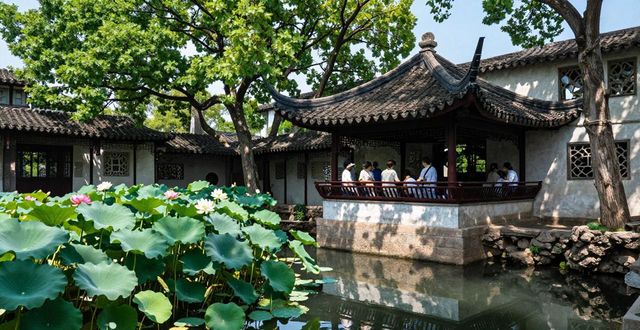
If you can, visit during different seasons. A pavilion that feels open and airy in summer might feel cozy and intimate in winter. The same window that frames a lotus pond in July might frame bare branches and snow in January. Suzhou Gardens are designed to reward patience. The longer you stay, the more you see.
Suzhou Gardens pavilions are not just beautiful—they are quiet teachers. They show you how to slow down, how to look carefully, and how even a simple structure can hold deep meaning. Next time you walk through a Suzhou garden, stop at a pavilion, sit down, and let it speak to you.