

Giant pandas are one of the world’s most beloved animals, and thanks to decades of dedicated work, their numbers have rebounded from the brink of extinction. But don’t be fooled by the good news – panda conservation is far from finished. As someone who has worked closely with wildlife reserves in China, I’ve seen both the triumphs and the ongoing struggles. In this article, I’ll share why pandas were endangered, what actions turned things around, the current challenges they still face, and how each of us can help ensure their survival for generations to come.
Why were giant pandas on the brink of extinction
By the 1980s, fewer than 1,200 giant pandas remained in the wild. The primary driver was habitat loss. China’s rapid economic development led to widespread logging, farming, and infrastructure construction, which fragmented the bamboo forests pandas depend on. A single panda needs about 10 to 15 square kilometers of forest to find enough bamboo – and when roads or villages cut through that territory, pandas become isolated.

Additionally, pandas have naturally low reproductive rates. Females ovulate only once a year, and cubs are extremely vulnerable at birth. In the wild, many cubs don’t survive their first year. Combined with poaching, though rare after strict laws were introduced, these factors pushed the species to the edge. Without urgent action, experts predicted pandas could disappear by the end of the 20th century.
What conservation strategies have turned the tide
China established the first four panda reserves in the 1960s, but the real breakthrough came in the 1990s with the National Conservation Plan for Giant Pandas. The government banned commercial logging in panda habitats, relocated thousands of families out of core reserves, and created over 60 protected areas covering nearly 70% of wild pandas. These reserves are not just fenced-off zones – they include patrolled corridors that connect isolated panda populations, allowing genetic exchange.
Captive breeding programs also played a crucial role. Facilities like the Chengdu Research Base have raised more than 600 cubs using advanced techniques such as artificial insemination and twin cub sharing, where keepers swap cubs between mothers to ensure both get fed. Some of these captive-bred pandas have been successfully reintroduced into the wild, like Zhang Xiang, a male panda released in 2017 who was later spotted thriving with a wild mate.
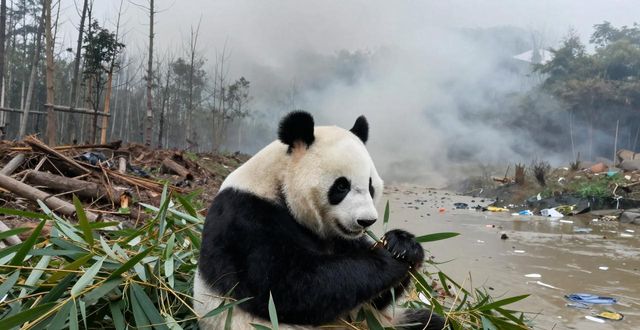
What threats still face pandas today
Despite the International Union for Conservation of Nature downgrading pandas from “endangered” to “vulnerable” in 2021, the species remains at risk. Climate change is now the biggest long-term threat. Bamboo naturally dies off en masse after flowering, but rising temperatures are accelerating this cycle unpredictably. Some models predict that over 35% of panda habitat could become unsuitable within 80 years because bamboo cannot regenerate fast enough.
Human activity still causes problems too. New roads, tourism developments, and hydroelectric dams continue to fragment habitats. In Sichuan’s Wolong Nature Reserve, vehicles and visitors can disturb pandas during sensitive seasons like mating and cub-rearing. Furthermore, diseases from livestock – such as canine distemper virus – have killed pandas in the wild and in captivity. With wild population still only around 1,900 individuals, any setback could erase years of progress.
How can everyone contribute to panda conservation

You don’t need to travel to China to make a difference. First, support ethical tourism. If you visit panda centers, choose those accredited by the China Wildlife Conservation Association or the Global Federation of Animal Sanctuaries. Avoid venues that allow hugging or paid photo sessions with cubs – these often harm the animals’ welfare and distract from real conservation.
Second, consider symbolic adoption through organizations like WWF or Pandas International. Your donation funds anti-poaching patrols, bamboo reforestation,and local community education. Even small monthly gifts help pay for rangers’ salaries or GPS collars to track released pandas. Third, reduce your carbon footprint. Climate change threatens panda food sources, so every action – from using public transit to eating less meat – contributes to habitat stability. Finally, spread accurate information. Share articles like this one, and correct myths like “pandas are too lazy to mate” – in reality, captive breeding success rates are now above 90% thanks to science-based methods.
What’s one small change you’re willing to make today – whether it’s a donation, a lifestyle shift, or just talking to a friend – to help protect giant pandas for your children and grandchildren? Leave your thoughts in the comments, and if you found this useful, please like and share so more people realize that panda conservation is still a fight worth fighting.