
What makes Sichuan cuisine so uniquely numbing and hot
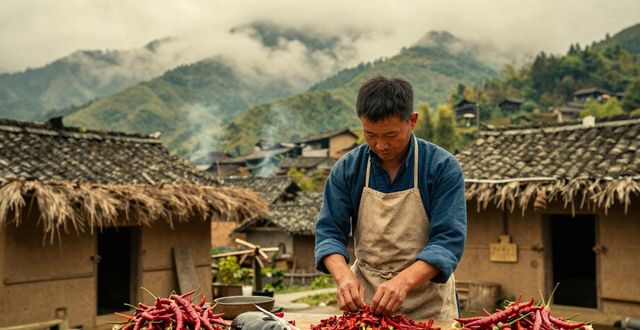
Sichuan cuisine’s signature numbing sensation comes from the Sichuan peppercorn, which contains hydroxy-alpha-sanshool. This compound creates a tingling, vibrating feeling on your lips and tongue, completely different from the burning heat of chili peppers. When combined with dried chilies, the result is a layered explosion of flavors known as “málà” – a term that literally means numb and spicy. This unique pairing has made Sichuan dishes like mapo tofu and kung pao chicken famous worldwide.
The geography of Sichuan province plays a huge role in this culinary tradition. The region’s humid climate historically led people to eat spicy foods to combat dampness and promote sweating, which locals believe helps balance the body’s internal environment. Over centuries, this practical need evolved into a beloved flavor profile. Today, no trip to Chengdu is complete without a hot pot session where diners watch chilies and peppercorns dance in a bubbling, crimson broth.
How did Hunan become known as the land of chilies
Hunan province takes spiciness to another level, often described as “pure heat” without the numbing effect of Sichuan peppercorns. Hunan cooks use fresh, pickled,and dried chilies in almost every dish, from smoked meat stir-fries to simple vegetable sides. The local belief is that chilies wake up the appetite and help farmers endure long working days in the fields. Unlike Sichuan’s complex málà, Hunan spice is straightforward and aggressive, leaving a clean, burning aftertaste.

Historically, Hunan was a poor, mountainous region where salt was expensive and hard to transport. People turned to chilies as a cheap, flavorful substitute to preserve food and mask any off-tastes. This necessity shaped an entire cuisine. Today, dishes like chopped chili fish head and stir-fried pork with green chilies showcase how deeply chilies are woven into daily life. Even breakfast noodles in Hunan come drenched in a fiery red oil that would make outsiders reach for milk.
Which Chinese dishes best represent spicy food culture
Mapo tofu stands as an icon of spicy Chinese cooking, combining soft tofu, minced pork, fermented bean paste, and a generous amount of chili oil and Sichuan peppercorns. The dish dates back to the Qing Dynasty, created by a pockmarked-faced woman named Chen Mapo. Its beauty lies in the contrast – the silky tofu soothes the tongue just before the spice kicks in, creating a rhythm of heat and relief that keeps you eating more.
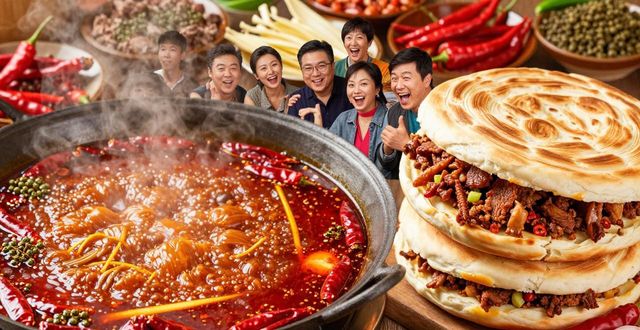
Another must-try is Chongqing hot pot, where diners cook raw ingredients in a shared pot of boiling chili-laden broth. The broth contains dozens of spices, including star anise, cinnamon, and fagara, plus heaps of dried chilies and beef tallow. Eating it is a social ritual that can last hours, with friends competing to see who can handle the spiciest bites. Dipping cooked meats into sesame oil helps cool the mouth, but the cumulative heat is unforgettable. Other classics like lazy dragon noodles and spicy crayfish also dominate late-night food stalls across the country.
Why does spicy food dominate southern China more than the north
Climate differences largely explain this divide. Southern regions like Sichuan, Hunan, and Guizhou have hot, humid summers and mild, wet winters. Traditional Chinese medicine teaches that spicy foods “expel dampness” from the body, improving circulation and preventing illnesses linked to moisture. Northern China, with its dry, cold winters, historically relied on garlic, vinegar, and fermented vegetables rather than chilies for flavor and preservation.
Economic factors also played a role. Chilies grow easily in the mountainous, less fertile soils of the south, providing a reliable crop for poor farming families. In contrast, the northern plains focused on wheat, millet, and soybeans. As a result, northern dishes like Beijing’s zhajiangmian or Tianjin’s goubuli baozi are savory but rarely spicy. Today, however, migration and national food chains are spreading southern spicy flavors northward, and you can find Sichuan hot pot even in Harbin, though locals may ask for a milder broth.
Is eating spicy food actually good for your health
Moderate consumption of spicy food offers several health benefits backed by modern research. Capsaicin, the compound that makes chilies hot, has been shown to boost metabolism, reduce inflammation, and even lower blood pressure. Some large-scale studies in China found that people who ate spicy food six to seven days a week had a 14 percent lower risk of death compared to those who ate it less than once a week. It may also improve gut health by increasing beneficial bacteria.
However, too much spice can cause problems. Overloading your system with capsaicin can lead to stomach pain, heartburn, and diarrhea, especially for people with sensitive digestive tracts or conditions like acid reflux. Extremely spicy challenges on social media have sent some participants to the hospital with gastritis. The key is balance – enjoy spicy food as part of a varied diet, and listen to your body. If you feel burning in your chest or stomach cramps after a meal, dial back the heat next time.
How has modern Chinese cuisine reinvented traditional spicy dishes
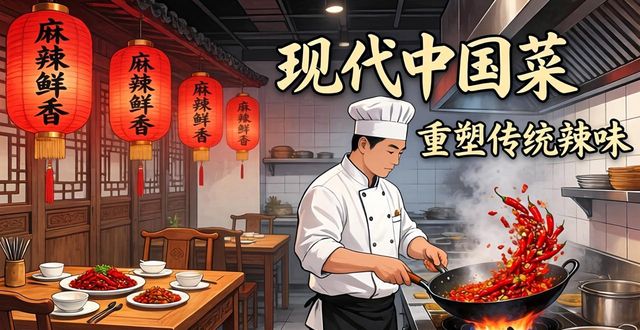
Younger Chinese chefs are now experimenting with spicy flavors in creative, sometimes surprising ways. You can find Sichuan peppercorn-infused craft beers, chili chocolate, and spicy mooncakes during the Mid-Autumn Festival. Fusion restaurants in Shanghai and Beijing serve “málà pasta” – spaghetti tossed in chili oil and topped with crispy fried Sichuan peppercorns. These innovations keep the traditional flavors alive while appealing to adventurous eaters who grew up on both Chinese and Western food.
At the same time, food delivery apps have made regional spicy dishes accessible everywhere. A student in Guangzhou can order authentic Guizhou sour-spicy fish soup with a few taps on their phone. This convenience has created a nationwide spicy food craze, with “spicy” becoming a top search filter on platforms like Meituan and Ele.me. Even fast-food chains like KFC in China offer spicy chicken wings with a local twist. As Chinese cuisine continues to evolve, the love for heat only grows stronger, proving that spicy food is not just a regional habit but a modern identity.
Have you ever tried a spicy Chinese dish that completely changed how you think about heat and flavor? Share your story in the comments below and don’t forget to hit like if you’re craving some málà right now