
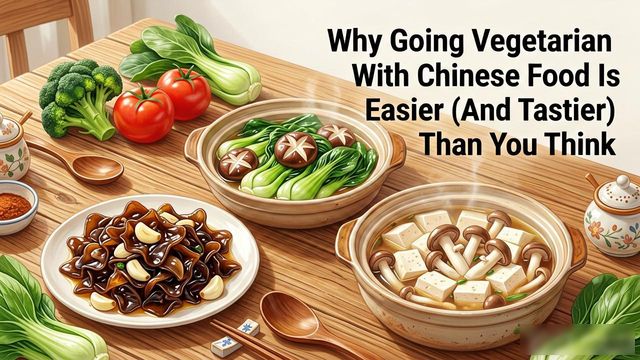
When people think of Chinese cuisine, they often imagine heavy meat dishes like sweet and sour pork or kung pao chicken. But the truth is, Chinese cooking has a long and deep tradition of vegetarian food, rooted in Buddhist monasteries and centuries of plant-based farming. Vegetarian Chinese cuisine is not about removing meat—it’s about transforming vegetables,tofu, and grains into something bold, flavorful, and satisfying. It’s a style of eating that proves you don’t need animal products to enjoy a rich and diverse meal.
Is vegetarian Chinese food really filling without meat

One of the biggest concerns for anyone trying vegetarian Chinese food is whether it will actually fill you up. The answer is yes, and the secret lies in how Chinese chefs work with texture and protein. Tofu, for example, is not just a bland block—it can be pressed, fried, or braised to take on a chewy or crispy texture that mimics meat. Then there’s seitan, or wheat gluten, which is often used in Buddhist vegetarian dishes to create “mock meat” that looks and feels like chicken or pork but is entirely plant-based.
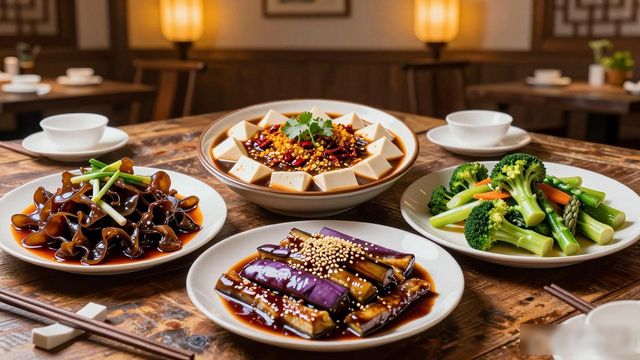
Beyond that, Chinese cuisine relies heavily on legumes, mushrooms, and root vegetables. Dishes like braised eggplant with garlic sauce or stir-fried green beans with fermented bean paste are packed with fiber and umami. They aren’t just side dishes—they can easily be the centerpiece of a satisfying meal. When paired with steamed rice or noodles, a plate of well-prepared vegetarian Chinese food leaves you full without feeling heavy.
What are the best vegetarian Chinese dishes to try first
If you’re new to vegetarian Chinese cuisine, it helps to start with dishes that already highlight vegetables in a starring role. Mapo tofu is a classic example—silky tofu in a spicy, numbing sauce made from fermented chili bean paste and Sichuan peppercorns. It’s traditionally made with minced pork, but the vegetarian version is just as good, if not better, because the tofu absorbs all the bold flavors.
Another must-try is Buddha’s delight, a stir-fried medley of seasonal vegetables, mushrooms, tofu skin, and sometimes glass noodles. This dish comes straight from Buddhist temple kitchens and is entirely plant-based. It’s often served during Chinese New Year, but you can find it year-round in many Chinese restaurants. The key is the wok hei, or breath of the wok—that smoky char that only high-heat cooking can give. Even simple stir-fried bok choy with garlic becomes something special when cooked right.
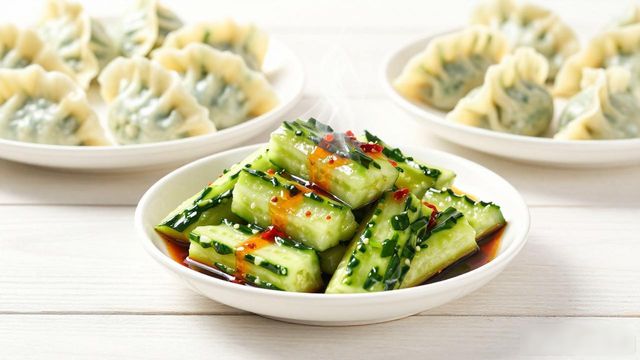
For something more adventurous, look for cold appetizers like smashed cucumber salad with chili oil and vinegar, or steamed dumplings filled with chives and scrambled eggs. These dishes are light, refreshing, and show that vegetarian Chinese food isn’t limited to heavy sauces. It’s about balance—crisp, tender, spicy, and cool all on one table.
The beauty of vegetarian Chinese cuisine is that it doesn’t feel like a compromise. It stands on its own, with centuries of technique and flavor built into every dish. Whether you’re a lifelong vegetarian or just curious, there’s a whole world of Chinese plant-based cooking waiting to be explored.