
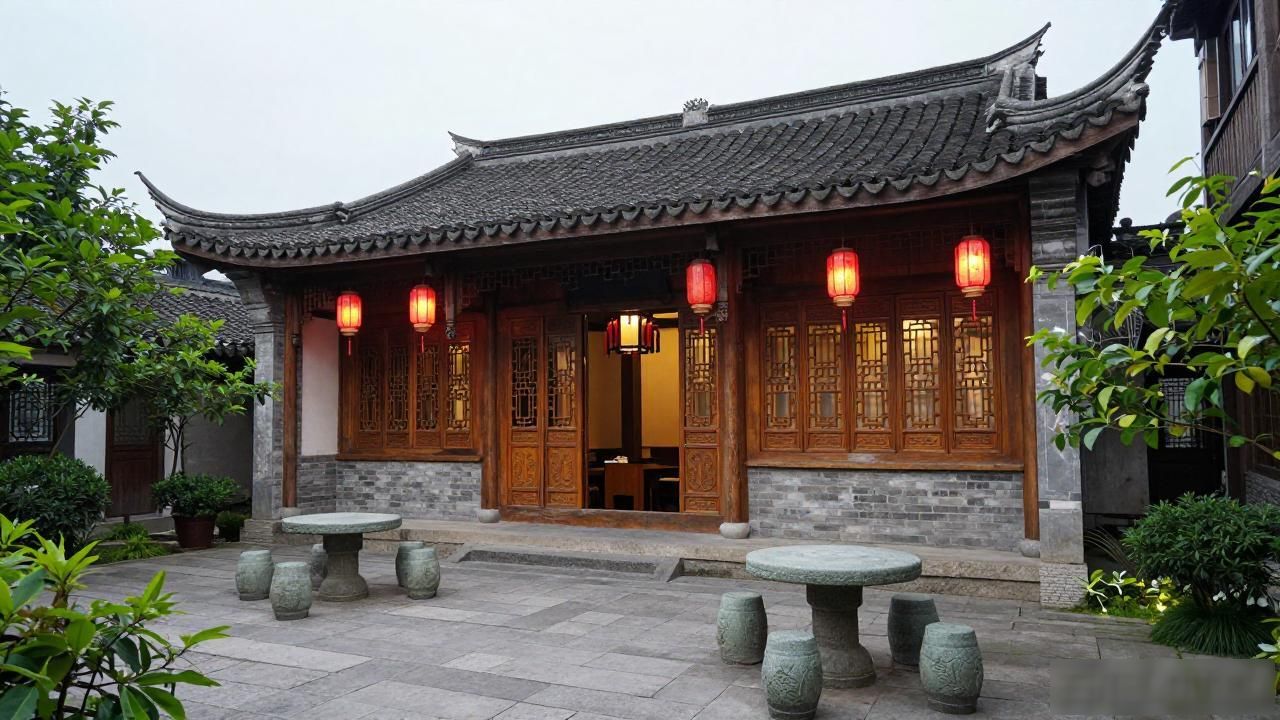
Discovering the soul of China often requires stepping away from modern hotels and into its historic heart. The concept of staying in an “old town” is not just about location; it is about immersion. These spaces offer a tactile connection to centuries of history, where every stone path tells a story. For travelers seeking authenticity, these unique homestays provide more than a bed; they offer a window into traditional Chinese domestic life, blending heritage with contemporary comfort.
best unique homestays in ancient china?

The architectural diversity in regions like Yunnan and Jiangxi presents distinct options for those looking for authentic cultural immersion. In Lijiang, traditional Naxi courtyard homes have been converted into boutique stays that preserve wooden beam structures while installing modern amenities. These properties are often family-run, allowing guests to interact directly with the hosts and learn about local customs, such as tea ceremonies or embroidery techniques. This personal touch transforms a simple night’s stay into a meaningful exchange.
In contrast, the water towns of Suzhou offer a different aesthetic. Here, homestays are frequently built along canals, providing direct access to the famous waterways. Many of these buildings date back hundreds of years and feature intricate garden designs within their courtyards. Staying here allows visitors to experience the serene pace of Jiangnan culture. The walls may be old, but the interiors are designed to meet international standards of luxury, ensuring that comfort does not sacrifice historical integrity.
how to book homestays in old towns china?
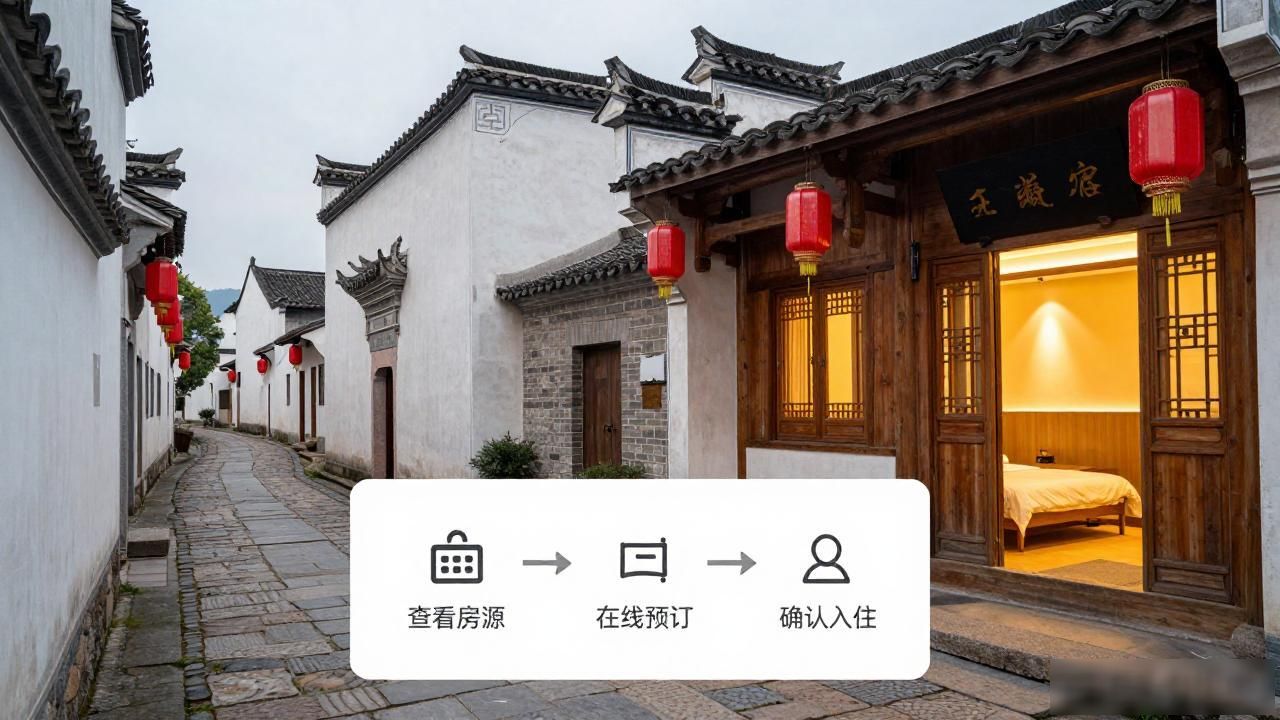
Securing a spot in these popular locations requires planning, especially during peak seasons. Platforms that specialize in boutique accommodations often list these unique properties before they appear on global giants. It is advisable to look for hosts who highlight specific historical features of their buildings, as this often indicates a genuine preservation effort rather than a superficial renovation. Reading recent reviews helps gauge whether the “ancient” feel is maintained without compromising on hygiene and noise levels.

Many of these homestays are located in pedestrian-only zones, which means luggage handling can be challenging. Travelers should communicate with hosts in advance to arrange porter services or storage options. Additionally,understanding the local layout is crucial. Old towns often have winding, maze-like streets where GPS signals can be unreliable. Having a printed map or detailed directions from your host ensures you find your way easily, adding to the sense of adventure rather than frustration upon arrival.
Choosing the right place to stay in China’s historic districts enhances the entire travel experience. By focusing on properties that respect local traditions while offering modern convenience, visitors can create lasting memories. These homestays serve as gateways to understanding the deeper layers of Chinese society, offering a perspective that standard tourism rarely provides.