
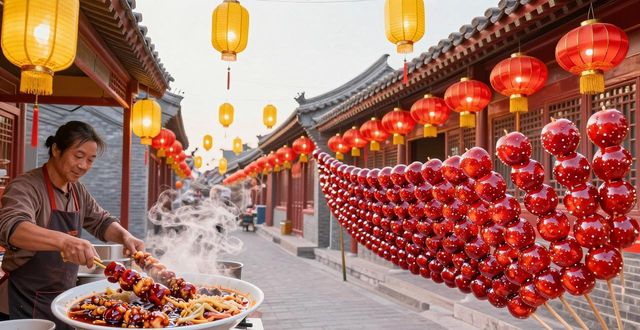
Beijing is a city where ancient traditions meet modern life, and its food scene reflects that perfectly. When people talk about unique food in Beijing, they often think beyond the famous Peking duck. The city offers a wide range of dishes that are deeply rooted in local history, daily habits, and seasonal ingredients. These foods are not just meals—they are stories served on a plate.
What makes Beijing food different from other Chinese cuisines

Beijing food is not spicy like Sichuan food or sweet like Cantonese food. It is bold, earthy, and often uses simple cooking methods like braising, roasting, and steaming. The flavors come from ingredients like soy sauce, sesame paste, vinegar, and garlic. One classic example is zhajiangmian, or fried sauce noodles. This dish uses thick wheat noodles topped with a savory sauce made from fermented soybean paste and minced pork. It is a common lunch choice for locals and a good introduction to the city’s everyday flavors.
Another dish that stands out is lamb hotpot, especially during cold winters. Unlike the spicy hotpot from Chongqing, Beijing’s version uses a clear broth with ginger, scallions, and dried dates. The lamb is sliced thin and cooked quickly at the table. Diners dip the meat into a mixture of sesame paste, fermented tofu, and chopped cilantro. This dish shows how Beijing food focuses on the natural taste of ingredients rather than heavy spices.
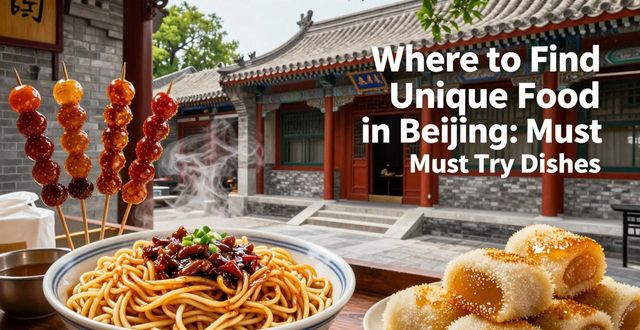
Where to try the most unique local foods
You do not need to go to fancy restaurants to find authentic Beijing food. Some of the best dishes are found in small eateries and street food stalls. For example, the area around Qianmen and Dongsi is full of old restaurants that have been serving the same recipes for decades. One must-try is jianbing, a savory crepe made with a thin layer of egg batter, spread with hoisin sauce and chili paste, then wrapped around a crispy fried cracker and fresh vegetables. It is a popular breakfast item and costs only a few yuan.
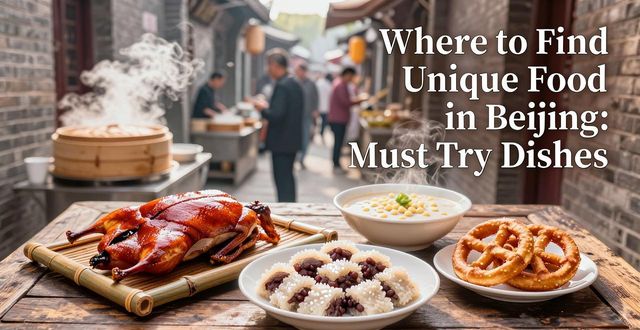
For a more adventurous experience,try baodu, or quick-boiled tripe. This dish is served at traditional Muslim restaurants in Niujie, the city’s Muslim quarter. The tripe is boiled for just a few seconds to keep it tender, then served with a dipping sauce of sesame paste and chili oil. Another unique item is miancha, a thick millet porridge with a slightly sweet and sour taste. It is often sold by street vendors in the morning and is a good option for those who want to try something completely different from typical Chinese food.
Beijing’s food culture is built on generations of tradition, local ingredients, and a no-fuss approach to cooking. Whether you sit down for a bowl of noodle soup or grab a quick snack from a cart, every bite tells you something about the city and its people. These dishes may not look fancy, but they carry the real taste of Beijing life.