
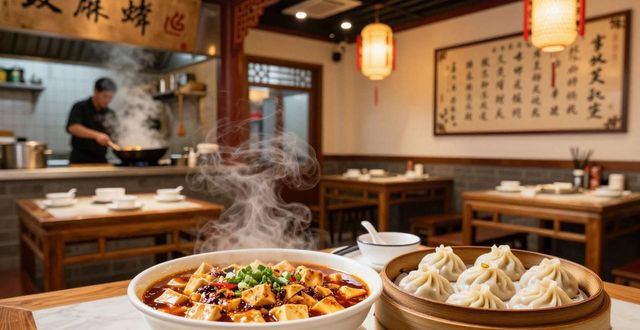
When travelers or food lovers think of Chinese cuisine, they often imagine sweet-and-sour pork or fortune cookies. But authentic Chinese restaurants are entirely different. They focus on regional flavors, fresh ingredients, and cooking techniques passed down for generations. In this guide, I’ll help you spot the real deal, understand what makes a Chinese restaurant genuine, and order dishes that locals actually eat. Forget the Americanized versions — real Chinese food is bold, complex, and unforgettable.
What defines authentic Chinese restaurants

Authenticity starts with the menu. If you see photos of General Tso’s chicken or crab rangoon, walk away. Real Chinese restaurants serve dishes named after their place of origin, like mapo tofu (Sichuan) or xiaolongbao (Shanghai). The kitchen uses wok hei — that smoky breath of a hot wok — and ingredients like fermented black beans, Sichuan peppercorns, and pickled mustard greens. Also, observe the customers. A restaurant packed with Chinese families speaking Mandarin or Cantonese is almost always authentic. They know where to find home flavors.
How to spot a fake Chinese restaurant from a real one
Fake Chinese restaurants cater to local tastes by drowning everything in sugary sauce. Real ones balance five flavors: sweet,sour, salty, bitter, and umami. Check the tea. If they serve overly sweet iced tea instead of oolong or jasmine, be suspicious. Look at the chopsticks — real places provide disposable wooden or reusable plastic ones, not cheap splintery ones. Another clue: the staff’s language. When the waiter argues in Chinese with the chef about a special order, you’ve found gold. Also, real restaurants have a fish tank with live fish or crabs, not just frozen seafood.
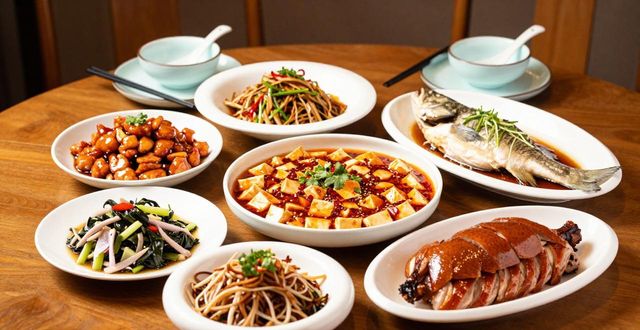
What dishes should you order at an authentic Chinese restaurant
Skip the familiar names. Start with cold appetizers like smashed cucumber with garlic or spicy beef tendon. Then order a soup — hot and sour soup made with wood ear mushrooms and lily buds, not ketchup. For mains, try twice-cooked pork (Sichuan), braised pork belly (Hunan), or hand-pulled noodles in lamb soup (Lanzhou). Vegetables matter too: stir-fried pea shoots with garlic or dry-fried green beans with minced pork. End with a dessert like red bean paste rice balls or osmanthus jelly. Never order fried rice — it’s what chefs make with leftovers. Ask instead for clay pot rice or scallion noodles.
Why do some authentic Chinese restaurants feel unwelcoming to foreigners
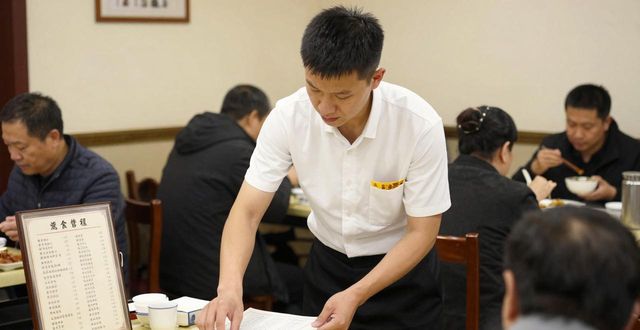
Many foreigners mistake direct service for rudeness. In authentic Chinese spots, waiters don’t refill your water every two minutes or ask “how’s everything?” They focus on speed and accuracy. Menus may be only in Chinese with no pictures. This isn’t hostility — it’s efficiency. The owner assumes you know what you want. If you don’t, point to another table’s dish and say “that one.” Also, noise is normal. Loud conversations, clattering plates, and a TV playing Chinese dramas are all signs of a lively, authentic environment. Embrace the chaos, and you’ll be rewarded with incredible food.
Which clue has helped you most in finding a real Chinese restaurant — the menu, the customers, the service style, or a specific dish? Let me know in the comments, and share this with a friend who keeps ordering crab rangoon.