
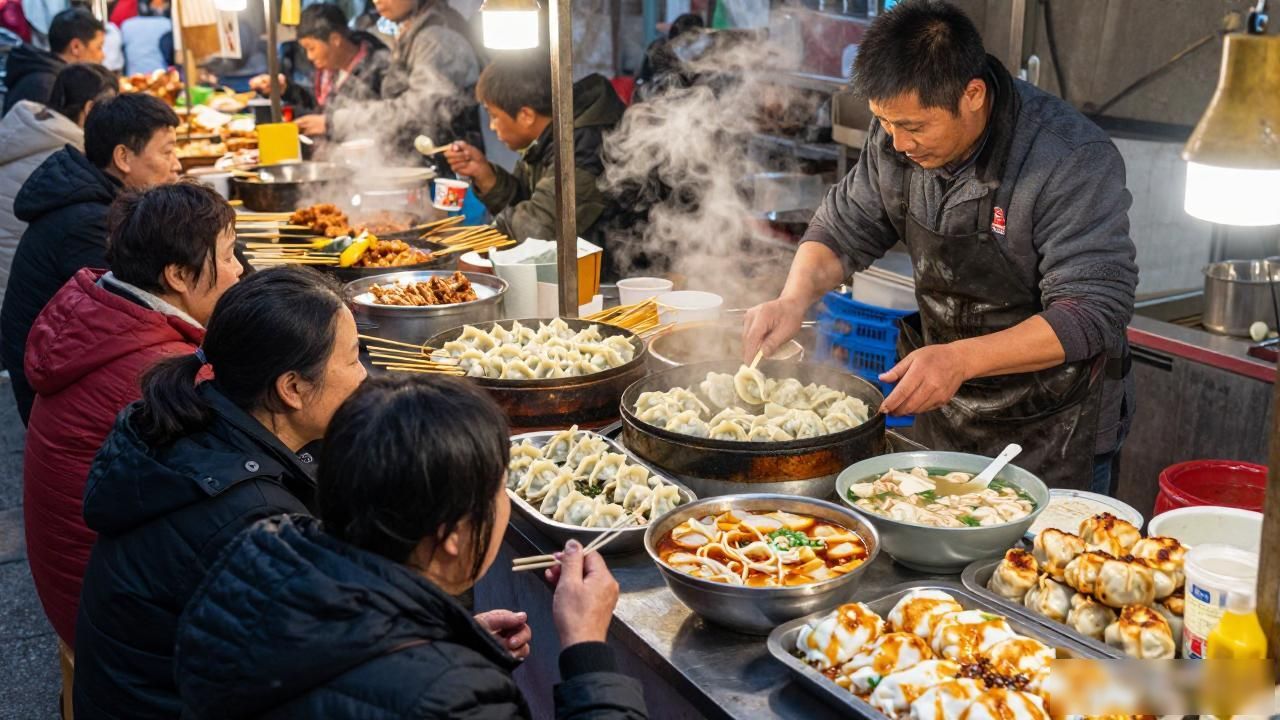
Chinese street food culture is one of the most vibrant and underrated culinary experiences you can have. Walking through any night market in China feels like stepping into a living museum of food — steam rising from woks, the sizzle of grills, and vendors shouting their specialties. It is raw, unpretentious, and deeply rooted in centuries of tradition. What makes it truly special is not just the taste but the energy surrounding it, the way strangers become companions over a shared plate of dumplings.
What makes Chinese street food unique?
Street food in China is not a modern trend borrowed from the West. It has existed for over two thousand years, dating back to the Song Dynasty when urban markets began flourishing and working-class people needed quick affordable meals. Today that legacy lives on in every bustling alleyway and weekend market across the country.

The sheer variety available is staggering. A single stall might serve dozens of dishes, each prepared fresh right in front of you. Dumplings, skewers, wontons, rice rolls, fried buns — the list seems endless. What draws foreigners in most is the affordability. You can eat like royalty spending just a few dollars a day.
How does street food vary across regions?
China is massive and its regional differences extend deeply into how food is made and consumed. In Sichuan and Chongqing the street food is bold and spicy,heavily flavored with Sichuan peppercorns and chili oil. The numbing heat defines everything from malatang hot pots to cumin-spiced lamb skewers cooked over open flames.
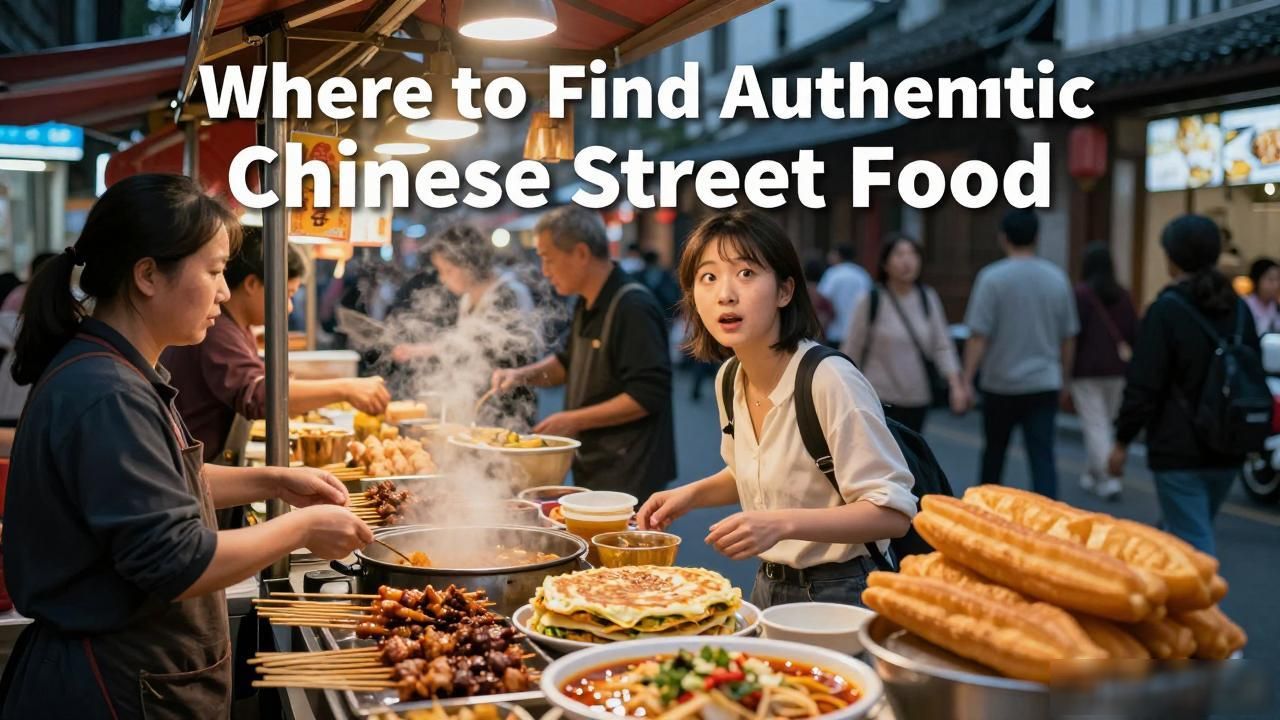
Where should a first-time visitor start?
Chengdu’s Taikoo Li area near Chunxi Road offers some of the city’s best late-night food streets. Nanluoguxiang in Beijing remains one of the most popular destinations for anyone wanting to sample Beijing-style street fare. Xi’an’s Muslim Quarter serves some of the most famous noodles and roasted lamb bread in all of China.
A word of advice — go where the locals queue. That line at dusk tells you everything you need to know about quality. Don’t chase polished restaurants when the real magic happens at weathered stalls with plastic stools and handwritten signs.
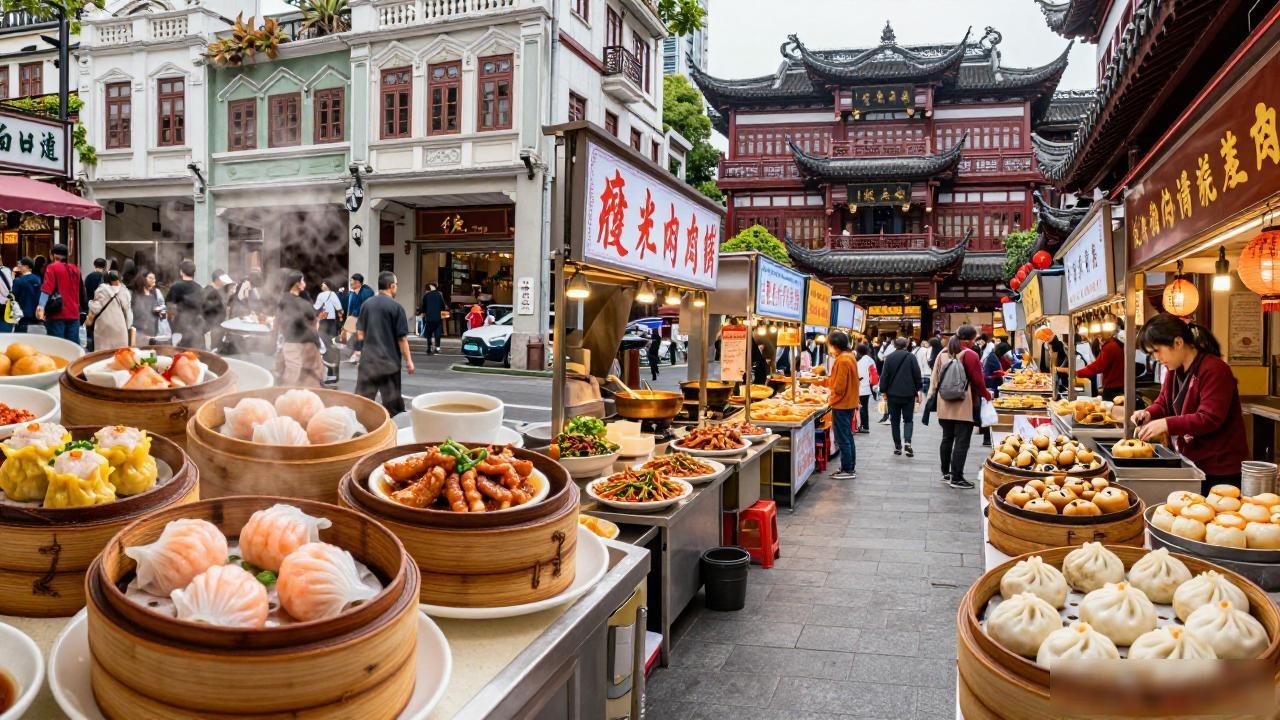
Guangzhou’s dim sum streets and Shenzhen’s food parks offer a completely different northern-meets-southern flavor profile worth exploring. Shanghai’s Yuyuan Garden market packs centuries of snack history into a handful of blocks.
The best street food moments are the unplanned ones. Getting lost in a neighborhood, following the smell of cumin and charcoal, and discovering a grandmother making taipei pancakes at 11pm — that is the essence of Chinese street food culture. It rewards the curious and forgiving of those willing to step outside comfort zones.