
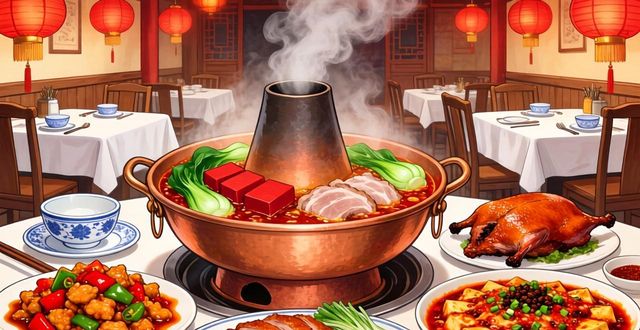
Walking into a Chinese restaurant abroad, you often see the same dishes: sweet and sour pork, General Tso’s chicken, fried spring rolls. These foods are tasty, but they are not what Chinese people actually eat at home. Authentic Chinese food is a different world—more diverse in ingredients, bolder in flavors, and deeply tied to regional traditions. It is not just one cuisine; it is at least eight major culinary styles, each with its own personality. Understanding this difference is the first step to truly experiencing Chinese food culture.
What does authentic Chinese food actually taste like
The flavor profile of real Chinese food goes far beyond the sweet and salty you might expect. In Sichuan province, the dominant tastes are numbing spice from Sichuan peppercorns and heat from dried chilies. A dish like mapo tofu delivers a complex burn that lingers on your tongue. In contrast, Cantonese cuisine prizes freshness and subtlety. Steamed fish with ginger and scallion lets the natural taste of the ingredient shine. Jiangsu cuisine leans toward rich, slightly sweet braised dishes, while Hunan food is straight-up fiery. Every region uses different combinations of soy sauce, vinegar, fermented bean paste, garlic, and ginger to build layers of flavor. If a dish tastes one-dimensional, it is probably not authentic.
How to identify a real Chinese restaurant
A reliable sign is the customer base. If the restaurant is full of Chinese families, students,or workers speaking Mandarin or Cantonese, you are in the right place. Another clue is the menu. Look for dishes like stir-fried bitter melon, pig trotters, blood tofu, or whole fish with head and tail intact. These items rarely appear on Americanized menus. Also, check whether the restaurant offers a separate Chinese-language menu. Many places have two versions—one for local tastes and one for Chinese patrons. The latter will have more organ meats, leafy greens cooked with garlic, and soups made from bones. Do not be afraid to ask for that menu or point to what others are eating.

Which dishes every foreigner should try first
Start with something approachable but real. Mapo tofu is a great entry point—soft tofu in a spicy, oily sauce with minced pork. It is common, cheap, and incredibly satisfying. Next, try a classic stir-fried green vegetable like gai lan (Chinese broccoli) with oyster sauce. It shows how simple ingredients can be transformed. Then move to a dumpling house and order xiaolongbao, soup-filled buns from Shanghai. Bite carefully; the hot broth inside will burn your mouth if you rush. For a communal experience, go for hot pot. You cook raw meats, vegetables, and noodles in a bubbling pot of seasoned broth. It is interactive, social, and lets you control the spice level. Do not skip noodles. Hand-pulled noodles in beef broth, known as lamian, are a staple across northern China.
The best way to order like a local
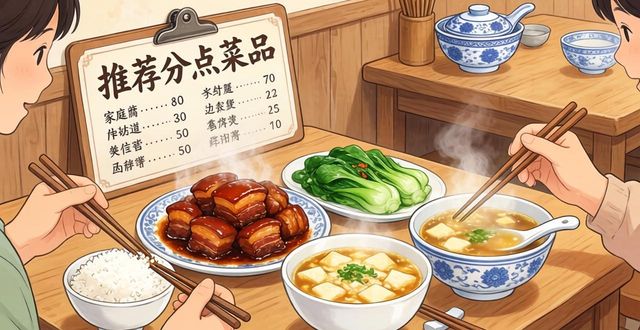
When you sit down, skip the combination platters. Order dishes individually and share them family-style. A typical meal for two includes one meat dish, one vegetable dish, one tofu or egg dish, and a bowl of soup or rice. Do not order rice for everyone—just one bowl per person to share. In many regions, rice is a side, not the star. Also, learn to use chopsticks properly. Rest them on the chopstick rest, never stick them upright in your rice bowl—that resembles funeral offerings. If you want to show respect, pour tea for others before filling your own cup. And always finish the rice in your bowl; leaving food is considered wasteful.
Authentic Chinese food rewards curiosity and courage. It asks you to try unfamiliar textures, tolerate a little heat, and trust the cook. Once you break through the wall of takeout menus, a vast and delicious world opens up. So next time you see a crowded noodle shop with steam fogging the windows, walk in, sit down, and point at what the person next to you is eating. That is where the real flavor lives.