
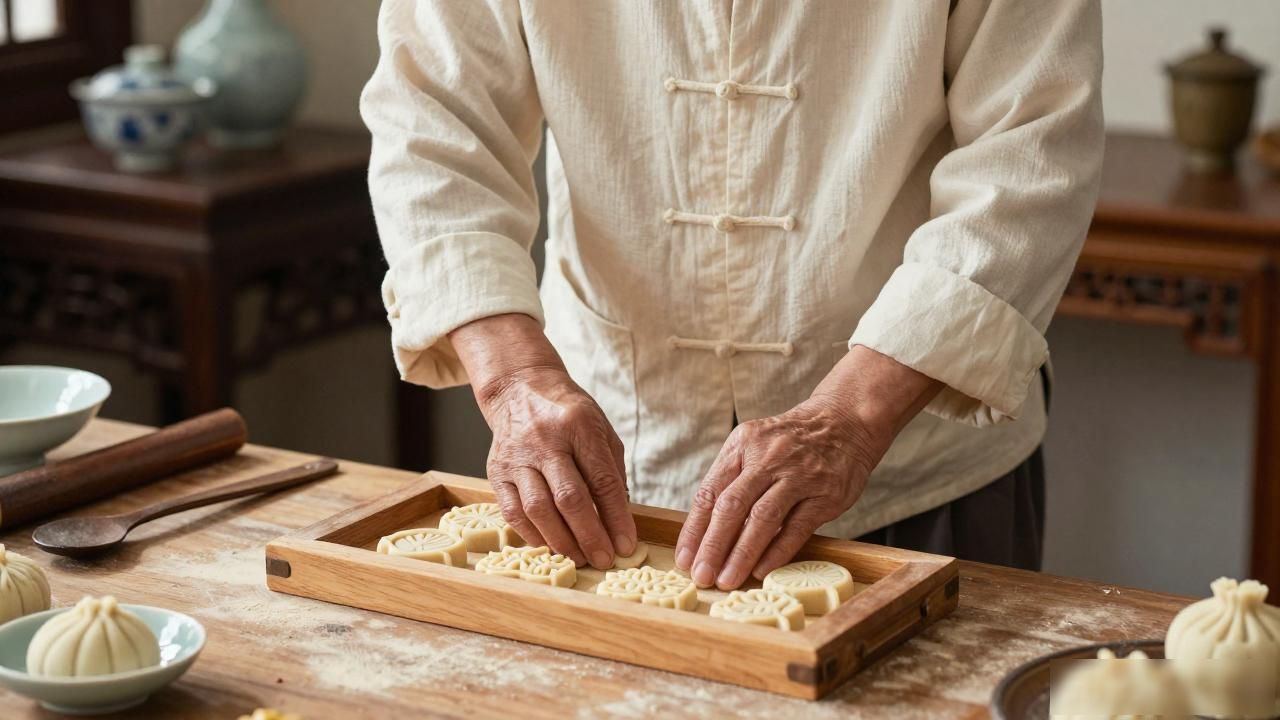
Having spent the better part of fifteen years exploring this city’s food scene, I can tell you that Beijing offers far more than the usual suspects most travelers flock toward. The capital has a layered culinary identity that reveals itself slowly to those willing to look beyond the guidebooks and venture into its labyrinthine hutong alleys.
The Imperial Connection
Beijing’s most distinctive foods carry centuries of history, often tracing back to the imperial court of the Ming and Qing dynasties. Dishes like jiaoquan — crispy fried rings coated in maltose — were originally created as palace snacks for emperors who demanded the finest textures and presentations. You won’t find many of these royal recipes in upscale restaurants today, but they survive in small family-run workshops where old techniques are passed down through generations.

I once visited a ninth-generation practitioner in the Dongcheng district who still makes these treats using a wooden mold carved three hundred years ago. His hands move with an economy that only decades of practice can produce. What strikes visitors most is that the flavors are restrained and refined — not the heavy, aggressive seasoning many expect from Chinese cuisine. The imperial palate valued subtlety, balance,and visual elegance above all else.
Street Food Treasures
The real soul of Beijing’s unique food culture lives on its streets, in neighborhoods where the air itself smells of cumin, chili oil, and fermenting dough. Langfang Street might look unremarkable from the outside, but step inside and you’ll find vendors selling things you simply cannot get anywhere else in China.
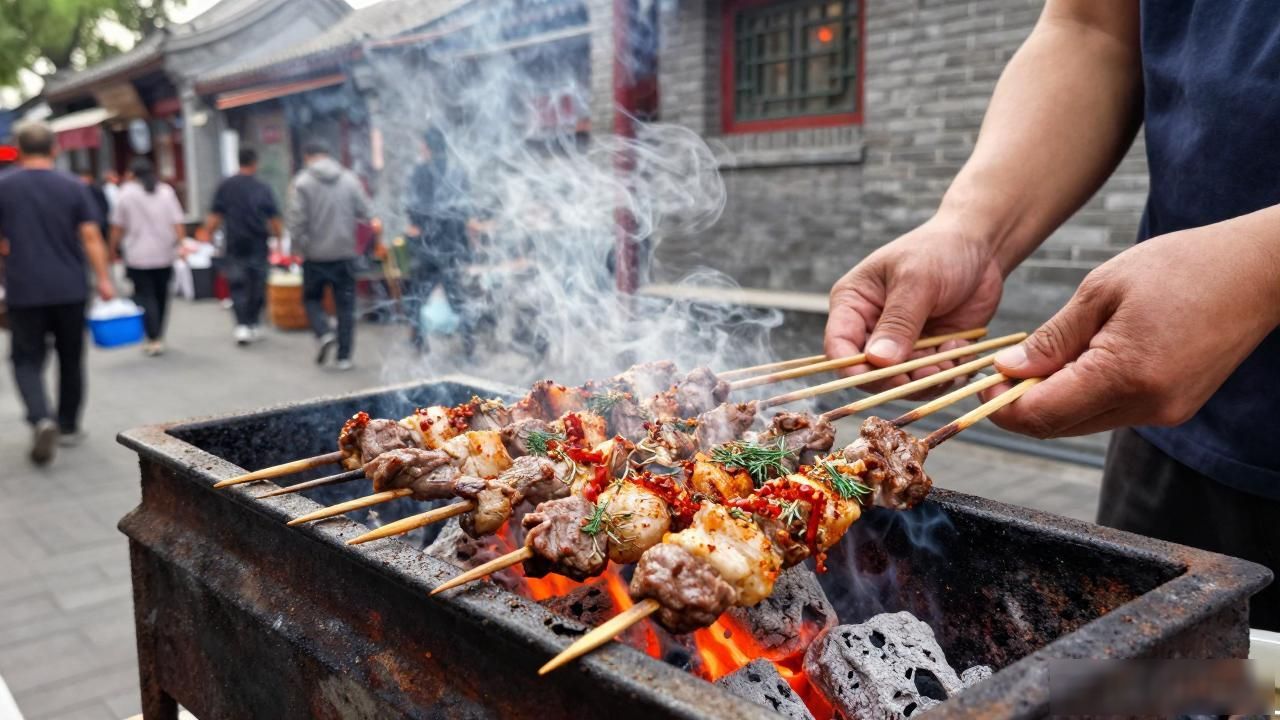
Yangrou chuan — skewered lamb grilled over charcoal — gets a particularly Beijing treatment here, with spices sourced from markets I never bothered to explore. The meat comes from herds grazing in the Inner Mongolian grasslands, and the grilling technique involves turning the skewers constantly so the fat bastes the meat without burning it. This single dish alone could occupy a serious food researcher for months.
Equally compelling are the small shops serving zhajiangmian, a noodle dish topped with a thick, dark sauce made from fermented soybean paste. The preparation varies dramatically from one kitchen to the next, and locals will argue passionately about which version reigns supreme. A good bowl requires patience — the sauce must be fried slowly until the raw bean flavor disappears, leaving behind something rich and umami-heavy that coats every strand of hand-pulled noodle perfectly.
Where to Find It
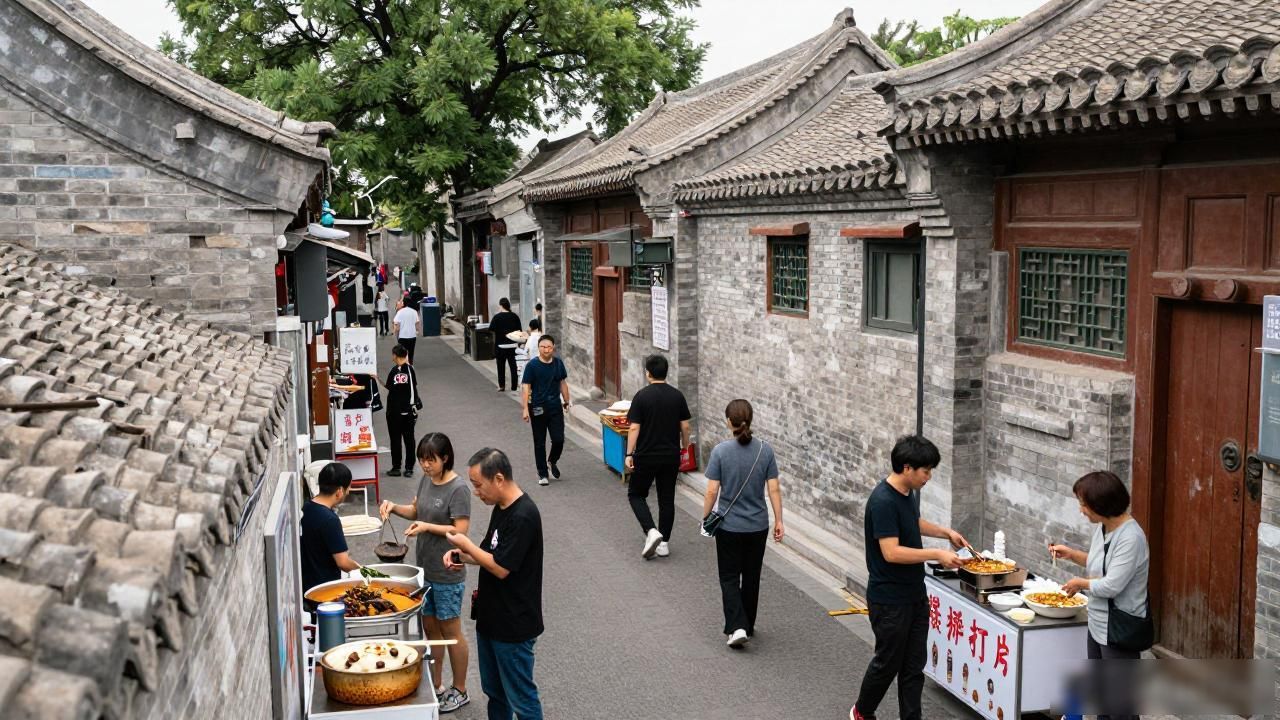
Most Western visitors never make it past the major tourist restaurants, so they miss the authentic experiences entirely. My recommendation is to wander randomly through the older residential districts, particularly around the Drum Tower and Yonghe Temple areas. The best food in Beijing tends to hide in plain sight — small signs, cramped interiors, and no English menus.
I have a particular fondness for a tiny establishment near Jishuitan that has been run by the same family for four decades. The owner never learned English, and I never learned enough Mandarin to hold a proper conversation, but we developed a communication system built entirely around pointing, nodding, and shared appreciation of good food. That interaction meant more to me than any five-star dining experience ever could.
Beijing’s unique food landscape rewards curiosity and willingness to step outside comfort zones. The dishes that define this city are not glamorous or Instagram-friendly — they are honest, labor-intensive, and deeply rooted in local tradition. Every meal carried forward by a family that has refused to compromise on technique is a small act of cultural preservation.