
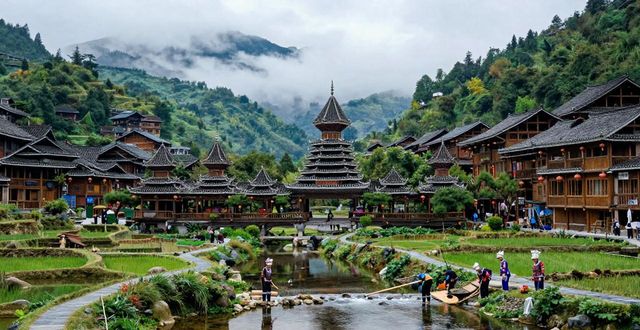
When you step into the timeless Dong villages of southern China, you’re not just visiting rural settlements—you’re stepping into a living cultural tapestry shaped by nearly a thousand years of uninterrupted community tradition. Nestled primarily in the lush mountain crosses of Guizhou, Guangxi, and Hunan provinces, these villages belong to the Tung-speaking Dong ethnic group, whose carefully preserved customs, architecture, and communal life stand as a vivid counterpoint to China’s fast-developing urban landscape. Many first-time travelers leave their visits surprised that modern technology coexists so harmoniously with century-old living patterns here,creating a travel experience far different from standard package tours across popular Chinese gateways.
How Were Dong Villages Formed
Most Dong villages first took shape along the border river valleys that saw ancient trade routes connecting central China with Southeast Asia more than 800 years ago, as members of the agrarian Dong people migrated east to escape social unrest and fertile land shortages in the southwest. Over generations, residents built their settlements centered around access to fresh spring water and rice paddies, placing shared public structures at each village core and fanning out family wooden stilt homes along low, sunlit hillsides to preserve as much farmable flat land as possible for cultivating glutinous rice.

What began as scattered temporary farming outposts gradually evolved into self-sustaining collective communities where almost every family contributed skilled labor to shared public projects. Dong village founders followed age-old feng shui adapted to local geographic realities, positioning every new settlement with its southern edge open to flowing water and northern bank edged by ancient protective fir forests that logging bans have kept intact continuously up to the present day.
Core Architecture of Dong Villages
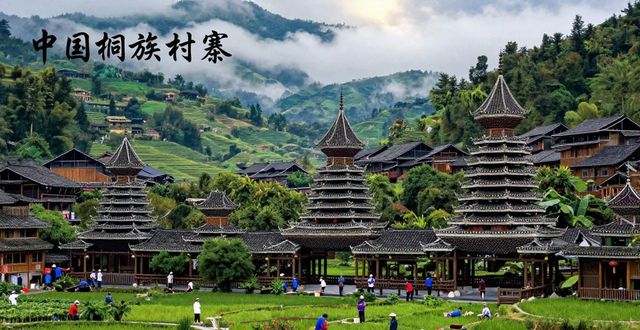
The most recognizable and iconic landmark of any authentic Dong village is the soaring wind and rain bridge: a fully covered multi-tiered wooden structure built without a single metal nail, curving over shallow creeks and rivers to offer sheltered public passage, shade from summer sun, and space for daily community gatherings. Surrounding the bridge stands a complex of drum towers, whose tapering wooden layered roofing rises 20 to 30 meters above the village, serving as official meeting halls where elders resolve community disputes during periodic public assemblies.
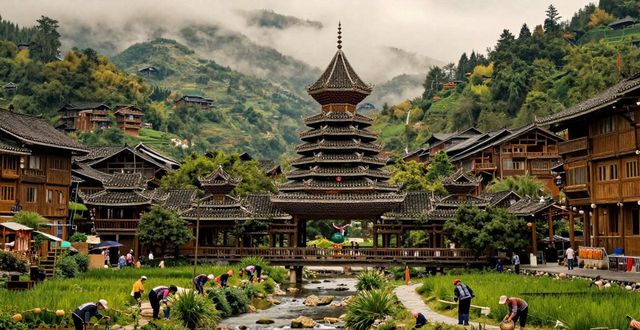
Nearly all family homes in Dong villages are the characteristic elevated wooden stilt houses that rise two to three stories high on weathered cedar pillars, positioned to avoid seasonal river flood waters and keep living quarters safe from the damp subtropical mountain soil. Ground floor space under the stilts traditionally houses raised livestock farmers such as water buffalo and free-range chickens, while upper story wooden balconies hold racks of drying colored glutinous rice and red chili peppers that add the vibrant streaks of color so common in every village sightseeing photograph visitors take.
Local Customs and Daily Life
Communal song and polyphonic Dong Grand Choir singing sessions form the emotional backbone of village everyday life, as multi-generational groups gather in the drum tower twice weekly after harvesting work is finished, singing oral histories that have been passed down strictly through non-written tradition more than 5 generations with literally zero formally notated sheet music available to guide new performers. Weaving backstrap looms producing bright handwoven indigo cotton that has been plant-dyed using seasonal fermented indigo leaves still provides much of the daily clothing fabric local villagers wear throughout normal farming activities.
Every spring the village marks the colorful Kam Big Log Festival, community members working together to drag a carefully cut ancient fir log from the upper protective communal mountain forest down the village winding paths, hosting continuous multi-family feasts, improvised dancing, and traditional Lusheng bamboo panpipe playing that neighbors from across nearby 5 or 6 villages all travel many kilometers to attend and participate in. Cooking traditional sour fish and sour rib dishes fermented in clay jars for more than 6 months makes everyday Dong local dining have sharp distinct delicious flavors unlike standard Chinese cuisine Western travelers sample in tier-one coastal Chinese restaurants at all, making dining meals here an unforgettable highlight.
Traveling to Dong Villages Today
The majority of all authentic, relatively untouched Dong villages remain intentionally lightly developed, requiring visitors to travel forty five minutes from county level small modern cities along winding well-paved rural mountain roads. Many villages such as those at famous Zhaoxing now operate dedicated small family homestays run by local families directly, offering guests the absolute unforgettable experience of waking at sunrise to walk the fog-edged rice paddies alongside resident elder farmers out checking the flow depth of their irrigation systems as water herons patiently drift overhead above.
Travel rules for most village sites ask visitors just follow subtle basic local respect protocols – for example we respectfully avoid sitting cross legged and placing our travelling shoes straight on the central formal wooden drum tower central public space meeting platform, asking explicit warm permission before taking close photos of working weaving residents at work at looms. Entry stays incredibly affordable by chinese tourism industry standards, daily budgets often falling below USD40 total getting a comfortable private room plus three incredible local home cooked Dong meals and all unlimited friendly conversation with local participating villagers themselves during your travels. After learning these unique details about these southern mountain settlements, what unexpected part of Dong China village life would you personally be most eager to witness on your next rural China exploration journey?