
Stepping into a Chinese restaurant for the first time can feel like navigating a whole new culinary universe. You scroll through endless dishes with names you’ve never heard, trying to figure out what’s safe, what’s delicious, and what will earn you nods of approval from your dining companions. The good news is that Chinese cuisine isn’t nearly as intimidating as it appears at first glance. The most popular Chinese dishes are approachable, flavorful, and deeply rooted in centuries of tradition. Whether you’re wandering through a bustling street market in Chengdu or sitting down for dinner in Manhattan’s Chinatown, certain iconic dishes appear on menus everywhere. This guide will help you understand what makes these foods so beloved and how to navigate your way to a satisfying meal.
What Are the Most Popular Chinese Dishes?
If you had to pick just five dishes to represent Chinese cuisine on a global stage, Peking duck would almost certainly make the list. This dish hails from Beijing and involves roasting a duck until the skin turns into a delicate, shattering crisp layer. Thin pancakes wrap around slices of the duck along with scallions and sweet bean sauce. The result is a balance of textures and flavors that has kept this dish famous since the imperial courts of the Yuan Dynasty. Beijing Restaurant remains one of the best places to experience it in its birthplace.

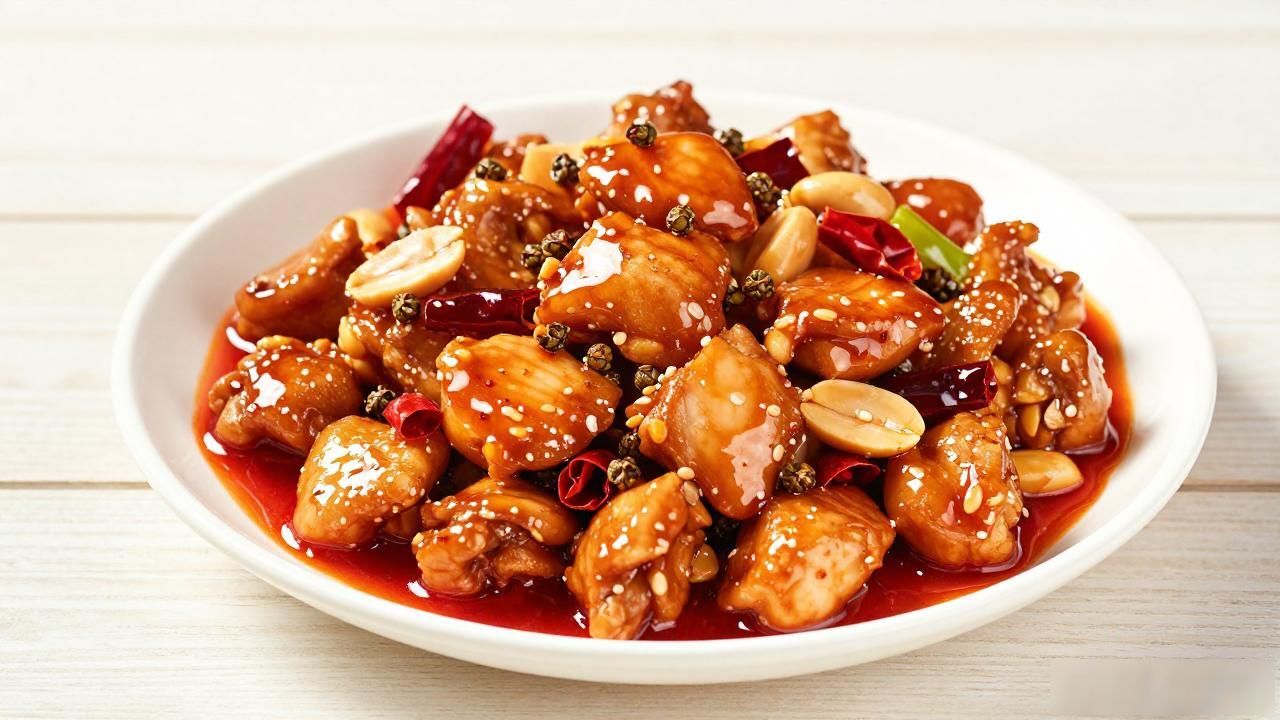
Kung Pao chicken deserves its spot as another globally recognized favorite. Originating from Sichuan province, this stir-fry combines tender chunks of chicken with roasted peanuts, dried chili peppers, and Sichuan peppercorns. The distinctive numbing sensation that Sichuan peppercorns create—known as ma la—is what sets this dish apart from typical Westernized chicken stir-fries. When ordered authentically, expect a kick that lingers pleasantly on your tongue rather than a harsh burn.
Sichuan mapo tofu rounds out the heavy hitters. This relatively simple dish features soft tofu cubes cooked in a spicy, aromatic sauce made from doubanjiang (fermented broad bean paste) and ground pork. The tofu absorbs the deeply savory sauce while maintaining its silky texture. It sounds basic, but the layers of flavor building from the fermented beans, chili oil, and Sichuan pepper create an unforgettable experience that has made it a staple across all regions of China.
Dim sum represents an entirely different dimension of Chinese food culture. This tradition of small bite-sized portions originally came from tea houses along the Silk Road trade routes. Today, dim sum restaurants buzz with carts rolling past tables stacked with steamer baskets. Har gow—translucent shrimp dumplings—siu mai—pork and shrimp filled parcels—and egg tarts form the must-try essentials. Each piece is crafted with precision, and sampling a wide variety tells you more about a region than any single dish ever could.
Where Should You Try These Dishes?
Regional differences shape every aspect of Chinese cooking, so where you eat matters enormously. A plate of kung pao chicken in Guangzhou will taste completely different from one in Chengdu. Southern Chinese cuisine tends toward lighter,sweeter flavors that highlight the natural taste of ingredients. Cantonese cooking especially prizes freshness and subtlety, which is why dim sum thrives in Guangdong province and among Cantonese communities worldwide.
Northern China delivers heartier, saltier, and wheat-based dishes. Dumplings here aren’t the delicate silk-pouched variety found in the south—they are substantial, folded parcels of minced meat and vegetables wrapped in chewy dough. Lanzhou hand-pulled noodles deserve mention here too. Watch a chef stretch and pull the dough with theatrical skill before it drops into boiling water, then swim in a clear, deeply savory broth loaded with beef and fragrant herbs.
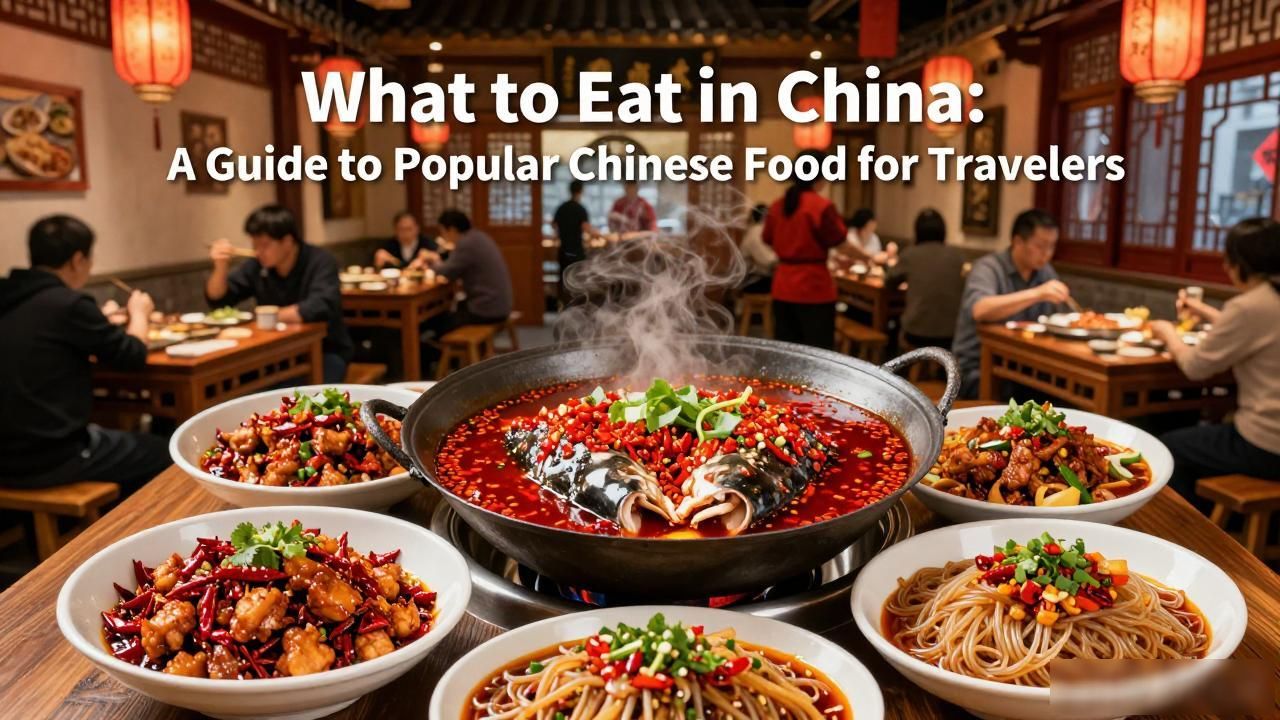
Sichuan and Hunan provinces dominate the spice conversation. If you enjoy heat, these regions offer experiences that go far beyond what most international Chinese restaurants can replicate. The question isn’t whether the food will be spicy—it’s how spicy and in what way. Sichuan heat carries that signature numbing quality, while Hunan cuisine delivers a drier, more straightforward fiery punch that stays with you longer.
Street food culture runs parallel to restaurant dining and often provides the most memorable encounters. Night markets across Chinese cities pulse with energy as vendors grill skewers, deep-fry dough twists, and serve bowls of hot and sour noodles. Trying local street food gives you direct access to everyday Chinese tastes that formal restaurants sometimes sanitize for broader audiences. Look for stalls with long queues of locals—that line is the ultimate quality guarantee.