
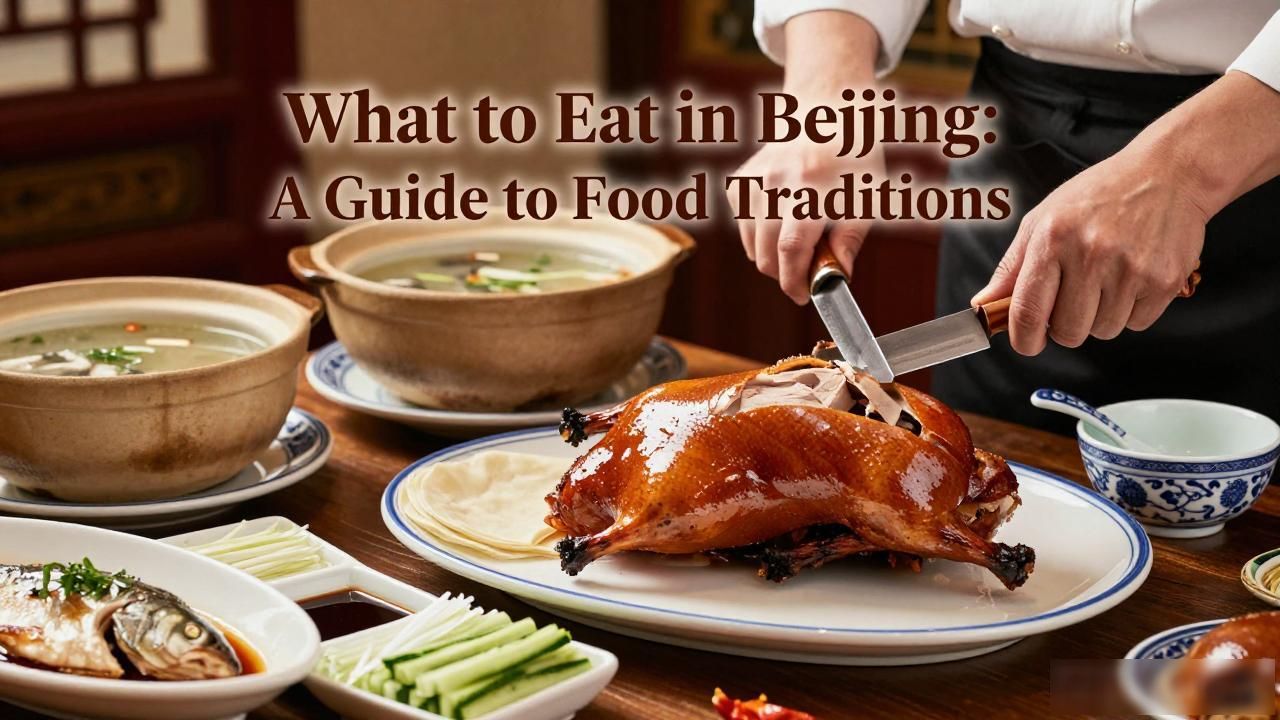
Beijing’s culinary landscape is a living museum of imperial history and northern Chinese heritage. It is not merely about sustenance; it is a ritual of flavor,texture, and social bonding that has evolved over centuries. For visitors, understanding these traditions unlocks the true soul of the city, moving beyond tourist traps into the heart of local life. The food here reflects the grandeur of the Forbidden City and the bustling energy of its hutongs.

Why is Peking Duck Essential?
The iconic Peking duck stands as the crown jewel of Beijing cuisine, a dish with roots tracing back to the Ming Dynasty. It requires meticulous preparation, involving air-pumping, glazing, and roasting in either a closed or open furnace. The result is skin so crisp it shatters upon contact, contrasting with tender, juicy meat. Locals believe that eating it correctly is part of the ritual. You must fold the thin pancakes with scallions and sweet bean sauce, wrapping each piece carefully. This method ensures every bite delivers the perfect balance of fat and freshness. Many families still reserve this dish for special celebrations, treating it as a symbol of prosperity and respect. The process is slow, demanding patience from both chef and diner, which mirrors the traditional Chinese value of savoring life’s moments.
What Street Foods Define Local Life?
Beyond high-end restaurants, Beijing’s streets offer a different kind of tradition rooted in everyday resilience and joy. Zhajiangmian, or soybean paste noodles, is a staple that connects generations. The thick, savory sauce made from fermented beans provides a deep umami kick that complements the chewy noodles. It is often eaten in summer, reflecting the practical wisdom of adapting diet to weather. Then there is tanghulu, candied hawthorn on sticks, which offers a sharp contrast of sweet and sour. This treat is ubiquitous in winter, its bright red color standing out against the grey snow. Eating street food is an act of community. People gather in courtyards, sharing simple dishes while discussing daily affairs. These foods are not just snacks; they are anchors of memory, linking the present to a past where resources were shared and flavors were cherished.
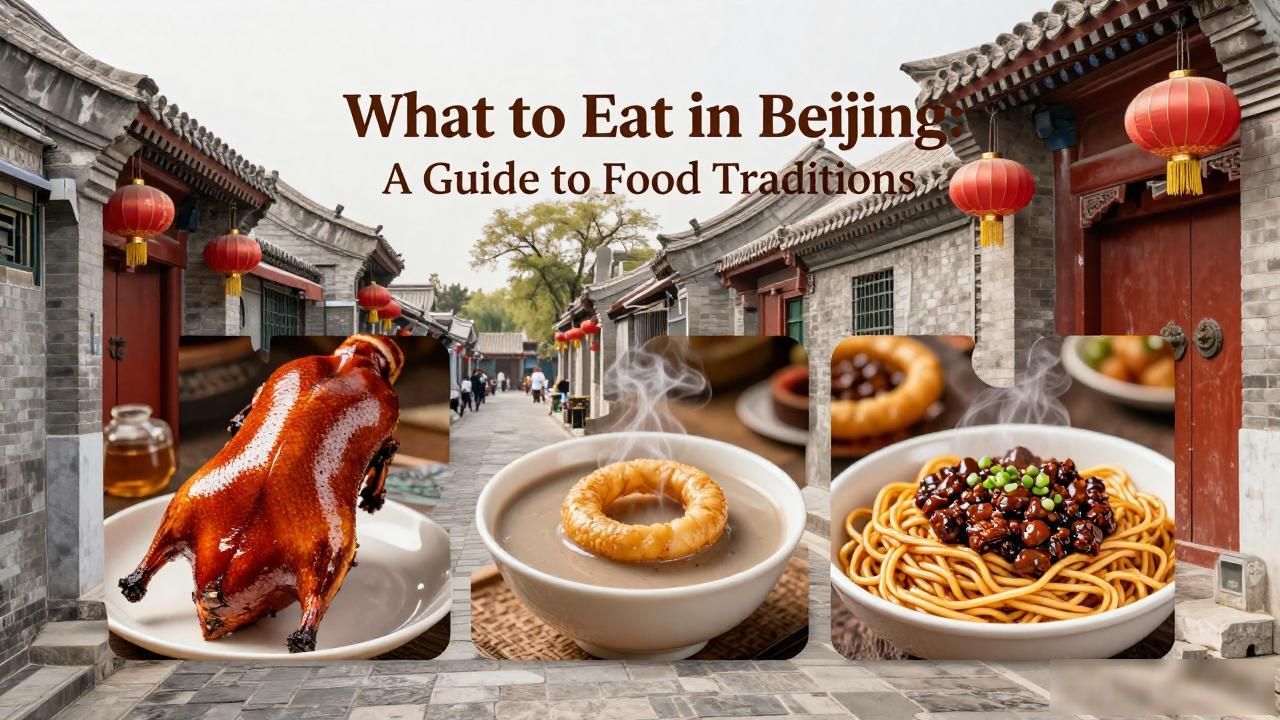
The essence of Beijing food lies in this duality—the majestic and the mundane. Both require time and care. Whether dining in a historic courtyard or standing at a corner stall, the experience remains deeply connected to history. To eat in Beijing is to participate in a long-standing conversation between the past and present.