
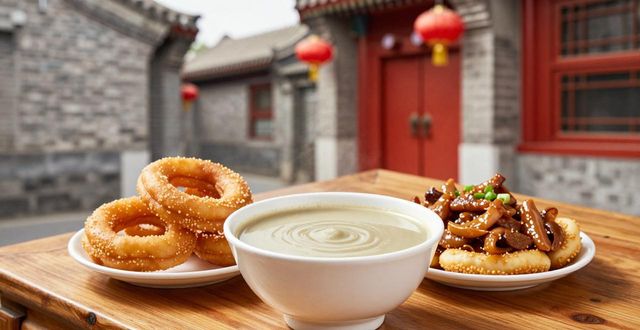
When people think of Beijing, Peking duck often comes to mind first. But the city’s real food culture goes far beyond that famous roast duck. From royal court snacks to humble alleyway staples, Beijing offers a range of unique and sometimes shocking eats that most tourists never dare to try. In this guide, I’ll walk you through the most authentic, weird, and wonderful dishes you can only find in the capital. Whether you’re an adventurous eater or just curious about local life, these foods will give you a real taste of Beijing’s soul.
What is the smelliest food in Beijing
Let’s start with the king of stink: fermented bean curd, or “stinky tofu” as locals call it. Unlike the deep-fried version popular in southern China, Beijing’s style is creamy, grayish, and spread on crispy youtiao (fried dough sticks) or steamed buns. The smell hits you from ten meters away – think aged cheese mixed with wet earth. But the taste? Surprisingly mild, nutty, and slightly salty. Many foreigners run away before taking a bite, but those who stay are often hooked. You can find it at breakfast stalls in hutongs, especially around Dongsi. Start with a tiny piece mixed into porridge. Your nose will scream, but your mouth will thank you.
Where to find royal court snacks in Beijing
Hidden inside the Forbidden City’s shadow are snacks once made exclusively for emperors. The most unique is “pea flour cake” (wan dou huang), a bright yellow, jelly-like sweet made from split peas, sugar, and osmanthus flowers. It looks simple but requires hours of stirring and straining. Another imperial treat is “love letter cake” (qing guo), a thin, chewy pancake rolled with sweet red bean paste. These are not sold in tourist restaurants. Go to Huguosi Snacks or the old Nan Laishun on Xisi North Street. Be prepared to queue with elderly locals who have eaten these since childhood. The flavors are gentle, not too sweet – very different from Western desserts. Try them with a cup of jasmine tea for the full experience.
Why do Beijingers eat soybean paste noodles
Zhajiangmian, or fried sauce noodles, might look like a simple bowl of noodles with brown paste. But that paste is the star – a thick, savory mixture of fermented soybean paste, minced pork, and diced bamboo shoots, simmered for hours until it turns dark and aromatic. What makes it unique? Each family has a secret ratio of yellow soybean paste to sweet bean paste. Some add shiitake mushrooms, others add scrambled eggs. You’ll get shredded cucumber,radish, and bean sprouts on top. Mix everything vigorously – the sound of noodles slapping against the bowl is part of the ritual. For the real deal, avoid chains. Try Fang Zhuan Chang in a hutong off Andingmen. They still hand-pull their noodles and age their sauce for three months.
How to eat Beijing’s weirdest hot pot toppings

Beijing hot pot is not about spicy Sichuan broth. It’s about the leftover “temple fair” style where you cook almost anything. The most unique ingredient is “lamb’s tail fat” – thin slices of pure white fat that melt into a buttery, gamey liquid. Then there’s “duck blood jelly” (ya xue), sold in dark red blocks that become silky and slightly metallic after boiling. And don’t skip “crispy fried bean curd skin” that soaks up broth like a sponge. These ingredients are common at old hot pot joints like Liubiju or Ding Ding Xiang. Here’s a local trick: boil the fat slices for only ten seconds, dip them in sesame sauce mixed with garlic and cilantro, then eat immediately. The texture is like a savory marshmallow. It sounds scary, but it’s a winter favorite for a reason.
My question for you: Which of these unique Beijing foods would you dare to try first, and what’s the strangest thing you’ve ever eaten while traveling? Share your story in the comments – and if you found this guide helpful, hit like and save it for your next Beijing trip.