
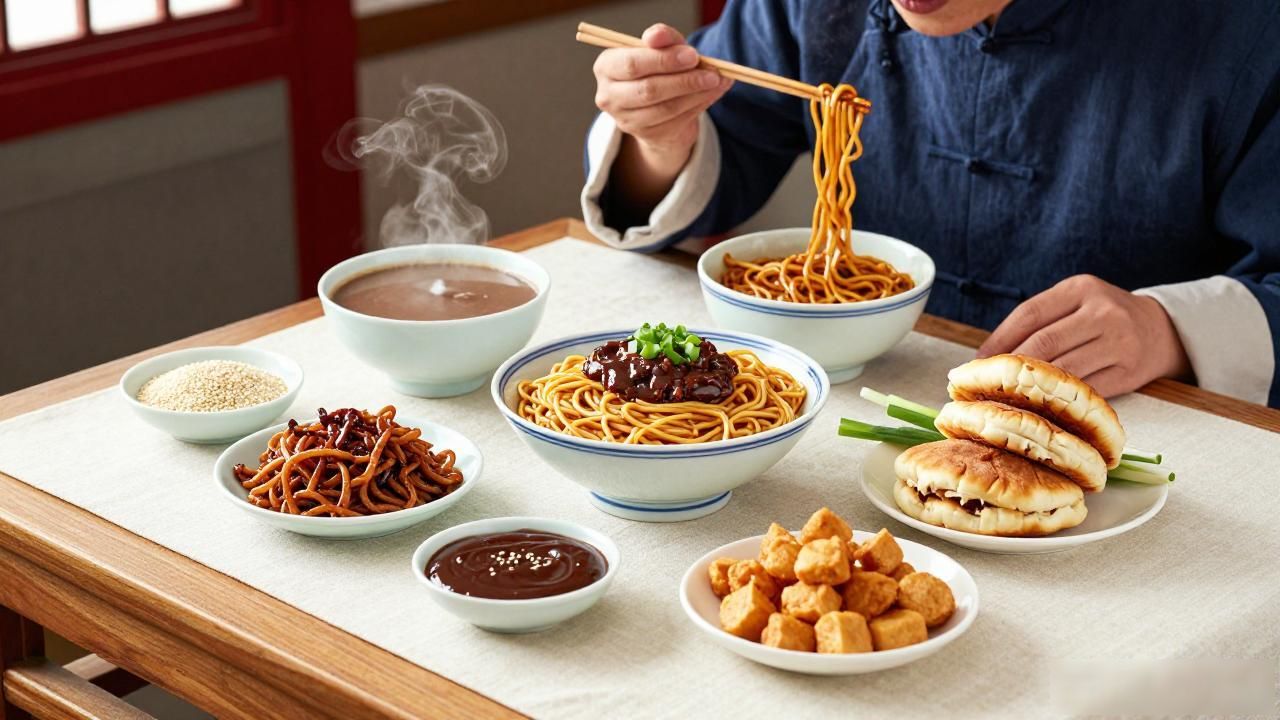
Beijing cuisine,known as Jingcai in Chinese, carries centuries of culinary tradition shaped by imperial kitchens and local markets. It’s a food culture that balances bold flavors with precise techniques, rooted in northern China’s climate and history.
For visitors, understanding what makes Beijing cuisine unique helps navigate its offerings with confidence. The dishes here reflect the capital’s status as China’s political center, where court chefs refined recipes for emperors while street vendors crafted hearty meals for everyday workers.
What Makes Beijing Cuisine Unique
Peking duck stands as the most famous export of Beijing cuisine, yet it represents only one facet of a much broader culinary landscape. The city’s location in northern China means wheat-based foods like noodles and buns play a larger role than in southern regions where rice dominates.

The use of sesame, scallion, and fermented bean pastes creates a distinctive flavor profile that sets Beijing dishes apart from other regional Chinese cuisines. These ingredients appear repeatedly across different preparations, forming a recognizable taste signature.
Imperial influence shaped many dishes served in upscale restaurants today. Recipes developed for Qing dynasty emperors emphasized presentation and refined techniques, transforming simple ingredients into elaborate meals fit for the throne.
Street food culture thrives alongside high-end dining. From jianbing crepes sold on morning corners to tanghulu candied haws on winter nights, the best Beijing experiences often come from casual neighborhood spots rather than famous establishments.
Must-Try Dishes Beyond Peking Duck
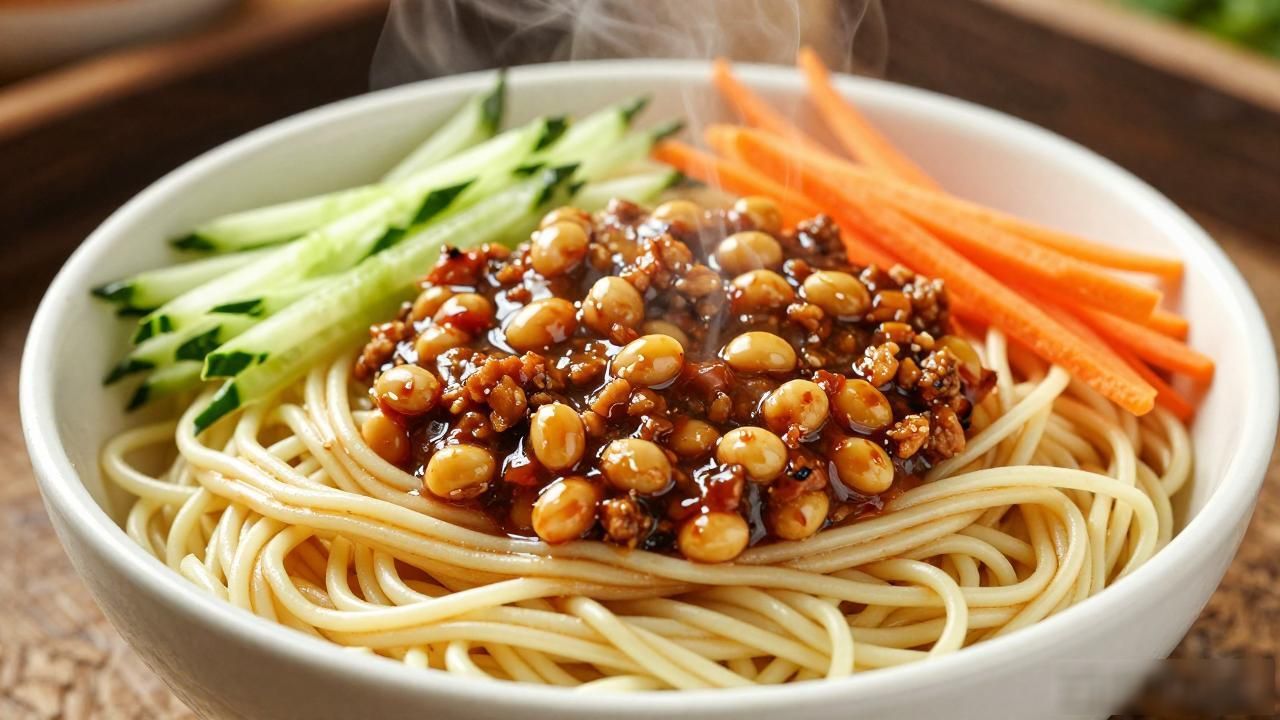
Zhajiangmian, or fried sauce noodles, is a humble yet deeply satisfying dish that locals eat regularly. Thick wheat noodles topped with a savory paste made from fermented soybeans and ground pork deliver comfort food at its finest.
Dan dan noodles, though originally from Sichuan, have been adapted into Beijing style with a peanut sauce base instead of chili oil, creating a creamier, milder version loved by many visitors.
Lamb hot pot brings people together during Beijing’s long, cold winters. Thinly sliced lamb cooks quickly in a bubbling broth, and dipping sauces made from sesame paste, vinegar, and chilies complete the experience.
Sweet and sour carp, braised pork belly, and mapo tofu may not originate from Beijing but have found devoted followings here, showing how the city absorbs and reinterprets flavors from across China.
Where to Find the Best Beijing Cuisine
Qianmen Street offers a historic dining corridor where traditional restaurants serve classic dishes in restored courtyard settings. The area buzzes with energy, especially during evening hours when lanterns glow overhead.
Houhai and Nanluoguxiang neighborhoods blend tourist appeal with genuine local eateries. Walking through these narrow alleys reveals small establishments that have served families for generations.
The Wangfujing Snack Street attracts visitors seeking variety, though quality varies. Exploring beyond the main drag leads to more authentic options where locals actually eat.
Reservations at well-known Beijing cuisine restaurants often require planning ahead, particularly for weekend dining. Popular spots fill quickly, and arriving early or booking in advance ensures a smoother experience for travelers hoping to sample the city’s best offerings.